
Lieferung heute & morgen

Qualitätsgarantie

Willkommens-Angebote freischalten: KOSTENLOSE Lieferung | Bis zu 80 % RABATT | Kostenlose 30-Tage-JoyPlus-Testphase
App herunterladen
The demands of floor cleaning in modern households are high: various floor types, stubborn dirt from pets, and the desire for more free time call for an efficient solution. A robot vacuum with a mopping function and an auto-empty station promises largely autonomous cleaning by not only vacuuming and mopping but also emptying, cleaning, and maintaining itself.
This article provides a guide to the crucial performance features of current models. We present a selection of devices that stand out for their specific technical characteristics and explain what you should look for when choosing, to help you make an informed decision for your household.
Technological advancements are moving quickly. To find the right device, it's helpful to understand how the core components work.
A modern robot vacuum and mop with a cleaning station can do much more than just empty the robot's dustbin. The station has become the central maintenance hub. Look for the following functions:
For households with carpets or pets, high suction power, measured in Pascals (Pa), is a key indicator. Values over 10,000 Pa suggest strong performance capable of removing deep-seated dirt and pet hair from carpet fibres. The brush design is equally crucial. Models with tangle-free rubber brushes or special combs are a great choice for picking up long hair, as they minimise maintenance.
An autonomous robot vacuum navigates using laser (LiDAR) or camera systems. LiDAR allows for fast and precise mapping of rooms, even in the dark. For a completely clean space, the ability for robot vacuum edge cleaning is critical. Some premium models feature extendable side brushes or mops that specifically reach baseboards and corners—areas often inaccessible to standard round robots.
Based on the criteria mentioned, we have compiled a selection of models that stand out for their technical specifications and innovative features.
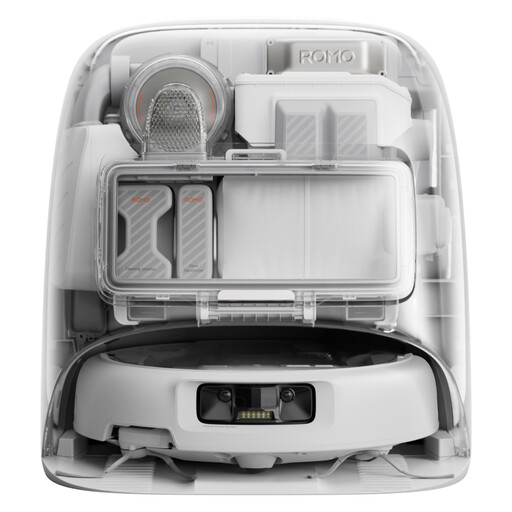
Why this model stands out: The DJI ROMO P combines exceptionally high suction power with a unique mechanical system for edge cleaning. Its dual robotic arms extend to clean corners and edges completely. The sensor technology, derived from the manufacturer's drone technology, promises highly precise obstacle detection.
Advantages:
Who is this model for? This device is aimed at tech enthusiasts and discerning users who seek maximum cleaning coverage without compromising on edge cleaning and who value an innovative design.
View details for the DJI ROMO P
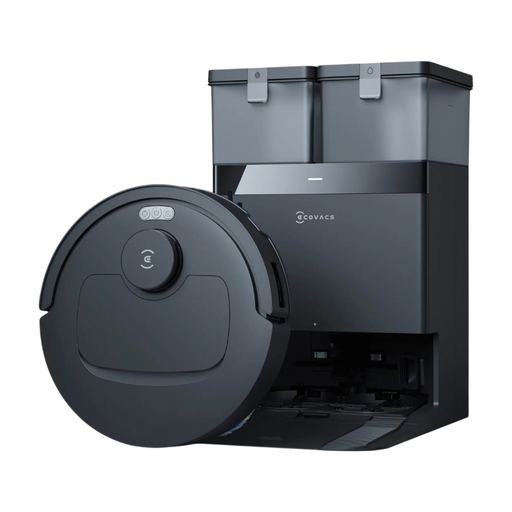
Why this model stands out: The Ecovacs Deebot T30C OMNI Gen2 offers a comprehensive automation package. The OMNI station cleans the mops with 75°C hot water and then dries them. Combined with its high suction power and intelligent edge cleaning, it represents an all-in-one solution for mixed flooring.
Advantages:
Who is this model for? Ideal for users who prioritise hygiene and minimal maintenance. The hot water mop cleaning and anti-tangle technology make it particularly attractive for families and pet owners.
View details for the ECOVACS Deebot T30C OMNI Gen2
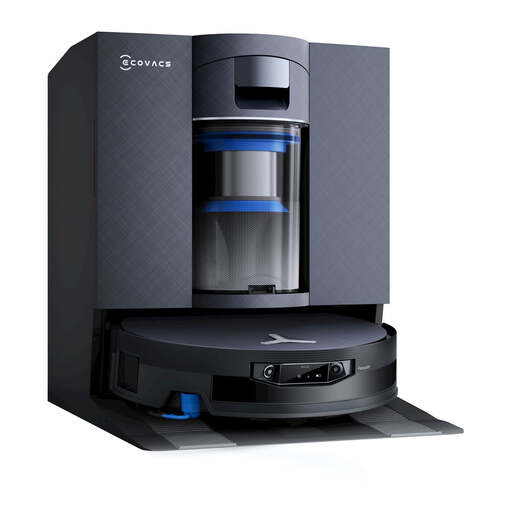
Why this model stands out: The DEEBOT X12 relies on advanced AI-powered navigation and a self-cleaning roller mop system. The AIVI 3D 4.0 technology enables highly accurate object recognition, while the OZMO ROLLER 3.0 system ensures a continuously clean mopping roller.
Advantages:
Who is this model for? Suitable for users in complex living spaces with lots of furniture and potential obstacles. The advanced AI navigation and roller mop system provide reliable cleaning performance with minimal manual intervention.
View details for the ECOVACS DEEBOT X12
Floor cleaning needs can be very specific. For example, if your home is predominantly fitted with delicate hardwood floors, other models with special mopping functions or gentler brushes might be of interest.
? Discover our selection of robot vacuums for hardwood floors
1. What is the advantage of hot water mop cleaning? Cleaning mops with hot water, as found in some Ecovacs Deebot models, can dissolve oily and greasy dirt more effectively than cold water. This leads to a more hygienic mopping result, as the mops are cleaned more thoroughly between cleaning cycles.
2. How well do robot vacuums work on pet hair? Modern robot vacuums are well-equipped to handle pet hair. The key factors are high suction power (over 10,000 Pa) and a brush design that minimises hair tangling (e.g., rubber fins instead of bristles). Models marketed as the best robot vacuum for pet hair often combine these two features with a station that reliably suctions hair from the brush.
3. How much maintenance does a robot vacuum with a cleaning station require? A robot vacuum with a mopping function and an auto-empty station significantly reduces maintenance. Instead of emptying the dustbin daily, the dust bag in the station only needs to be changed every few weeks or months. Similarly, the station's fresh and dirty water tanks only need to be refilled or emptied as needed. However, regular cleaning of sensors and brushes remains a necessary, albeit infrequent, manual task.