
Lieferung heute & morgen

Qualitätsgarantie

Willkommens-Angebote freischalten: KOSTENLOSE Lieferung | Bis zu 80 % RABATT | Kostenlose 30-Tage-JoyPlus-Testphase
App herunterladen
The ongoing automation of household chores offers significant time savings and enhanced convenience. A robot vacuum and mop with a cleaning station not only handles vacuuming and mopping but also minimises maintenance by automatically emptying its dustbin, cleaning its mops, and refilling its fresh water tank. For busy individuals, families, or pet owners, this is a game-changer.
This article serves as your guide. It explains the crucial criteria for selecting the right model and presents a curated selection of current devices with their specific features. Our goal is to provide you with a solid basis for making an informed decision, based on objective product information.
Choosing the right device depends on your individual needs and the specifics of your home. The following points will help guide your decision.
The station is the heart of its convenience. Basic models only offer an auto-empty dock that automatically empties the robot's dustbin. All-in-one stations go much further: they perform automatic mop cleaning, often with hot water, then dry the mops with hot air to prevent odours, and automatically refill the robot's water tank. Some stations even dispense cleaning solution. Consider which level of automation will benefit you the most.
Cleaning performance is determined by several factors. Suction power, measured in Pascals (Pa), is especially important for carpets and picking up pet hair. Modern devices offer ratings from 8,000 Pa to over 20,000 Pa. The brush system is equally important. Rubber brushes or special anti-tangle designs are beneficial for reducing maintenance. For mopping systems, there are differences between vibrating pads and rotating mops, with the latter often proving more effective on stubborn stains.
Precise navigation is critical for comprehensive and efficient cleaning. Most high-end models use a combination of Laser Distance Sensors (LiDAR) for rapid mapping and cameras with AI-powered object recognition. These systems enable the self-cleaning robot vacuum to reliably detect and navigate around obstacles like cables, shoes, or toys. This prevents the robot from getting stuck or damaging items.
Here is a selection of models that stand out for their specific technical features and functions.
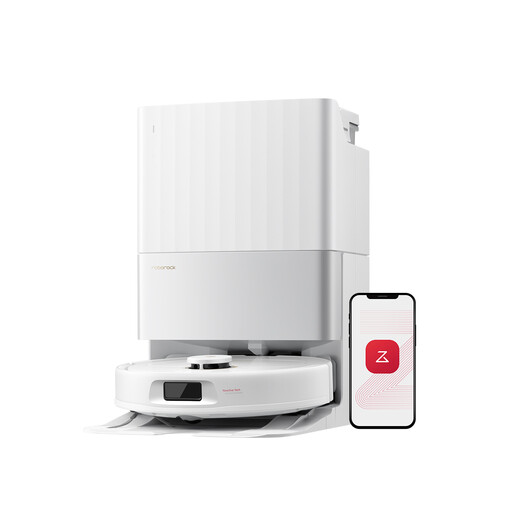
Why this model stands out: The roborock Qrevo S5V combines high suction power with a flexible mopping system. The extendable FlexiArm mops are designed to clean edges and corners more thoroughly. The station handles all maintenance, from mop washing to hot air drying.
Advantages:
Who is this model for? This model is an excellent choice for users who prioritise thorough edge cleaning and seek a balanced combination of powerful suction and mopping in a fully automated system.
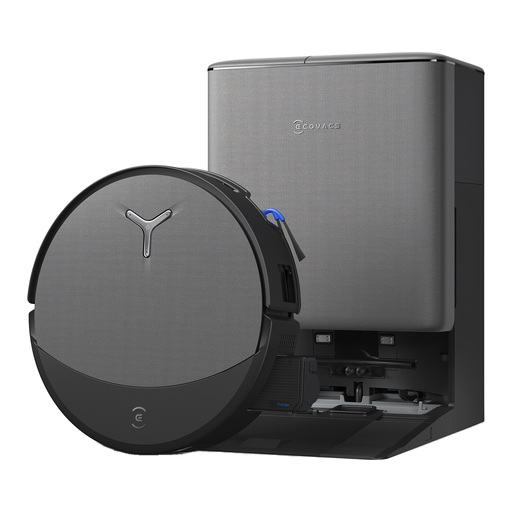
Why this model stands out: With suction power up to 30,000 Pa, the DEEBOT T90 PRO OMNI sets a high standard, making it particularly appealing for homes with deep-pile carpets or heavy debris. The OZMO ROLLER 3.0 mopping system continuously self-cleans during operation to ensure a hygienic clean.
Advantages:
Who is this model for? Ideal for users with demanding floor types like high-pile carpets and households where maximum suction power is essential. Its ability to cross higher thresholds is an added benefit in homes with many transitions.
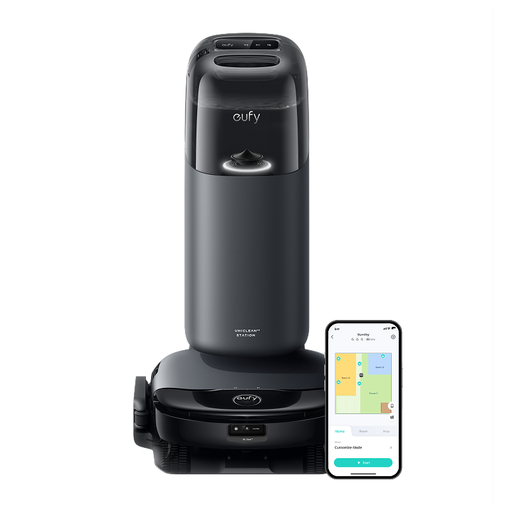
Why this model stands out: The Eufy S1 HydroJet is distinguished by its Always Clean Mop system, which continuously cleans the mop during the cleaning cycle. With 1 kg of downward pressure and precise water control, it's designed to remove even stubborn stains without oversaturating delicate floors like parquet. The square-shaped design aids in thorough corner cleaning.
Advantages:
Who is this model for? This device is particularly suitable for homes with predominantly hard floors, including delicate wood flooring. Users who focus on a consistently clean mopping performance and good corner coverage will find this a fitting solution.
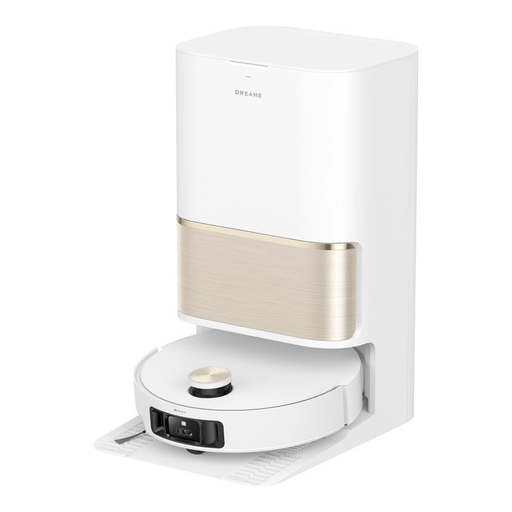
Why this model stands out: The Dreame L50 Pro Ultra offers a suite of intelligent technologies for a comprehensive clean. The VersaLift Navigation lowers the robot's height to 89.5 mm by retracting the sensor, allowing it to get under low furniture. The Dual Flex Arm technology extends both the side brush and the mop to clean deep into corners and along edges.
Advantages:
Who is this model for? Recommended for users with lots of low furniture and a desire for maximum cleaning coverage in corners and along edges. The hot water mop cleaning provides an added layer of hygiene.
The models presented here represent just a snapshot of the available technologies and features. The market for cleaning robots is constantly evolving, offering solutions for a wide range of needs and budgets.
Haven't found the right model for you yet? Discover our entire range of smart cleaning robots and find the device that perfectly matches your requirements.
Maintenance intervals depend heavily on the model and frequency of use. Dust bags in the station typically need to be replaced every 30 to 100 days, depending on their size and the amount of debris collected. The fresh and dirty water tanks should be emptied or refilled every few days to weekly to ensure optimal function and hygiene. Regular cleaning of the station itself, especially the mop washing basin, is also recommended.
Yes, many modern robot vacuum and mops are suitable for sealed wood floors like parquet or laminate. Look for models with precise water flow control to avoid oversaturating the floor. Features like the automatic lifting of mop pads when carpets are detected are also beneficial. It is advisable to use the cleaning solutions recommended by the manufacturer to protect your flooring.
Pascal (Pa) is the physical unit for pressure and is used with vacuum cleaners to describe the strength of the vacuum pressure created, i.e., the suction power. A higher Pa value indicates a stronger ability to pick up dirt, dust, and especially heavy particles like pet hair or sand. This is particularly important when cleaning carpets, where dirt is embedded deeper in the fibres.