
Lieferung heute & morgen

Qualitätsgarantie

Willkommens-Angebote freischalten: KOSTENLOSE Lieferung | Bis zu 80 % RABATT | Kostenlose 30-Tage-JoyPlus-Testphase
App herunterladen
It’s an appealing vision: a single device that not only vacuums but also mops and then cleans itself. A robot vacuum and mop with an auto-empty station promises just that—the ultimate in autonomous floor care. But the market is flooded with marketing promises and technical specs that confuse more than they clarify. In practice, many devices turn out to be high-maintenance, or their cleaning performance quickly degrades.
As your Joybuy Product Recommendation Officer, I'm here to help you separate the wheat from the chaff. Instead of falling for exaggerated marketing slogans, we'll focus on the crucial features that define a truly useful device. In this guide, we'll highlight the most common pitfalls and show you what to look for to make an informed decision.
Before you invest in a premium model, you should be aware of the typical weaknesses that often only become apparent in daily use after the purchase.
To avoid the problems mentioned above, you should pay close attention to the following technical features when choosing a robot vacuum and mop with an auto-empty station.
The robot's ability to navigate your home intelligently and safely is fundamental.
A modern auto-empty station can do much more than just empty the dustbin. Look for these automation features that significantly increase convenience:
Instead of making a one-size-fits-all recommendation, we have identified models tailored to specific needs and household types.
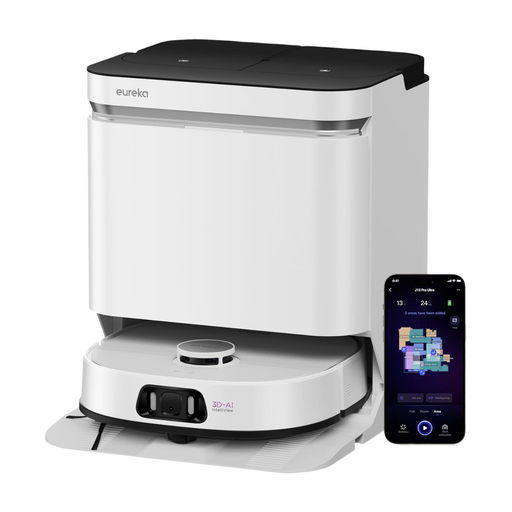
Why This Fits Their Persona: Ideal for demanding users and pet owners who want maximum automation and a solution to tangled hair. The combination of high suction power and specialised anti-hair technology is designed for efficiency.
The FlexiRazor Anti-Hair Tangling Technology actively cuts hair, preventing the typical tangles on the brush roll—a direct counter to the maintenance trap common in robot vacuums for pet hair.
The station washes the mops with 75°C hot water for hygienic cleaning. The Flex-Arm enables thorough edge cleaning.
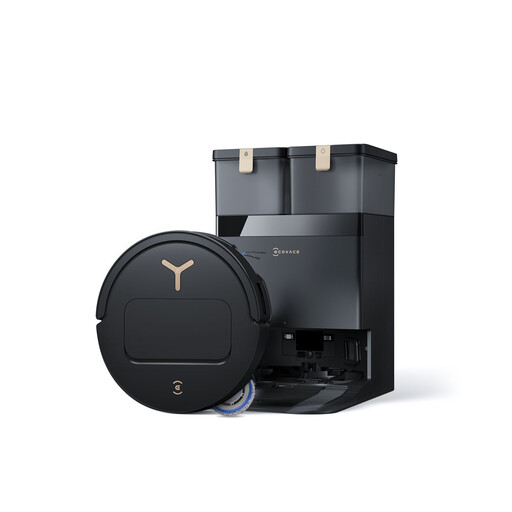
Why This Fits Their Persona: Perfect for users who value spotless cleanliness and are frustrated by dust strips along edges. This model specifically addresses the weakness of edge cleaning.
With TruEdge 2.0 Adaptive Edge Mopping, the mop actively extends to clean right up to the edge. This solves the problem of neglected borders that occurs with many round robots.
The OMNI station offers hot water mop washing and ZeroTangle 3.0 technology. The AIVI 3D 3.0 obstacle avoidance ensures safe navigation.
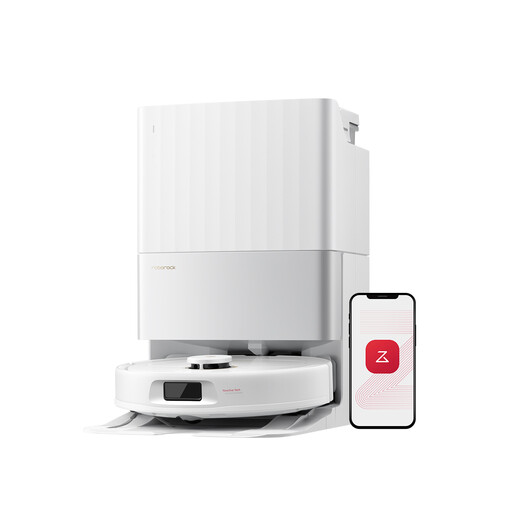
Why This Fits Their Persona: Offers a balanced package of premium features for users seeking a powerful yet accessible entry into the world of fully automated robot vacuum and mops.
Instead of just relying on a high Pa value, this model combines a solid 12,000 Pa of suction power with smart features like FlexiArm Mops for better edge coverage and a dual anti-tangle system.
The station dries the mops with hot air to prevent odours. The intelligent navigation and obstacle avoidance ensure smooth operation.
We've compiled a complete, up-to-date list of products that fully meet these strict selection criteria and rigorous safety standards.
1. How often does the auto-empty station of a robot vacuum need maintenance? It heavily depends on the model and your usage. For models with large dust bags (e.g., 3 litres), the bag often only needs to be changed every 60-75 days. The clean and dirty water tanks should be emptied/refilled and cleaned about once a week, depending on cleaning frequency, to prevent odours. Models with automatic station self-cleaning further reduce this effort.
2. Do robot vacuums with mopping functions also work on carpets? Yes, modern devices feature automatic carpet detection. When the robot senses a carpet, it automatically lifts its mopping pads (mop-lifting) or returns to the station to drop them off before vacuuming the carpet. This ensures that carpets stay dry.
3. What role does the navigation type (LiDAR vs. Camera) play in practice? LiDAR is sufficient and highly reliable for basic mapping and navigation in 99% of cases. An additional camera with AI object recognition is particularly useful if you frequently have unforeseen, low-profile obstacles on the floor (e.g., toys, charging cables, pet waste). It provides an extra layer of security to avoid collisions and mishaps. For an average, tidy household, a pure LiDAR system is often perfectly adequate.