
Lieferung heute & morgen

Qualitätsgarantie

Willkommens-Angebote freischalten: KOSTENLOSE Lieferung | Bis zu 80 % RABATT | Kostenlose 30-Tage-JoyPlus-Testphase
App herunterladen
A smart home assistant that vacuums and mops autonomously promises significant time savings and consistently clean floors. However, the market for robot vacuums with mopping functions is crowded, and many devices don't live up to their advertising claims. As a Joybuy Product Recommendation Officer, I'm here to filter the essential information for you, so you can make an informed decision and avoid the most common purchasing traps.
Before you invest in a new robot vacuum, you should be aware of the typical weaknesses that often only become apparent after the purchase.
To avoid these problems, you should focus on three technical features that separate the best models from the rest.
Precise navigation is the foundation of an efficient clean. Robot vacuums with laser navigation (LiDAR) scan the room to create an exact map. This allows for systematic, row-by-row cleaning without missing any areas. Furthermore, the app lets you select specific rooms for cleaning, set up virtual walls, or define no-go zones to protect areas like your pet's feeding station.
Look for active mopping technology. Systems with dual rotating mops or oscillating mopping plates apply pressure to the floor, allowing them to scrub away even dried-on stains. Some models automatically lift their mops on carpets to keep them dry—an indispensable feature for homes with mixed flooring types.
A robot vacuum with an auto-empty dock takes most of the work off your hands. Modern stations are far more than just charging points. They can:
A system like this offers a high degree of autonomy and reduces manual maintenance to a minimum.
Based on objective technical features, here are some models that represent a smart choice for different user profiles.
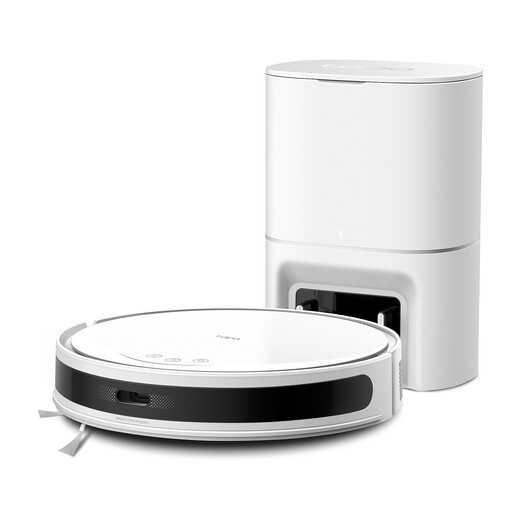
Why It's a Match: Ideal for busy professionals or families looking for reliable, foundational automation. The device offers a solid combination of vacuuming and mopping with the convenience of an auto-empty dock, all without stretching the budget for absolute high-end features.
Thanks to MagSlim LiDAR Navigation, it avoids the inadequate navigation trap. Cleaning is systematic and efficient. The auto-empty dock significantly reduces maintenance.
Its ultra-slim design of just 83 mm allows it to clean under many sofas and beds where other robots can't reach. The auto-empty station holds dust for up to two months.
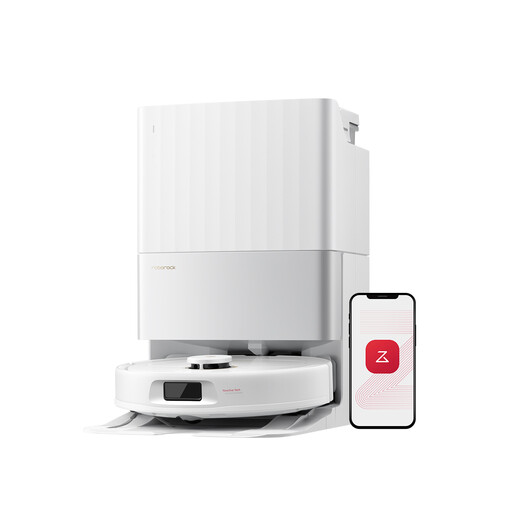
Why It's a Match: For pet owners, high suction power and excellent hair pickup are crucial. This model combines 12,000 Pa of suction power with a dual anti-tangle system to effectively remove pet hair from hard floors and carpets.
It bypasses the "High Suction Power" trap with a well-designed dual anti-tangle system that reliably picks up hair. The FlexiArm Mops provide an active mopping system that effectively removes dirt instead of just spreading it around.
The station not only washes the mops but also dries them with hot air. This prevents the build-up of unpleasant odours and bacteria—a key benefit in homes with pets.
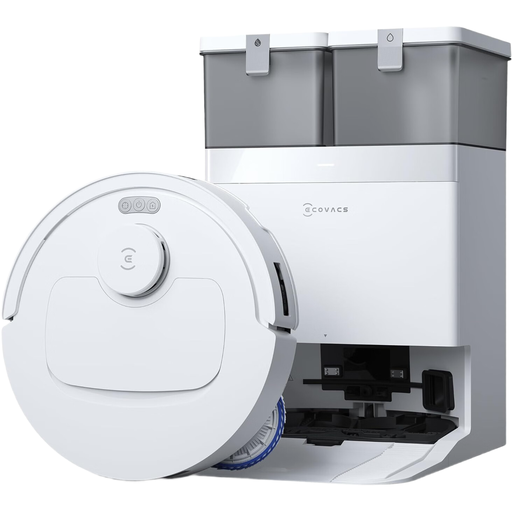
Why It's a Match: For users who demand the highest level of automation and the most advanced technology. This model offers extremely high suction power and a station that handles nearly all maintenance tasks, including washing the mops with 75°C hot water.
All three traps are systematically addressed: its 20,000 Pa suction power is complemented by ZeroTangle 3.0 anti-tangle technology. The OZMO Turbo 2.0 mopping system with rotating mops ensures an active clean. The OMNI station fully automates maintenance.
The TruEdge 2.0 technology enables precise edge cleaning, an area where many robots fall short. The mop washing feature, using 75°C hot water, ensures a high level of hygiene.
It's not just floors; windows can also be a tedious cleaning task. An automatic window cleaner can be a valuable addition here. Models like the ECOVACS WINBOT W2S OMNI use suction to attach to the glass and systematically clean the surface with special pads and cleaning solution. Thanks to intelligent edge detection and a safety tether, they are also suitable for large or hard-to-reach glass surfaces.
We have compiled a complete, continuously updated list of products that fully meet these strict selection criteria and safety standards.
1. What is the lifespan of a robot vacuum and mop? The average lifespan of a robot vacuum and mop is between three and five years. It largely depends on the frequency of use, the quality of the device, and, most importantly, regular maintenance. The battery is often the first component to lose performance. Proper care of the brushes, filters, and sensors can significantly extend the device's lifespan.
2. How often does a robot vacuum's station need maintenance? This depends on the model and your usage. For a station with a dust bag, the bag will need to be replaced every 30 to 60 days, depending on your household size and the amount of dirt. The fresh and dirty water tanks should be emptied and refilled weekly. It is recommended to clean the station's washing tray, where the mops are cleaned, about once a month to prevent build-up.
3. Are robot vacuums truly effective for pet hair? Models with high suction power (over 8,000 Pa) and specially designed rubber brushes (instead of bristles) are very effective at picking up pet hair. Rubber brushes are less prone to tangling and are easier to clean. Brands like Roborock, Ecovacs, or Dreame offer special technologies to prevent hair entanglement. Nevertheless, for homes with very long-haired pets or on high-pile carpets, an occasional manual clean-up of corners or the brush itself may still be necessary.