
Lieferung heute & morgen

Qualitätsgarantie

Willkommens-Angebote freischalten: KOSTENLOSE Lieferung | Bis zu 80 % RABATT | Kostenlose 30-Tage-JoyPlus-Testphase
App herunterladen
For many home cooks and culinary enthusiasts, a Santoku knife is the centerpiece of the kitchen. Its versatility in cutting vegetables, fish, and meat makes it an indispensable tool. However, the market is flooded with options whose marketing promises often obscure more than they clarify. Before you make a decision, it's crucial to understand the common pitfalls that can lead to a bad purchase.
Many buyers are misled by visual features or vague quality claims. Here are two common problems:
To make an informed decision, you should focus on verifiable, technical features rather than marketing buzzwords. Two parameters are of central importance.
The quality of the steel is the decisive factor for a knife's sharpness and edge retention. Vague descriptions like "stainless steel" are not meaningful. Look for precise material designations and the hardness level, measured in Rockwell (HRC).
The tang is the backbone of the knife and is responsible for balance and stability.
Instead of making a one-size-fits-all recommendation, we have matched products to different needs and standards.
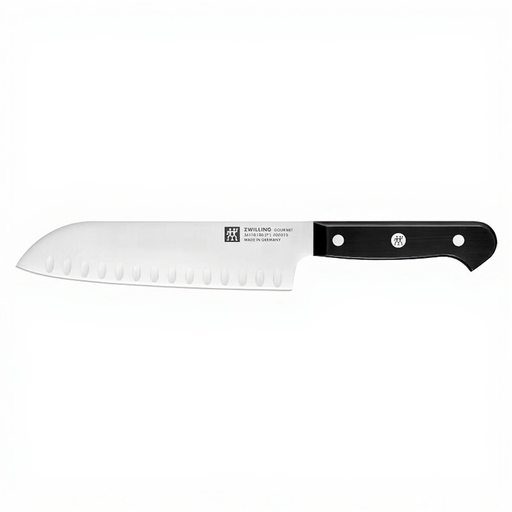
Why it's a good fit: Ideal for anyone looking for a reliable, durable first Santoku knife from an established brand. It offers an excellent balance of price and performance for daily use in the home kitchen.
This knife uses a clearly defined FRIODUR ice-hardened blade made of special formula steel, rather than hiding behind vague terms. Manufacturing in Germany ensures consistent quality and good balance.
The ice-hardened blade provides high corrosion resistance and long-lasting sharpness. The ergonomic synthetic handle is easy to care for and durable.
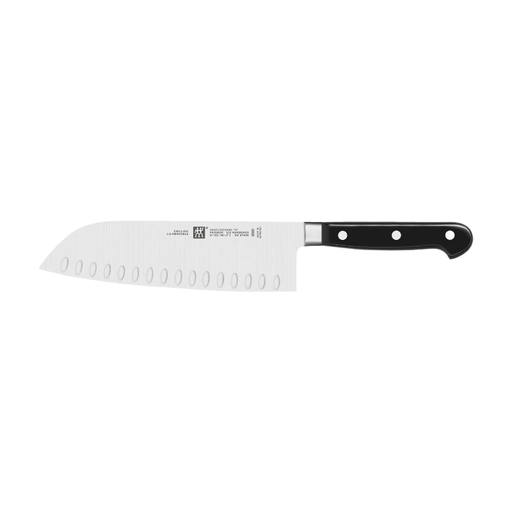
Why it's a good fit: For users who value precision, control, and longevity. This knife is designed for intensive use and brings professional-grade features to the home kitchen.
This knife is a classic forged knife with a full tang. This construction ensures excellent balance and stability, which is lacking in cheaper knives with short tangs.
The SIGMAFORGE manufacturing process, from a single piece of steel, creates a seamless transition from blade to handle, improving hygiene and durability. The hollow edge prevents food from sticking.
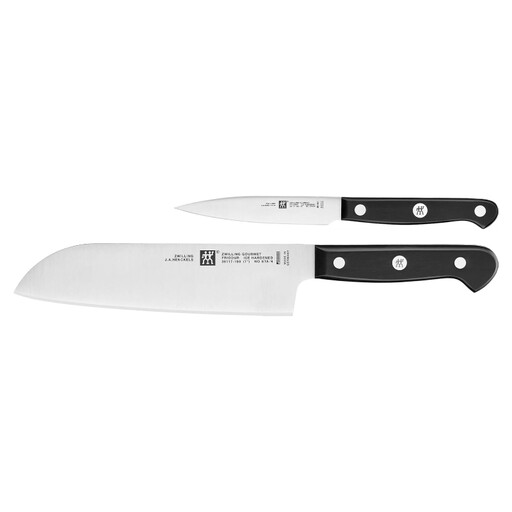
Why it's a good fit: This kitchen knife set is a practical solution for a basic setup. It combines the versatile Santoku knife with a small paring and garnishing knife for detail work.
Instead of buying individual, potentially mismatched knives, this set ensures consistent quality and ergonomics. Both knives come from the same manufacturing line in Solingen and meet the same standards.
The set covers the most common cutting tasks in the kitchen. The Zwilling Santoku knife for larger jobs and the small knife for peeling and precise cuts. Both blades are FRIODUR ice-hardened.
We have compiled a complete, up-to-date list of products that fully meet these strict selection criteria and German safety regulations.
The main difference lies in the blade shape and the associated cutting technique. A Japanese knife like the Santoku has a wider blade and a less curved edge than a classic European chef's knife. While the chef's knife, with its curved blade, supports a rocking motion, the Santoku, with its straighter edge, is ideal for chopping and pulling cuts. It is particularly well-suited for fine cuts of vegetables.
Even if some models are declared dishwasher-safe, hand washing is recommended to preserve sharpness and longevity. Harsh detergents and contact with other dishes in the dishwasher can damage the fine cutting edge. Dry the knife immediately after cleaning. Use cutting boards made of wood or plastic, as hard surfaces like glass or stone will dull the blade. For storage, a knife block, a magnetic strip, or a blade guard are suitable.
A knife with a hollow edge is not strictly necessary, but it offers a noticeable functional advantage. The indentations reduce friction and prevent thin or moist foods like potatoes, cucumbers, or raw fish from sticking to the blade. This allows for faster, cleaner, and less frustrating work, especially when preparing salads or vegetable dishes. For users who frequently process such ingredients, the hollow edge is a worthwhile feature.