
Lieferung heute & morgen

Qualitätsgarantie
App herunterladen
Kategorien
The effectiveness of a scrub brush is determined by the interplay of bristle material, bristle density, and handle ergonomics. An objective analysis of these components is crucial for selecting the right tool for a specific cleaning task—whether it's for stubborn grime on patio floors, cleaning grout lines in the bathroom, or surface preparation in the workshop. This guide analyses the technical features of scrub brushes and presents a selection of models for various applications.
The selection of the right scrub brush should be based on an evaluation of objective criteria. The following technical parameters help assess a model's performance and suitability for its intended purpose.
The bristle material defines the brush's primary application. Each material has specific properties regarding hardness, flexibility, and chemical resistance.
The shape and material of the handle significantly influence user comfort and power transfer.
The shape and density of the brush head are crucial for cleaning efficiency. A wide head with densely packed bristle tufts allows for quick coverage of large areas. A narrow, tapered head, like that found on a grout brush, concentrates force onto a small area and reaches hard-to-access spots.
Based on the technical criteria above, we have compiled a selection of scrub brushes for different use cases.
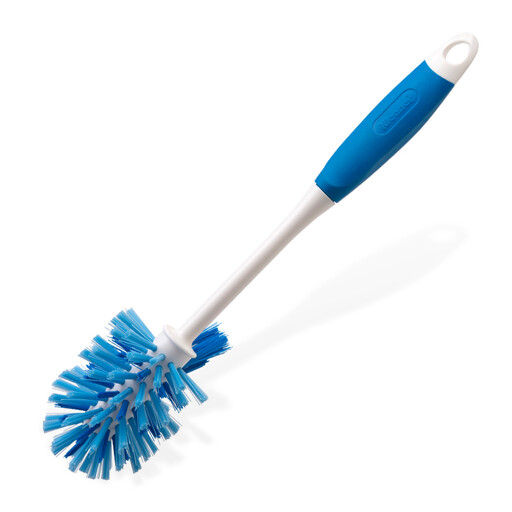
Why We Recommend This Product This model combines a 36 cm long handle with a wide brush head, enabling ergonomic cleaning of floor surfaces. The polypropylene body is resistant to moisture and chemicals. The 29 mm long, stiff bristles are designed for removing stubborn dirt from durable surfaces. The handle with its TPR coating ensures a secure grip.
Pros:
Best For: This model is designed for users who need to clean large areas such as garage floors, patios, balconies, or tiled sections in kitchens and bathrooms, and who prioritise a posture that is easy on the back.
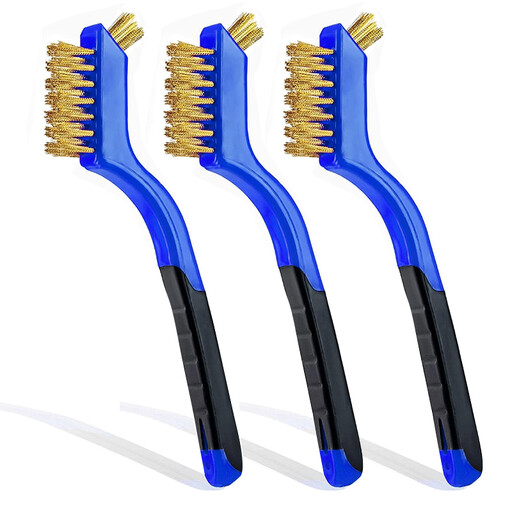
Why We Recommend This Product This brush set offers high versatility with its three different brushes. It includes one brush each with stainless steel, brass, and nylon bristles. This allows the set to cover a wide spectrum of tasks—from aggressive rust removal with the stainless steel brush and gentler metal cleaning with the brass brush, to delicate cleaning with the nylon brush. The double-headed design increases its lifespan.
Pros:
Best For: Ideal for DIY enthusiasts and hobbyists who need a multifunctional toolset for material preparation and detail cleaning. It is suitable for removing rust and paint, cleaning solder joints, or cleaning delicate components.
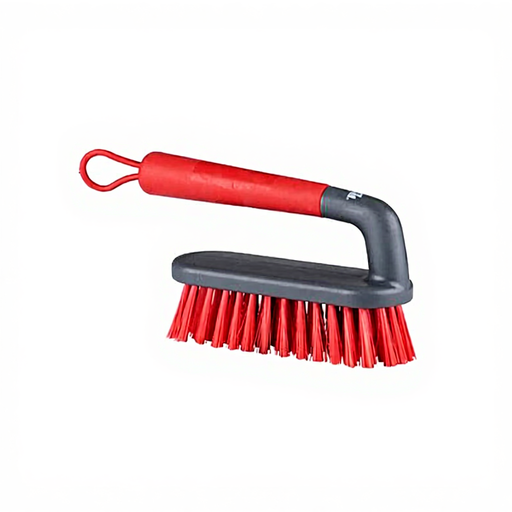
Why We Recommend This Product This model focuses on user comfort during manual cleaning tasks. The ergonomically shaped soft-grip handle provides excellent control and reduces hand fatigue. The durable bristles are suitable for a variety of surfaces, from kitchen countertops and bathroom tiles to garden furniture. At 21.5 cm in length, the brush is compact and easy to handle.
Pros:
Best For: This model is an excellent choice for individuals looking for a classic hand brush for intensive yet targeted cleaning tasks in and around the home, who value a comfortable and secure grip.
The products featured cover common use cases. For more specialised tasks, such as cleaning radiators, bottles, or very delicate surfaces, other specialised brush types are available. You can find a wider selection of tools for different cleaning needs in our main Brush category.
1. Which brush is best for grout? For cleaning tile grout, a special grout brush with a narrow head and very hard, short bristles is ideal. This design concentrates pressure on the narrow grout line, effectively removing dirt, limescale, and mildew buildup. Some hand brushes with stiff bristles can also be used for wider grout lines.
2. What is the difference between a scrub brush and a scouring brush? In common usage, the terms scrub brush and scouring brush are largely synonymous. Both refer to a cleaning brush with firm, robust bristles designed for intensive mechanical cleaning of surfaces through friction (scrubbing or scouring).
3. How should a scrub brush be properly cleaned and stored? After each use, the brush should be rinsed thoroughly under running water to remove dirt particles and cleaning agent residue. Stubborn debris can be removed from the bristles with your fingers or a comb. For storage, the brush should be hung up in a dry, well-ventilated area or placed with the bristles facing up. This ensures the bristles dry completely and retain their shape.