
Lieferung heute & morgen

Qualitätsgarantie

Willkommens-Angebote freischalten: KOSTENLOSE Lieferung | Bis zu 80 % RABATT | Kostenlose 30-Tage-JoyPlus-Testphase
App herunterladen
The selection of Asian snacks is constantly growing, sparking a curiosity for new taste experiences. For many, a seaweed snack is an intriguing option that combines a signature umami flavour with a delightfully crispy texture. But with such a wide variety of brands, preparation methods, and flavours, choosing the right one can be a challenge.
This article serves as a guide. We'll introduce different types of seaweed snacks and provide you with objective information to help you make an informed decision.
To find the right seaweed snack for your palate, a few objective criteria can be helpful.
Texture is a key characteristic. Roasted seaweed sheets are paper-thin, incredibly crispy, and almost melt on your tongue. They are often only lightly salted. Another popular style is tempura seaweed, where the sheets are dipped in a light batter and deep-fried. The result is a thicker, crunchier seaweed crisp with a more substantial bite. Finally, there are also seasoned seaweed flakes, which work well both as a snack and as a topping for rice dishes.
The flavour profile often depends on the country of origin. Korean seaweed is typically roasted with sesame oil and salt, giving it a nutty, savoury aroma. Thai products, like those from Taokaenoi seaweed, are known for their creative flavours, which can range from classic salty and spicy to even sweet notes. A quick look at the ingredients list will reveal the seasonings used, such as garlic, chilli, or pepper powder.
Seaweed snacks are sensitive to humidity and can quickly lose their crispness. Look for airtight packaging. Resealable bags are a practical choice if you don't plan to finish the entire pack in one sitting. Portion sizes also vary, from small, single-serving packs perfect for on-the-go to larger bags designed for sharing.
Here is a selection of different seaweed snack types that represent a range of flavour profiles and textures.
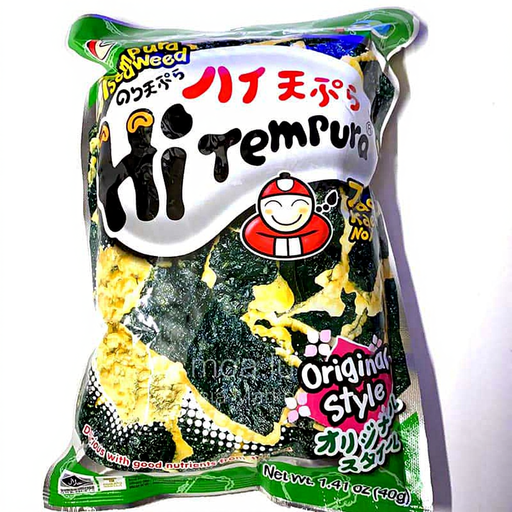
Why It Stands Out This snack combines a seaweed sheet with a light tempura batter. This preparation method creates an exceptionally crispy and sturdy texture that is distinctly different from classic, thin seaweed sheets.
Key Features
Who It's For Those who prefer a substantial, extra-crispy snack with a complex, spicy flavour profile. A great choice for fans of tempura seaweed.

Why It Stands Out This is the classic version of a roasted seaweed snack. The focus is on the pure flavour of the seaweed, enhanced by minimal seasoning.
Key Features
Who It's For For purists and newcomers who want to experience the authentic taste of roasted seaweed. An ideal choice for a light, straightforward seaweed snack.
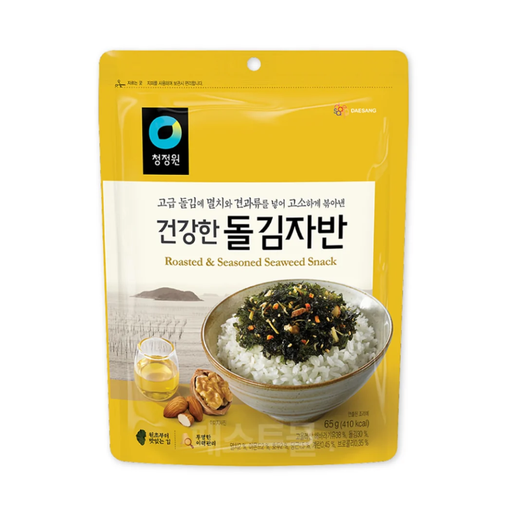
Why It Stands Out This Korean seaweed comes in the form of small, seasoned flakes. This format makes it not only a standalone snack but also a versatile kitchen ingredient.
Key Features
Who It's For For those looking for a versatile snack that can also be used to enhance rice, soups, or salads. A great choice for anyone who appreciates the classic nutty flavour of Korean seaweed.
The world of seaweed snacks is vast, offering countless flavours and variations. If the products featured here aren't quite what you're looking for, or if you're simply curious about other varieties, you might find the perfect match in our wider selection.
? Explore Our Full Range of Seaweed Snacks and Nuts
Compared to traditional potato crisps, seaweed snacks can offer a different nutritional profile. They are often rich in umami flavour, which can help satisfy cravings. However, it's always wise to check the nutritional information on the package, especially the salt and fat content, which can vary significantly depending on the preparation method (e.g., fried vs. roasted).
The fundamental flavour of seaweed is 'umami'—a savoury, broth-like note. Depending on the product, this taste is complemented by salt, spices, sugar, or oils. Roasted seaweed tastes primarily salty and of the sea, while seasoned varieties can also be sweet, spicy, or nutty (from sesame oil).
Seaweed snacks quickly absorb moisture from the air and can become soft. They should always be stored in a cool, dry place, away from direct sunlight. After opening, it's best to keep them in an airtight container or carefully reseal the package to maintain their crispness.