
Lieferung heute & morgen

Qualitätsgarantie

Willkommens-Angebote freischalten: KOSTENLOSE Lieferung | Bis zu 80 % RABATT | Kostenlose 30-Tage-JoyPlus-Testphase
App herunterladen
A fully automatic robot vacuum that not only vacuums but also mops and then cleans itself—this is the standard for a modern household in 2026. However, the market is crowded, and marketing promises often outweigh actual performance. Many devices turn out to be a poor investment because crucial details were overlooked. This guide will help you separate the best from the rest and find a model that truly fits your needs.
Before we dive into the key performance features, let's look at the typical problems that often only become apparent after the purchase.
To avoid the problems mentioned above, focus on the following three core features. These largely determine the level of automation and the quality of the clean.
The station is the heart of a modern device. A self-cleaning robot vacuum should do more than just empty its dustbin. Look for the following station functions:
As mentioned, the type of mopping function is crucial. Look for models with active systems:
Precise navigation is the foundation for complete and efficient cleaning.
Based on the criteria above, we have identified a few models that offer a suitable solution for different user profiles.
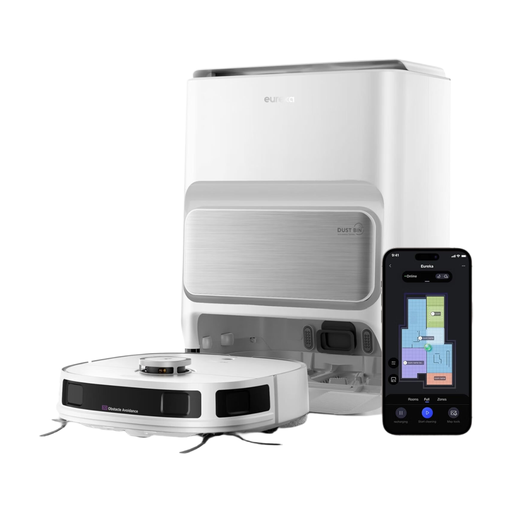
Why it's a good fit: Offers a comprehensive automation package usually reserved for more expensive devices. Ideal for anyone looking for a fully automated solution without breaking the bank.
The all-in-one station cleans and dries the rotating mops, avoiding passive mopping performance. The 3D AI obstacle recognition and Dual-LiDAR navigation ensure more reliable object avoidance than simple infrared sensors.
Complete cleaning station (emptying, washing, drying). Ultrasonic carpet detection with automatic mop-lifting.
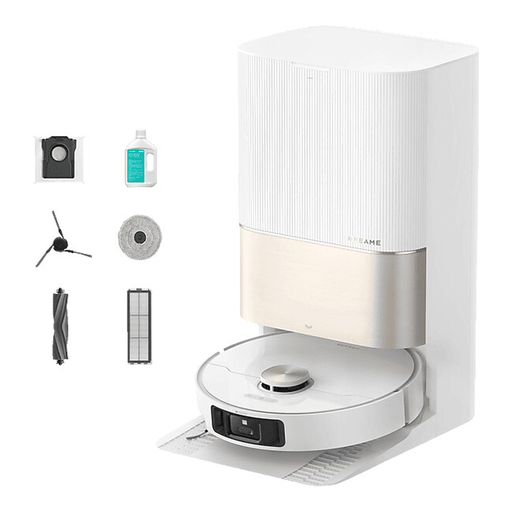
Why it's a good fit: Engineered for maximum cleaning coverage and minimal maintenance, ideal for pet owners looking for a solution for hair, dirt, and hard-to-reach areas.
Directly addresses the edge cleaning problem with an extendable side brush and a swinging mop pad (MopExtend RoboSwing). The high suction power of 12,000 Pa (according to the manufacturer) and the optional TriCut brush are specifically designed to pick up pet hair.
Station with 70°C (158°F) hot water mop washing. Intelligent dirt detection (OmniDirt) for targeted re-cleaning. Detachable mops for vacuum-only runs on carpet.
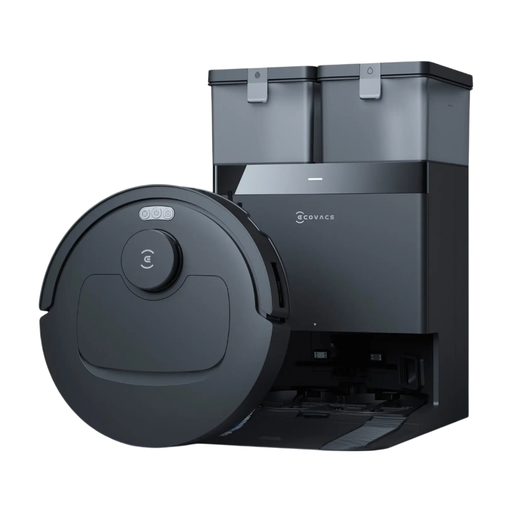
Why it's a good fit: For users who demand an uncompromising clean into the very last corner and value the latest technological advancements to achieve maximum cleanliness.
The TruEdge 2.0 technology actively extends the mop to eliminate the dirty edge along baseboards—a direct solution to the pitfall of poor edge cleaning. The OMNI station with 75°C (167°F) hot water washing and the rotating OZMO Turbo 2.0 mops ensure an intensive, active wet clean.
Very high suction power (25,000 Pa according to the manufacturer). ZeroTangle 3.0 anti-hair technology. Fast mapping with TrueMapping 2.0.
We have compiled a complete, up-to-date list of products that fully meet these strict selection criteria and UK/EU safety regulations.
1. How often does the dust bag in the self-emptying station need to be replaced? This largely depends on the size of your home, the amount of dirt, and whether you have pets. With average use in an 80-100 m? (approx. 860-1075 sq ft) home, a dust bag in the station can last between 60 and 75 days. Most devices will notify you via an app when it's time for a change.
2. Can a robot vacuum and mop completely replace manual mopping? Modern devices with rotating mops and hot water cleaning come very close and are excellent for daily and weekly maintenance cleaning. They handle fresh stains and general dirt very well. However, for very stubborn, dried-on, or sticky messes, some occasional manual pre-treatment or follow-up may still be necessary.
3. What maintenance does a robot vacuum and mop with a self-cleaning station require? Although these devices are considered "low-maintenance," a minimum amount of care is needed. This includes: