
Lieferung heute & morgen

Qualitätsgarantie

Willkommens-Angebote freischalten: KOSTENLOSE Lieferung | Bis zu 80 % RABATT | Kostenlose 30-Tage-JoyPlus-Testphase
App herunterladen
A cluttered hallway with shoes blocking the path is a common problem in many homes. Searching for the right pair in the morning can be time-consuming and create a mess. Thoughtful shoe storage not only creates order but can also visually enhance your entryway. This article presents various solutions—from a compact shoe rack to a spacious shoe cabinet—and helps you find a suitable option for your needs and living space.
Before you make a decision, several practical aspects should be considered. The right choice depends on your available space, the number of shoes you own, and your personal preferences for design and functionality.
Carefully measure the available space in your hallway, bedroom, or wardrobe. Consider not only the width and depth but also the height, especially if you are thinking about a tall, narrow shoe rack. Next, count the number of shoe pairs you regularly use and want to store. Plan for a little extra room for future purchases. A hallway shoe bench often offers a good balance between storage capacity and a practical surface.
The choice between an open shoe organiser and a closed shoe cabinet affects both the aesthetics and practicality.
The material determines the durability and look of your shoe storage. Metal racks are often robust and low-maintenance. Furniture made from engineered wood offers a warm aesthetic and is available in many designs. Modular systems made of plastic panels allow for flexible adaptation to your space. Pay attention to the specified maximum load capacity per tier to ensure stable and secure storage.
Here is a selection of different models, each suited for various needs due to their specific features.

Why This Model Stands Out This shoe cabinet combines closed storage with open compartments and a practical top surface. The closed doors ensure a calm look in the entryway, while the open bottom tier provides space for frequently used shoes. The top serves as a useful shelf for keys, a wallet, or decorations.
Key Specifications
Who It's For Ideal for individuals and families with a medium-sized shoe collection who prefer a tidy, enclosed look in their hallway or living room. The additional shelf space makes it a multifunctional piece of furniture for the entryway.
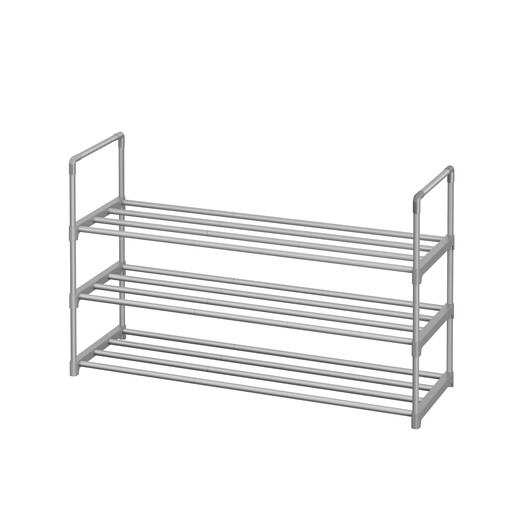
Why This Model Stands Out The strength of this shoe rack lies in its flexibility and straightforward assembly. It can be used individually, turned horizontally, or stacked with other units to expand storage space. The assembly is tool-free, making it a quick and easy solution.
Key Specifications
Who It's For Suitable for users looking for an adaptable, cost-effective, and quickly assembled solution. Its slim design fits well in narrow hallways, alcoves, or wardrobes. The stackability is a plus for anyone who might want to expand their storage capacity in the future.
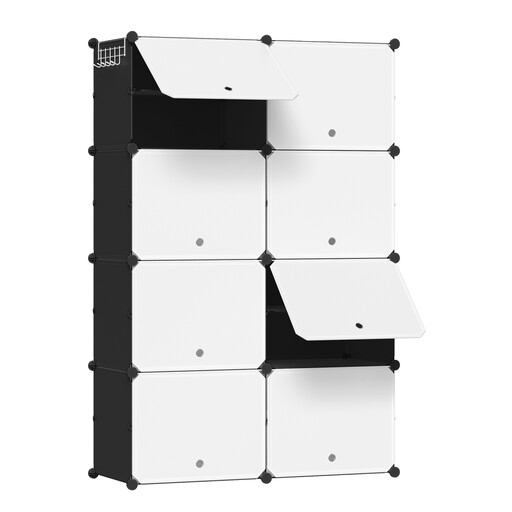
Why This Model Stands Out This modular shelving system offers very high capacity and maximum customisation. It can be assembled as a tall cabinet, a long sideboard, or in several smaller units. The dividers in the compartments are removable, so even boots or other bulky items can find a place.
Key Specifications
Who It's For Perfect for households with a large shoe collection or different types of footwear like boots and ankle boots. The modular design appeals to users who are looking for a flexible solution for organising shoes that can be adapted to their specific space.
The right shoe storage is a major step towards a more orderly home. However, sometimes other smart solutions are needed to create a harmonious and tidy living space. If you are looking for additional ways to bring order to your home, you can find more practical products in our Bedroom Organisers category.
1. What is the best way to store shoes? The optimal storage method depends on the shoe type and frequency of use. Open racks are suitable for daily rotation and ensure good ventilation. Closed cabinets protect less-worn or delicate shoes from dust and light and create a uniform look. It is important to clean and dry shoes before storing them.
2. What can be done about odours in a shoe cabinet? To prevent odour build-up, shoes should always be completely dry before being placed in a closed cabinet. Regularly airing out the cabinet is also helpful. Additionally, special odour absorbers, such as cedar blocks or charcoal-filled sachets, can be used to absorb moisture and smells.
3. How many shoes fit in an average shoe cabinet? Capacity varies greatly by model. Compact tilt-out shoe cabinets often hold 6 to 12 pairs. Larger shoe cabinets or shelving systems, like the models presented here, can accommodate 20, 30, or more pairs. When choosing, pay attention to the manufacturer's capacity specifications and check if the compartment size is also suitable for larger shoes or boots.