
Lieferung heute & morgen

Qualitätsgarantie

Willkommens-Angebote freischalten: KOSTENLOSE Lieferung | Bis zu 80 % RABATT | Kostenlose 30-Tage-JoyPlus-Testphase
App herunterladen
A good silicone baking pan promises a lot: effortless cake release, easy cleaning, and perfect baking results. In practice, however, many models turn out to be impractical or even a source of frustration. Before you invest, it's crucial to understand the typical weaknesses that often only become apparent after the first use. This guide will help you separate the wheat from the chaff and find a pan that truly delivers on its promises.
Many buyers focus on the shape and price, overlooking critical quality features. These three flaws are the most common reasons for disappointment:
To avoid the problems mentioned above, you should check three technical parameters before buying. These define the durability and functionality of your new baking pan.
The most important feature is the material composition. Look for the 100% food-grade silicone label. This ensures that no harmful substances are released into your baked goods. A BPA-free certification is another important indicator of a safe product. High-quality platinum silicone is odourless and tasteless and shows no colour change even when bent sharply.
A good silicone cake pan needs stability. Look for models with integrated reinforcements. These can include:
Check the specified temperature range. A versatile pan should withstand temperatures from approximately -20°C to +220°C. This allows not only for baking in the oven but also for preparing frozen desserts. A good non-stick baking pan should retain its properties even after many wash cycles. Look for the dishwasher-safe bakeware label to simplify cleaning. A smooth, non-porous inner surface prevents dough residue from sticking and the formation of a greasy film.
Instead of making a one-size-fits-all recommendation, we have selected products for different user profiles. Each of these models addresses the aforementioned pitfalls in its own way.
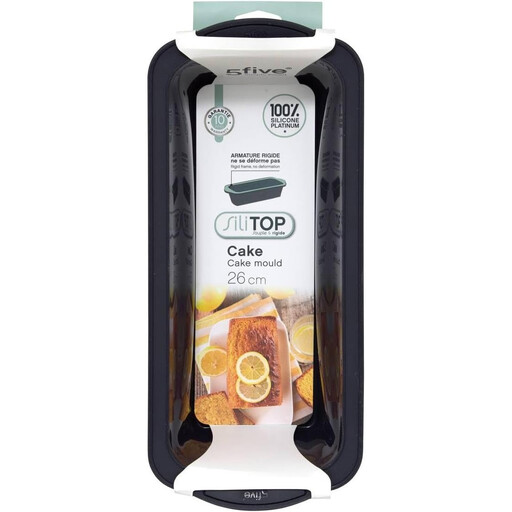
Why This Fits Their Persona: Ideal for classic loaf cakes and breads. This pan combines the flexibility of silicone with the stability of metal, making it a reliable tool for weekly baking.
The integrated steel frame completely solves the problem of instability. The pan holds its shape even with heavy batter and can be placed securely in the oven.
Combination of steel and silicone for maximum stability; temperature-resistant up to 220°C and dishwasher-safe for easy cleaning.
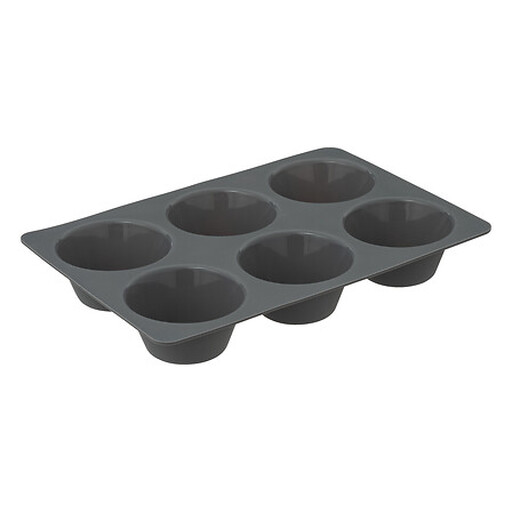
Why This Fits Their Persona: Perfect for anyone who regularly bakes muffins or cupcakes. This silicone muffin tin is designed for uniform results and easy release without the need for paper liners.
The high-quality, non-porous silicone prevents the formation of a sticky film and does not absorb odours. Here, flexibility is an advantage, as each muffin can be pushed out individually.
Precisely shaped cavities for even baking results; high flexibility for damage-free release; suitable for the oven, freezer, and dishwasher.
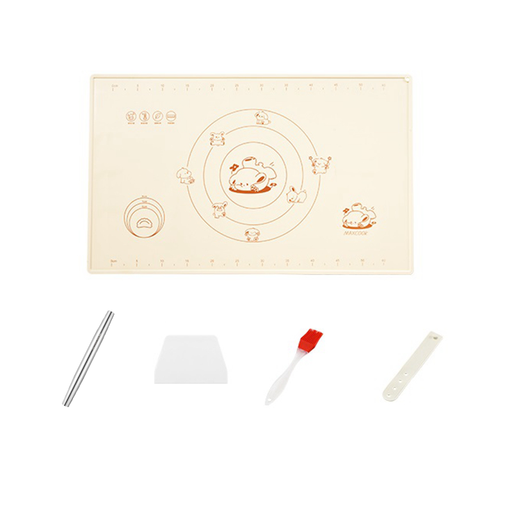
Why This Fits Their Persona: For those who value exact measurements and a clean work surface. This silicone baking mat is not a pan, but an indispensable silicone baking accessory for rolling out dough.
The non-slip base adheres firmly to the countertop, solving the problem of it sliding around. The high-quality silicone is heat-resistant and easy to clean without becoming sticky.
Integrated measurement markings for precise work; non-slip base for a secure grip; made from 100% food-grade, BPA-free silicone.
We have compiled a complete, real-time list of products that fully satisfy these strict selection criteria and UK safety regulations.
For the first use, it is recommended to lightly grease the pan with oil or butter. For most high-quality pans, this is no longer necessary for subsequent uses, as a natural non-stick patina forms. However, for very sugary or low-fat batters, light greasing can still be helpful.
Rinse the pan immediately after use with hot water and mild dish soap. For a thorough cleaning, it is usually dishwasher-safe. If a sticky film does form, you can soak the pan for about an hour in hot water with a splash of vinegar or some baking soda, then rinse thoroughly.
Perform the pinch test: squeeze and bend the silicone. If white lines or a colour change become visible, the material likely contains fillers. Pure, high-quality silicone retains its colour. Also, look for a sturdy feel, reinforced edges, and certification as BPA-free and food-grade.