
Lieferung heute & morgen

Qualitätsgarantie

Willkommens-Angebote freischalten: KOSTENLOSE Lieferung | Bis zu 80 % RABATT | Kostenlose 30-Tage-JoyPlus-Testphase
App herunterladen
The transition from breast or bottle feeding to drinking independently is a key developmental milestone. A good sippy cup can make this process significantly easier. However, the market is flooded with models that overpromise and underdeliver. As a Joybuy Product Recommendation Officer, I'll help you navigate the common pitfalls and make an informed decision based on your child's actual needs.
Many products advertise features that disappoint in practice. Watch out for these three points to avoid a bad purchase:
To find the right cup, focus on objective and verifiable features. These three parameters are crucial for safety, functionality, and durability.
The BPA-free (Bisphenol A-free) label is a minimum standard for any child's water bottle today. Look for durable, food-grade materials such as:
The choice of material affects not only the cup's safety but also its durability and ease of care.
A baby's journey to learning to drink happens in stages. The drinking mechanism should support these stages, not hinder them.
A cup needs to be practical for daily use. Check for the following:
Here are some recommendations tailored to different age groups and use cases.
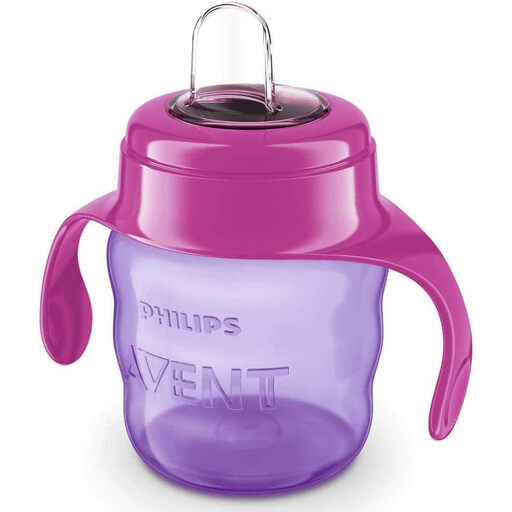
Why this model is a great fit: This cup is specially designed for the transition from the bottle. The soft silicone spout is gentle on gums, and the ergonomic handles are ideal for little hands just learning to grip.
The one-piece silicone valve is easy to assemble and clean, avoiding the trap of complicated and unhygienic components.
Integrated valve for leak-proof drinking and compatibility with other Philips Avent bottles (excluding glass bottles).
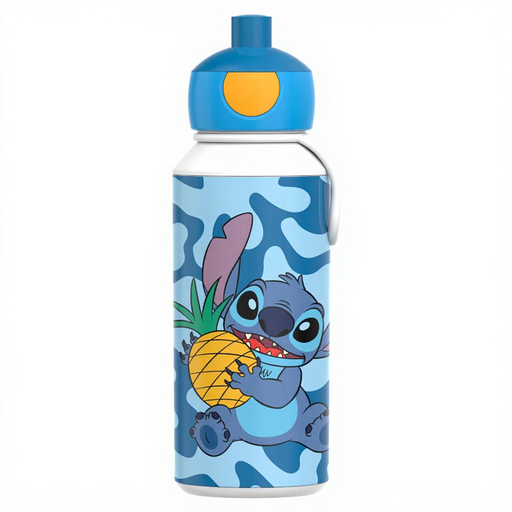
Why this model is a great fit: For older, more confident drinkers (ages 3 and up), this bottle is ideal for nursery or outings. It's durable, has a larger capacity, and features a convenient carrying loop.
The innovative pop-up closure is reliably sealed and durable, solving the problem of leaks in a bag. The closure can be disassembled for thorough cleaning.
A leak-proof pop-up mechanism with one-touch operation that is easy for small hands to manage.
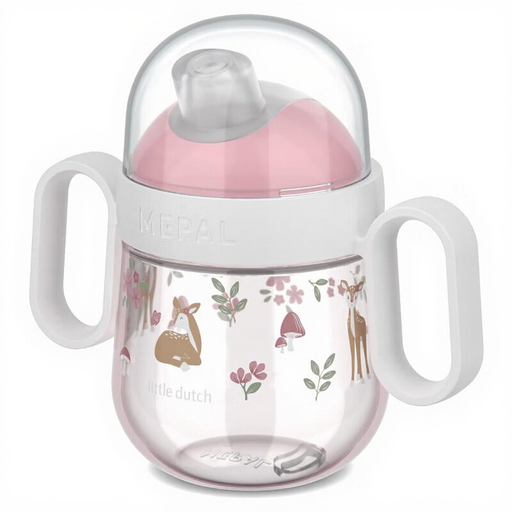
Why this model is a great fit: This cup combines a reliable leak-proof valve system with a shock-resistant design. It's perfect for the rough and tumble of daily life with toddlers who are prone to dropping their cup.
The shock-resistant construction prevents damage and leaks from drops. The simple valve system is easy to clean, preventing hygiene issues.
Shock-resistant construction and a reliable, leak-proof valve system, combined with easy cleaning in the dishwasher.
We've compiled a comprehensive, up-to-date list of products that meet these strict selection criteria and safety standards.
Most children are ready for their first sippy cup between 6 and 9 months of age. Signs of readiness include your child being able to sit up independently, showing interest in cups, and starting to grasp for objects. Start with a cup that has a soft spout and handles to ease the transition.
Disassemble the cup into all its individual parts after each use. Rinse all parts, especially the valve and straw, thoroughly with warm water and dish soap. Many models are dishwasher-safe, which simplifies cleaning. Allow all parts to air-dry completely before reassembling the cup.