
Lieferung heute & morgen

Qualitätsgarantie

Willkommens-Angebote freischalten: KOSTENLOSE Lieferung | Bis zu 80 % RABATT | Kostenlose 30-Tage-JoyPlus-Testphase
App herunterladen
Small electrical appliances promise to make daily life in the kitchen and home easier and more efficient. Yet the market is saturated with products whose actual utility often falls short of their marketing promises. Many buyers quickly find that their new device is impractical, low-quality, or simply unnecessary. This guide will help you recognise the typical pitfalls and make an informed decision that pays off in the long run.
Before you invest in a new appliance, you should be aware of the most common issues that can lead to disappointment.
To avoid a bad purchase, focus on a few, but crucial, technical features. These provide insight into the true quality and longevity of a product.
The raw wattage figure is not always telling. An efficient motor with a robust metal drivetrain is preferable to a power-hungry motor with plastic gears. For appliances like an electric meat grinder or an electric coffee grinder, solid internal components are crucial for consistent performance and a long service life. Look for product descriptions that specify the material of the core components.
Electric kitchen appliances come into direct contact with food. Therefore, material and hygiene are of central importance. Stainless steel is often the first choice here, as it is durable, flavour-neutral, and easy to clean. Check whether the relevant parts of the appliance can be easily disassembled and, ideally, cleaned in the dishwasher. This not only saves time but also ensures hygienic use.
A reliable electric home appliance must be safe. A safety lock that only allows operation when the lid or container is correctly attached is a fundamental feature. Overheat protection shuts the device off before the motor can be damaged. The presence of the GS mark indicates that the product has been tested by an independent body for compliance with German safety standards.
Instead of making a blanket recommendation, we have identified products tailored to specific use cases and user profiles.
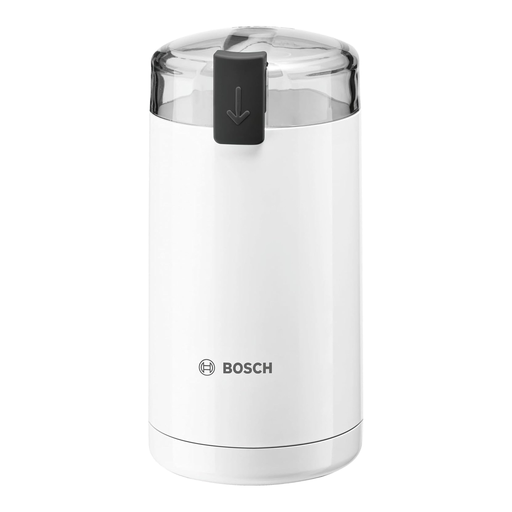
Why this appliance fits the profile: Ideal for entering the world of freshly ground coffee. This model focuses on a single task and performs it reliably. It's straightforward to use and, thanks to its compact design, fits into any kitchen.
It avoids the feature overload trap. Instead of numerous programs, this Bosch coffee grinder offers a simple and effective grinding function. The brand stands for solid build quality, thus bypassing the risk of a short lifespan.
The stainless steel blade and 180-watt motor ensure a uniform grind. The integrated safety lock guarantees safe operation.
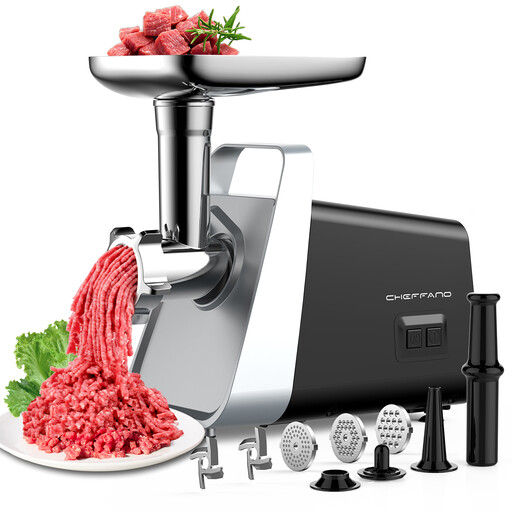
Why this appliance fits the profile: For those who love to control their ingredients and want to do more than just one task. This appliance allows you to grind meat, make your own sausages, and prepare specialities like kibbeh.
Although it's multifunctional, all accessories are geared towards its core purpose—meat processing. The "Heavy Duty" description suggests a robust construction designed for durability.
High versatility thanks to three grinding plates (fine, medium, coarse), two blades, and attachments for sausage and kibbeh. A complete set for culinary creativity.
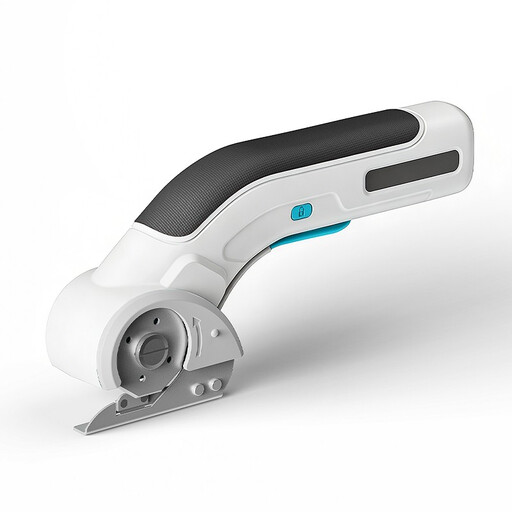
Why this appliance fits the profile: This tool is designed for DIY projects, crafts, and sewing. It effortlessly cuts materials like fabric, leather, cardboard, or carpet, replacing manual scissors for demanding or repetitive tasks.
As a specialised cordless cutter, it focuses on a clear function, avoiding unnecessary complexity. The cordless design offers maximum flexibility without compromising on performance.
The powerful motor with 11,000 RPM enables precise cuts without effort. The integrated blade lock enhances safety, and its light weight of just 0.39 kg ensures fatigue-free operation.
There are also suitable helpers for specialised DIY tasks, such as precision cutting or electrical work. These tools are designed to maximise safety and efficiency.
We have compiled a complete, up-to-date list of products that fully meet these strict selection criteria and German safety regulations.
How can I identify the durability of a small electrical appliance before buying? Pay attention to the material specifications in the product description. Terms like "stainless steel gearbox" or "metal drive" are positive indicators. Also, read the technical data to identify features like overheat protection. A longer manufacturer's warranty can also be a sign of the manufacturer's confidence in the product's quality.
How high are the electricity costs for typical electric kitchen appliances? Most small electrical appliances have a relatively low energy consumption. An electric coffee grinder with 180 watts, running for one minute daily, consumes only about 1 kWh of electricity per year. Therefore, operating costs are generally negligible and should not be a decisive purchasing criterion, as long as the device is not designed for hours of continuous operation.
Are cordless devices a good alternative? Yes, for many applications, cordless devices offer a clear advantage in terms of flexibility and mobility. A cordless cutter for craft projects or an electric air pump for a bicycle are examples where independence from the power grid significantly enhances user comfort. Key factors here are the battery capacity (specified in mAh) and the charging time. For stationary tasks in the kitchen, a corded device is often the more reliable choice.