What to look for when buying
First, check that the amount of bread suits your suppers and how you’ll store it once opened. Then compare the ingredients and nutritional information. If you need gluten-free bread or have an allergy requirement, the labelling on the specific pack is what counts.
| What to consider |
What to check |
Who it matters most to |
| Pack size and leftovers |
Net weight and advice on how soon to use the bread after opening; if you have more slices than planned, check whether you can freeze them in portions. |
If I only have toast for supper occasionally, I don’t want to leave an opened pack lying around. Around 56% of shoppers would consider getting the right amount and avoiding leftovers their most important reason for buying. |
| Wholemeal and fibre |
Compare the product name, ingredients list, and the fibre and salt content per 100 g. |
For my regular supper, I want to choose wholemeal toast based on the information on the pack rather than relying on the colour of the slices. This would be the top buying priority for around 33% of shoppers. |
| Gluten and allergens |
Check the current gluten-free labelling, ingredients, highlighted allergens and may-contain warnings on the specific pack. |
If I need to avoid certain ingredients, the right labelling matters more than the pack size. This would be the top buying priority for around 11% of shoppers. |
Small packs of toast at Joybuy
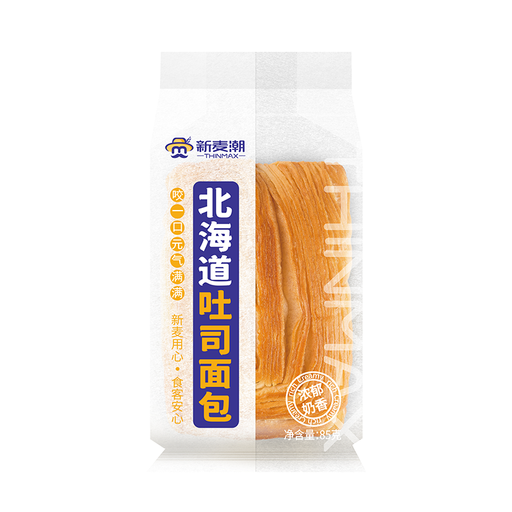
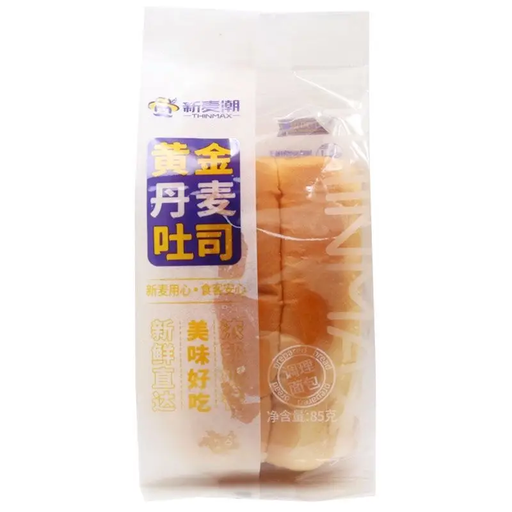
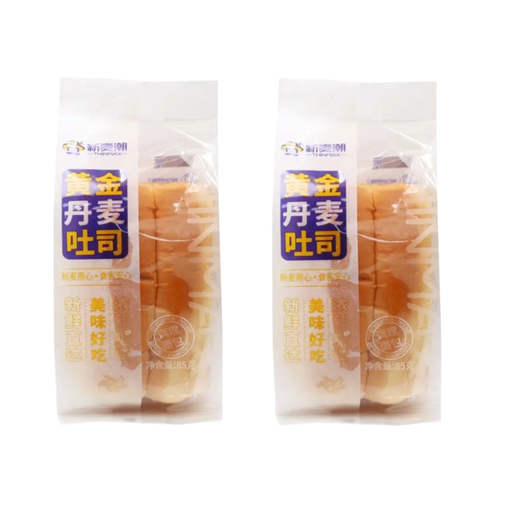
Each of these three Thinmax options contains 85 g of toast per unit; one option includes two separate 85-g units. For a small supper, it’s not just the total amount that matters, but also how quickly you want to use an opened unit. These options are no substitute for comparing them with 250-g wholemeal toast or gluten-free sliced bread.
 No image available
Thinmax Hokkaido toast bread, 85 g
This 85-g pack could suit you if you only need a small amount of toast for supper. Once opened, the contents should be used straight away, so check that the pack has enough slices for you. If you have any intolerances, the labelling on the pack you receive is what matters.
View at Joybuy
 No image available
Thinmax Golden Danish Toast, 85 g
This 85-g pack could suit you if you’re planning a small toast meal and like the sweet, buttery flavour described. Once opened, it’s recommended that you use the contents within 24 hours. Before buying, check how many slices you need and, if you have allergies, check the current pack labelling.
View at Joybuy
 No image available
Thinmax Golden Danish Toast, 2 × 85 g
The option with two 85-g units could suit you if you want more toast but don’t want to open it all at once. Once opened, the bread should be used within 24 hours. Bear in mind the sweet, buttery flavour described and, if you have allergies, check the labelling on the pack you receive.
View at Joybuy
Questions about toast for supper
Should I always buy the smallest pack of toast for a small household?
No. The pack size should suit how much you’ll use once it’s open. If you choose a larger pack, the North Rhine-Westphalia Consumer Advice Centre recommends freezing slices in portions and defrosting only what you need.
Should I keep opened toast in the fridge?
In general, the Consumer Advice Centre recommends keeping bread at room temperature in a dry, dark place; it goes stale more quickly in the fridge. Refrigeration may be an exception in very warm, damp weather. Also follow the storage advice on the specific pack.
Is it enough to remove a mouldy slice of toast?
No. If you can see mould, the Consumer Advice Centre advises throwing away the whole loaf, as it may have spread beyond the visible area.
Which allergen information should I check on toast?
Check the ingredients, highlighted allergens and any may-contain warnings on the current pack. The Federal Ministry of Agriculture, Food and Regional Identity explains the labelling requirements for the 14 most common causes of allergies and intolerances. Which of these matter to you depends on the specific recipe and your requirements.
Does toast automatically go off once it’s past its best-before date?
No. The best-before date applies to the unopened pack. According to the Consumer Advice Centre, packaged bread may still be fine after this date if there are no signs of spoilage. If you can see mould, the whole loaf should be thrown away.


