
Lieferung heute & morgen

Qualitätsgarantie

Willkommens-Angebote freischalten: KOSTENLOSE Lieferung | Bis zu 80 % RABATT | Kostenlose 30-Tage-JoyPlus-Testphase
App herunterladen
Dry eyes, a scratchy throat, or static-filled hair are common side effects of dry indoor air, especially during the heating season. Houseplants can also suffer from low humidity. A smart humidifier can provide relief by automatically maintaining an optimal humidity level. This article serves as a guide to the most important features and presents a selection of models for various needs.
The selection of devices is vast. To make an informed decision, several technical features and practical aspects are relevant.
Most modern devices operate using ultrasonic technology. This process uses high-frequency vibrations to atomise water into a fine, cool mist that disperses throughout the room. This method is energy-efficient and very quiet during operation. For use as a bedroom humidifier or in an office, the noise level is a critical criterion. Pay attention to the decibel (dB) rating provided by the manufacturer. Values around 28 dB are comparable to a quiet whisper and are generally not perceived as disruptive.
A humidifier with app control offers significant advantages over manually operated models. A smartphone app allows you to precisely set functions like the target humidity level, mist intensity, or operating schedules—even when you're away from home. Many smart models feature an integrated hygrometer (humidity sensor) and an auto mode. The device measures the current humidity and adjusts its output automatically to maintain the set target value. This ensures a consistently comfortable indoor climate and prevents over-humidification.
The capacity of the water tank, measured in litres (L), determines the device's maximum runtime. A larger tank means less frequent refilling. For a bedroom, a 3-litre tank may be sufficient for one night, while models with 4 litres or more are more practical for large living rooms. Another important feature is the filling system. So-called top-fill designs, where the lid is simply removed for refilling, are significantly more convenient and make regular cleaning of the tank easier. Easy maintenance is crucial to prevent the build-up of germs and limescale.
Based on the criteria mentioned, we have curated a selection of models that stand out for their functionality and specific features, making them suitable for different applications.

What makes it stand out: The Levoit Dual 200S Pro is a compact ultrasonic humidifier designed specifically for use in small to medium-sized rooms. Its low noise level and smart control make it a great choice for the nightstand.
Pros:
Who it's for: This model is ideal for individuals looking for a discreet and quiet humidifier for the bedroom or home office who value the convenience of app control.
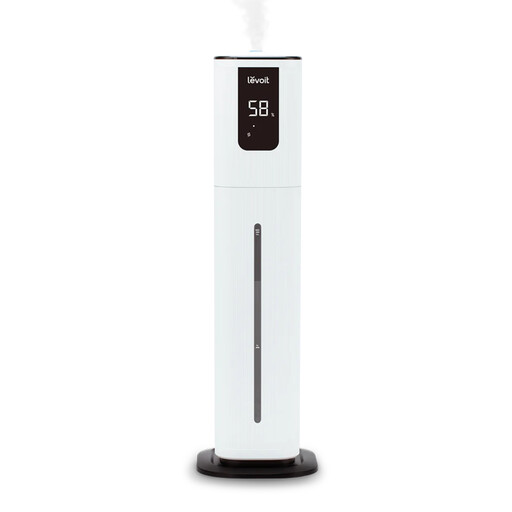
What makes it stand out: The OasisMist 1000S is designed for large areas. With its exceptionally large water tank and high humidification output, it can ensure an optimal climate even in spacious living areas.
Pros:
Who it's for: A fitting solution for users with large living rooms or open-plan living spaces. It is also worth considering for plant lovers with an extensive collection of tropical plants that require consistently high humidity.
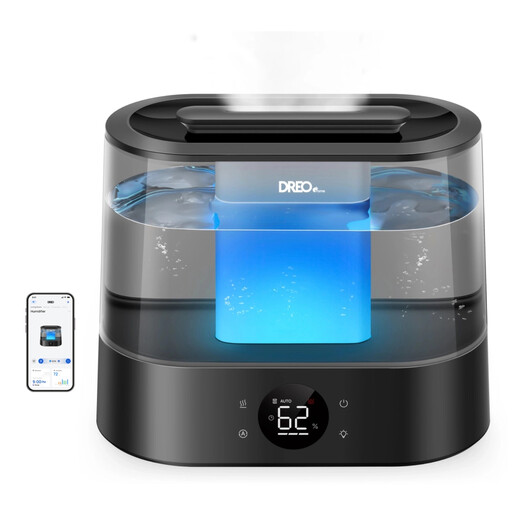
What makes it stand out: The DREO HHM010S combines a modern design with versatile customisation options via its companion app. The high mist output and precise humidity control make it a powerful all-rounder.
Pros:
Who it's for: This model is aimed at tech-savvy users who want precise control over their indoor climate and appreciate the extensive setting options of an app.
If these recommendations don't include the perfect model for your specific needs, you can find more alternatives in our broader product category. Discover our entire range of Humidifiers & Aroma Diffusers.
For living rooms and bedrooms, a relative humidity between 40% and 60% is generally considered ideal. A smart humidifier with an auto mode helps to consistently maintain this range, thus preventing problems caused by dry air.
No, this is not recommended. Essential oils should only be used in devices explicitly designated as an aroma diffuser that have a separate compartment or pad for oils. Adding oils directly to the water tank of unsuitable models can damage the plastic components and the ultrasonic membrane.
To ensure hygiene and prevent germ build-up, regular cleaning is recommended. The water tank should ideally be refilled with fresh water every two to three days and thoroughly cleaned once a week. Always follow the specific instructions from the manufacturer in the user manual.