
Lieferung heute & morgen

Qualitätsgarantie
App herunterladen
Kategorien
Choosing a smartwatch involves analysing technical specifications and aligning them with individual user needs. Modern devices act as multifunctional tools for capturing health data, monitoring activity, and extending smartphone connectivity. This guide focuses on the objective criteria that play a role in the purchasing decision.
A smartwatch's functionality is determined by the interplay of its hardware and software. The following technical parameters are relevant for making an informed decision.
The type of display affects image quality, readability in sunlight, and power consumption.
The accuracy and variety of sensors define the device's utility as a fitness tracker or heart rate monitor.
Battery life is a critical factor for everyday usability. Manufacturer specifications often refer to standardised usage scenarios. The actual runtime depends on the activation of features like the always-on display, continuous heart rate monitoring, and GPS usage. A smartwatch with long battery life reduces the need for daily charging. Magnetic charging ports have become the standard.
A device's durability is classified by IP ratings or ATM specifications.
The following models have been selected based on their technical specifications and feature sets.
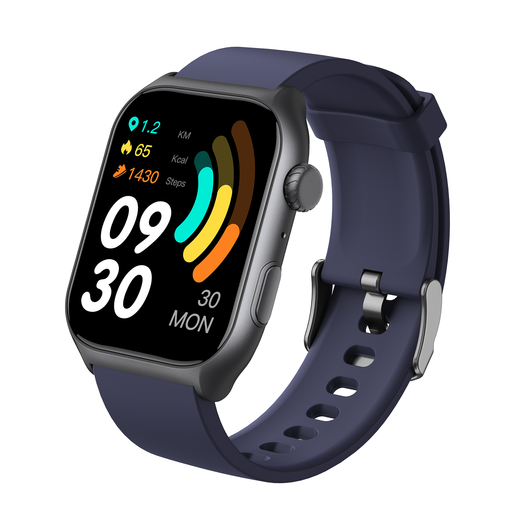
Why We Recommend It The FITTEK GTS7 Pro model combines comprehensive health monitoring with direct communication via Bluetooth calls. Its stated battery life of up to 10 days from a 300 mAh capacity and support for over 100 sport modes make it a versatile companion for both daily life and sports.
Pros
Who It's For Users looking for an all-round smartwatch with a focus on connectivity (Bluetooth calls) and a solid battery life for uninterrupted use over several days.
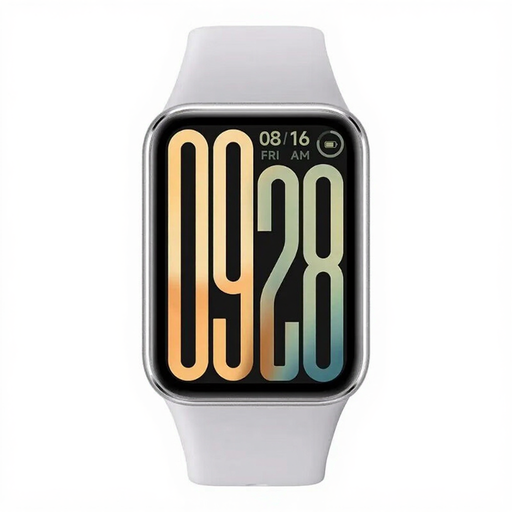
Why We Recommend It The Xiaomi Smart Band 9 Pro stands out with its bright 1.74-inch AMOLED display at 1200 nits and a very long battery life of up to 21 days. The integrated GNSS allows for precise tracking of outdoor activities, making it a high-performance sports watch.
Pros
Who It's For Users who value excellent display quality, maximum battery life, and precise route tracking for outdoor sports like running or cycling.
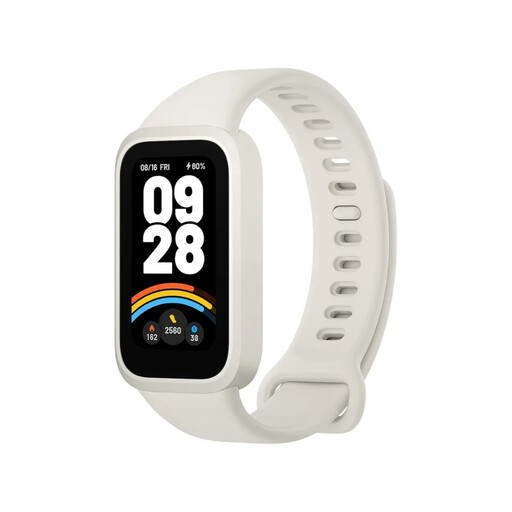
Why We Recommend It The Xiaomi Smart Band 9 Active focuses on the core functions of a fitness tracker. With a battery life of up to 18 days, 50 sport modes, and essential health sensors like SpO2, it offers a reliable and long-lasting solution for daily activity and sleep monitoring.
Pros
Who It's For Individuals who need a straightforward, lightweight, and durable device primarily for monitoring daily activities, workouts, and sleep patterns.
The products featured here represent a selection from the available range. The market offers a variety of other devices with different focuses on design, features, and price. You can find a broader overview in our smart electronics category.
1. What is the difference between a smartwatch and a fitness tracker? A fitness tracker is primarily designed to capture health and activity data such as steps, heart rate, and sleep. A smartwatch offers advanced features beyond that, such as displaying notifications, installing apps, and often communication options like Bluetooth calls or responding to messages. The lines between these categories are increasingly blurred.
2. How accurate is SpO2 measurement on a smartwatch? A smartwatch with SpO2 measurement uses optical sensors to provide an estimate of blood oxygen saturation. These measurements are designed for general fitness and wellness purposes and can serve as a guide. However, they are not intended for medical diagnosis or monitoring diseases and do not replace a medical-grade pulse oximeter. Factors such as the watch's fit, skin pigmentation, and movement can affect accuracy.