
Lieferung heute & morgen

Qualitätsgarantie
App herunterladen
Kategorien
Choosing a smartwatch involves analysing technical specifications to find the best match for your individual needs. The functionality of modern devices extends far beyond simply telling time, encompassing vital signs monitoring, navigation, and integration into existing digital ecosystems. This guide focuses on the crucial parameters to consider when making a purchasing decision.
Your choice of model should be based on a careful consideration of compatibility, sensor technology, battery life, and build quality.
The most fundamental decision concerns the operating system, as it determines compatibility with your smartphone.
The precision and variety of the built-in sensors define the utility of a smartwatch as a Fitness Watch or health monitor.
Battery life varies significantly depending on usage, display settings (Always-On), and active GPS. Manufacturer claims are typically based on a standardised usage profile. Charging time is also a relevant factor. Most current models rely on wireless charging via a magnetic puck (WPC standard).
Based on an analysis of technical specifications and feature sets, we present two models that address different user requirements.
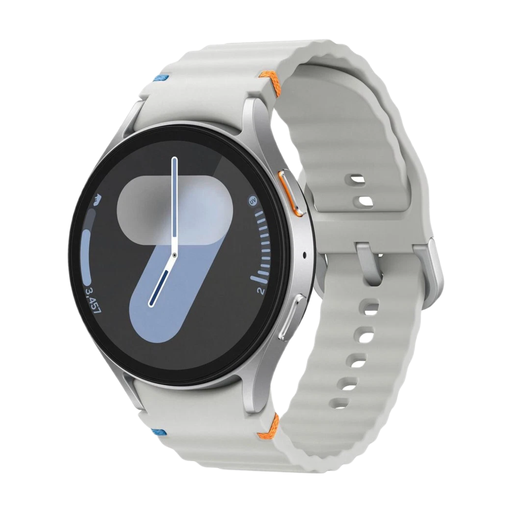
Why we recommend this product The Samsung Galaxy Watch7 stands out with its combination of a powerful 3nm processor and a highly advanced sensor array. The BioActive Sensor, featuring 13 LEDs, enables continuous and detailed health data collection. Its dual-frequency GPS (L1+L5) ensures precise location tracking, making it a suitable sports watch for demanding outdoor athletes. The integration of Wear OS provides broad app compatibility within the Android ecosystem.
Pros
Who it's for This model is designed for Android smartphone users who take a data-driven approach to their fitness and health. It is suitable for athletes who value precise GPS tracking, as well as for tech-savvy users looking for a versatile and powerful smartwatch for everyday use.
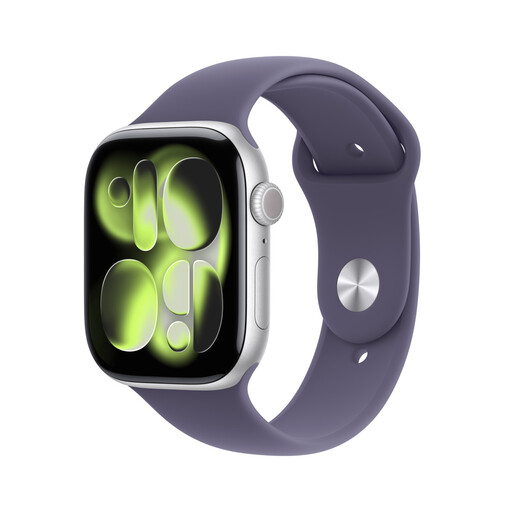
Why we recommend this product The Apple Watch Series 11 is deeply integrated into the iOS ecosystem, offering an intuitive user experience for iPhone owners. A key feature is its advanced health notifications, such as the potential to detect signs of chronic hypertension, according to Apple. The combination of advanced workout metrics, safety features like Crash Detection, and optional 5G connectivity makes it a comprehensive companion for health, fitness, and communication.
Pros
Who it's for This model is aimed exclusively at iPhone users (iPhone Xs or later with the latest version of iOS). It is ideal for individuals who want maximum integration into their existing Apple ecosystem and place a high value on proactive health notifications and a polished user interface.
Beyond monitoring personal health metrics, the world of smart devices also offers solutions for collecting other relevant data. For users interested in detailed monitoring of household consumption data, our Smart Meter category provides further information and product overviews.
1. How accurate is the health data from a smartwatch? Data collected by a smartwatch, such as heart rate, blood oxygen, or sleep stages, is designed for fitness and wellness purposes. It provides valuable insights and trends about your personal health. However, these devices are not certified as medical diagnostic tools and should not replace a visit to the doctor. Features like the ECG app can provide indications that should be discussed with a medical professional.
2. What should I look for in a water-resistant smartwatch? Water resistance is typically rated in ATM (atmospheres). A rating of 5 ATM means the watch is suitable for shallow-water activities like swimming in a pool or the ocean. However, it should not be worn for scuba diving or water skiing. The IP68 certification confirms protection against continuous submersion under manufacturer-defined conditions, as well as complete protection from dust. It is important to note that seals can wear out over time.
3. Can I use a smartwatch without a smartphone? Functionality depends on the model. All smartwatches require a smartphone for initial setup and synchronisation. Models with built-in GPS can track outdoor activities like running or cycling without a connected smartphone. "Cellular" or "LTE/5G" models have their own mobile connection (eSIM) and can make calls, receive messages, and stream data even when the smartphone is not nearby. This requires a separate mobile data plan.