
Lieferung heute & morgen

Qualitätsgarantie
App herunterladen
Kategorien
Choosing a smartwatch in 2026 requires an analysis of technical specifications and your intended use case. These devices vary significantly in their feature sets, battery life, and compatibility. This guide provides a structured overview of the key criteria to help you make an informed decision.
Defining your personal requirements is the first step. Whether your focus is on sports, health monitoring, or extending your smartphone's functionality will determine the most relevant features.
Compatibility with your smartphone is fundamental. Most smartwatches are optimised for either Android or iOS. An Apple Watch, for example, unlocks its full potential exclusively when paired with an iPhone. Models from other manufacturers often offer broader compatibility, although the range of features may vary between operating systems. Bluetooth connectivity is standard, while models with integrated cellular (LTE/5G) allow for standalone use without a smartphone.
A smartwatch with long battery life is a common search criterion. Runtimes vary from approximately 18–36 hours for feature-rich models with always-on displays to several weeks for devices that focus on basic functions. The intensity of use, particularly the activation of GPS and screen brightness, significantly impacts the actual duration.
Modern smartwatches predominantly use AMOLED or OLED displays. These technologies offer high contrast and vibrant colours while maintaining excellent energy efficiency. Brightness, measured in nits, is an indicator of readability in direct sunlight. An always-on display permanently shows the time and other information, but this increases battery consumption.
For many users, a smartwatch serves as a health watch or fitness watch. Standard features include heart rate monitoring (heart rate monitor), step counting, and calorie consumption analysis. Advanced models offer additional sensors for:
The device's resilience is crucial for sports activities and daily use. A water-resistant smartwatch is identified by an ATM (atmospheres) rating. For example, 5 ATM means the watch is suitable for swimming in shallow water. The IP rating (e.g., IP68) defines its protection against dust and water. Materials like sapphire crystal for the display and cases made of titanium or stainless steel enhance durability.
Other useful features include a watch with a payment function (NFC) for contactless payments, integrated GPS modules for precise tracking of running or cycling routes (GPS watch), and the ability to reply to notifications or take calls directly from your wrist.
Based on an analysis of technical specifications and feature sets, we present a selection of models here.
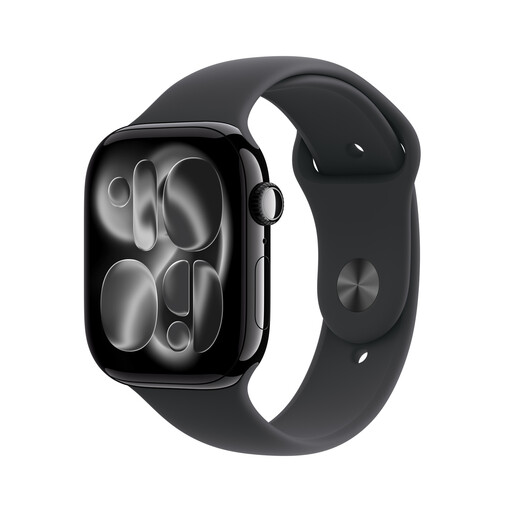
Why We Recommend This Product The Apple Watch Series 11 integrates seamlessly into the Apple ecosystem, offering a comprehensive suite of health and fitness features. The ability to take an ECG and receive notifications for signs of high blood pressure positions it as an advanced everyday health watch.
Pros
Who It's For This model is designed for iPhone users seeking a versatile everyday companion with a strong focus on detailed health monitoring and seamless smartphone integration.
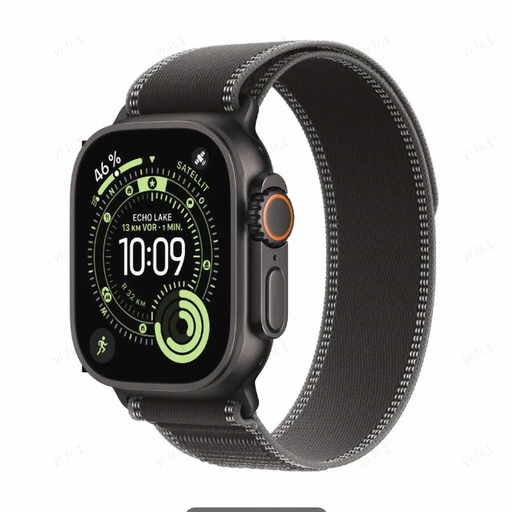
Why We Recommend This Product The Apple Watch Ultra 3 is engineered for extreme conditions and endurance sports. Its titanium case, sapphire crystal display, and water resistance up to 100 metres make it a rugged sports watch. The extended battery life and precision dual-frequency GPS are optimised for long adventures and competitions.
Pros
Who It's For This model is aimed at extreme athletes, adventurers, and outdoor enthusiasts who require the utmost in durability, battery life, and specialised tracking features within the Apple ecosystem.
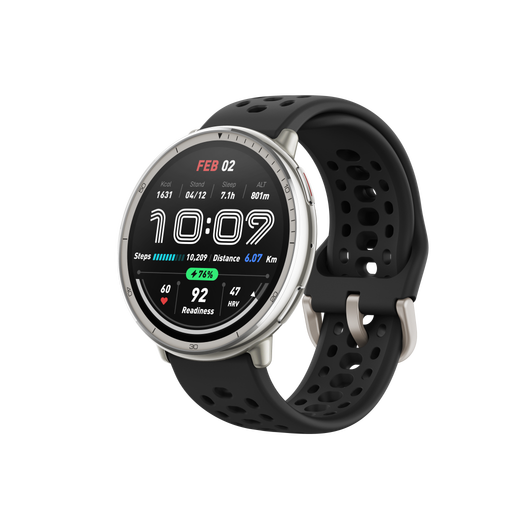
Why We Recommend This Product The Amazfit Active 2 stands out for its cross-platform compatibility (Android & iOS) and a remarkable battery life of up to 10 days. With over 160 sports modes and integrated GPS, it offers a broad spectrum of tracking capabilities at an attractive price point.
Pros
Who It's For This model is an excellent choice for users who value very long battery life, a wide variety of sports modes, and the flexibility to use the watch with both Android smartphones and iPhones.
If the models presented don't exactly meet your requirements, you can find a wider selection of devices compatible with Apple products in our Smartwatch for iOS category, as well as other models for different operating systems and use cases.
What is the difference between a smartwatch and a fitness watch? The lines are often blurred. A classic fitness watch focuses primarily on tracking sports activities and health data like heart rate and sleep. A smartwatch, on the other hand, offers advanced features such as displaying notifications, installing apps, mobile payments, and often cellular connectivity, making it an extension of your smartphone on your wrist.
How accurate is the health data from a smartwatch? The sensors in modern smartwatches provide precise data for wellness and fitness purposes. Heart rate and SpO2 measurements offer good reference values. While features like the ECG are technologically advanced, smartwatches are not medical devices. The data collected is for informational purposes and should not be used for self-diagnosis or as a substitute for professional medical advice.