
Lieferung heute & morgen

Qualitätsgarantie

Willkommens-Angebote freischalten: KOSTENLOSE Lieferung | Bis zu 80 % RABATT | Kostenlose 30-Tage-JoyPlus-Testphase
App herunterladen
A smoothie maker, often called a personal blender, is a convenient solution for quickly preparing nutritious drinks. Whether for an energy-boosting start to the day, a post-workout protein shake, or a healthy snack at the office, these compact appliances are designed for efficiency and ease of use. However, the market offers a wide variety of models with different features. This guide will help you understand the technical specs and make an informed decision that suits your lifestyle and needs.
Choosing the right appliance depends on your personal usage habits. Instead of being swayed by marketing claims, it's wise to focus on objective criteria. Here are the key factors you should consider.
The motor power, measured in watts, is a crucial indicator of a blender's performance. It determines how well the appliance can handle different ingredients.
A key advantage of smoothie makers is their compact size. Most models are designed as to-go smoothie makers, where the blending cup doubles as a travel cup.
A good mini blender should not only be powerful but also safe and easy to use.
Based on the criteria above, we've compiled a selection of models that cover a range of different needs.
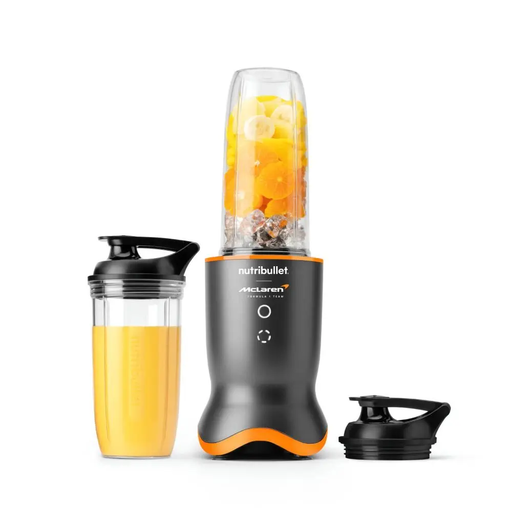
Why It Stands Out: The nutribullet Ultra combines very high motor power with noise-reduced operation. According to the manufacturer, its lower operating frequency makes it one of the quietest blenders in its class. The titanium-coated blades are designed for durability and efficiency.
Pros:
Best For: Users looking for a powerful yet quiet smoothie blender who also value high-quality construction. Ideal for anyone who regularly blends tough ingredients.
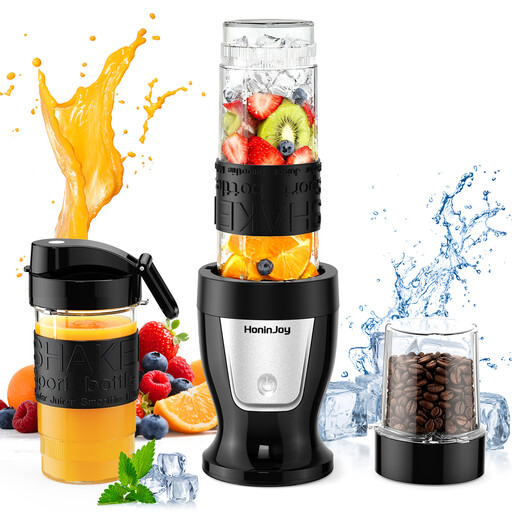
Why It Stands Out: This model stands out for its versatility. In addition to two on-the-go blending cups, a separate grinding cup is included for grinding coffee beans or spices. The thoughtful safety system with three micro-switches ensures safe handling.
Pros:
Best For: Budget-conscious users and beginners looking for a multi-functional appliance for smoothies, shakes, and grinding dry ingredients. Well-suited for smaller kitchens or as a first-time blender.
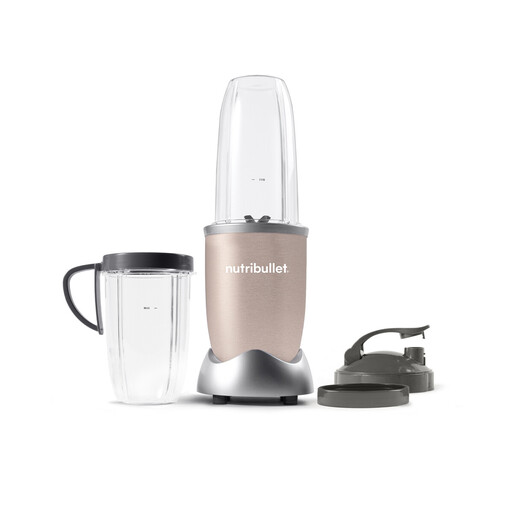
Why It Stands Out: The nutribullet Pro offers a balanced combination of power, capacity, and ease of use. With 900 watts, it has enough power for most everyday tasks, including processing frozen fruit and nuts. The simple push-to-blend operation is intuitive and straightforward.
Pros:
Best For: People looking for a reliable and straightforward personal blender for daily use. A great choice for anyone who wants proven performance without unnecessary frills.
The models featured here cover a wide range of needs. However, if you have specific requirements, such as an appliance primarily designed for processing very hard, frozen fruit, there are other alternatives to explore.
For a wider selection of appliances designed specifically for this demanding task, take a look at our frozen fruit blender category.
The required wattage depends on the ingredients you plan to blend. For soft fruits and leafy greens, models with 300 to 600 watts are sufficient. If you regularly blend tough ingredients like frozen fruit, ice cubes, nuts, or fibrous vegetables (e.g., kale), a high-performance blender with 900 watts or more is recommended to achieve a consistently smooth and creamy texture.
Yes, many smoothie makers can crush ice, but this capability depends directly on the motor power and blade quality. Models with at least 900 watts of power and sturdy stainless steel blades are best suited for this task. With less powerful models, attempting to crush ice can overload the motor or lead to uneven results.