
Lieferung heute & morgen

Qualitätsgarantie

Willkommens-Angebote freischalten: KOSTENLOSE Lieferung | Bis zu 80 % RABATT | Kostenlose 30-Tage-JoyPlus-Testphase
App herunterladen
Soba noodles, also known as buckwheat noodles, are becoming increasingly popular in kitchens. They are a versatile ingredient in Asian cuisine and offer a compelling alternative to traditional wheat noodles. However, with a growing selection on the market, choosing the right product can be overwhelming. This article serves as a guide. It highlights the key characteristics of soba noodles and presents a selection of products to simplify your purchasing decision.
To find the right buckwheat noodles for your needs, a few objective criteria can help.
The characteristic, slightly nutty flavour of soba noodles comes from buckwheat flour. The percentage of this flour in the product is a crucial quality indicator.
Not all Asian noodles are created equal. Consider which dishes you plan to make with the noodles.
If you prepare soba noodles regularly, a larger, bulk package can be more economical. For occasional use or for trying a new recipe, a smaller package of 300g to 500g is often sufficient to prevent food waste.
Here is a selection of products that stand out for their specific qualities. The descriptions are based on manufacturer information to provide an objective basis for your decision.
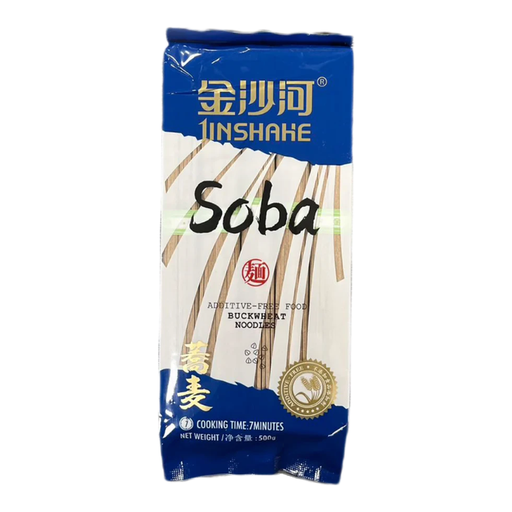
Why It Stands Out: With a buckwheat flour content of ≥30%, these noodles offer a balanced blend. They combine the nutty flavour of buckwheat with the familiar texture of wheat noodles, making them a versatile product for a wide range of dishes.
Pros:
Who It's For: Those who are new to the taste of buckwheat noodles or prefer a milder option for everyday use. Their versatility makes them suitable for warm soups and cold salads.

Why It Stands Out: With a buckwheat flour content of ≥50%, these noodles are aimed at enthusiasts who love a strong buckwheat flavour. The addition of 3% yam flour is a unique feature that, according to the manufacturer, contributes to a firm and smooth texture.
Pros:
Who It's For: Experienced soba noodle connoisseurs who appreciate a pronounced buckwheat taste. The bulk package is ideal for households where Chinese noodles and other Asian dishes are a frequent staple.
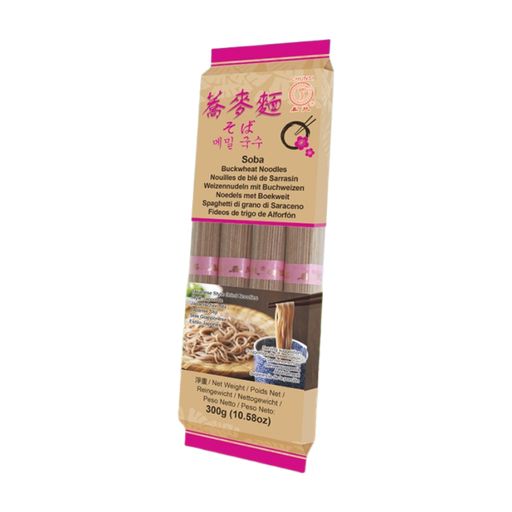
Why It Stands Out: At 15% buckwheat flour, these noodles have the lowest percentage in this selection. According to the manufacturer, they are free from artificial colours, flavours, or preservatives. The short cooking time of 4–5 minutes makes them a convenient option.
Pros:
Who It's For: Individuals looking for a noodle with a very mild buckwheat note and a texture that is very close to wheat noodles. This product is also a great choice for novice cooks who want to try straightforward buckwheat noodles.
If the products featured here don't quite meet your needs, or if you are curious about other varieties, you might find the right product in our wider selection.
? Discover our full range of buckwheat noodles
Most soba noodles available on the market are not gluten-free, as they contain a mix of buckwheat and wheat flour. Buckwheat itself is gluten-free, but the addition of wheat flour (which contains gluten) is common to make the noodles more elastic and less brittle. Therefore, individuals with coeliac disease or gluten sensitivity should always check the ingredients list and look for products explicitly labelled as "100% Buckwheat" or "gluten-free."
The preparation is straightforward but requires a bit of attention.
The main difference lies in the ingredients. Soba noodles are defined by their use of buckwheat flour. Other well-known Asian noodles have a different base: