
Lieferung heute & morgen

Qualitätsgarantie

Willkommens-Angebote freischalten: KOSTENLOSE Lieferung | Bis zu 80 % RABATT | Kostenlose 30-Tage-JoyPlus-Testphase
App herunterladen
A socket set, also known as a ratchet set, is a fundamental tool system for tightening and loosening threaded fasteners. Its efficiency stems from the ratchet mechanism, which eliminates the need to reposition the tool. Selecting the right set depends on precise technical requirements and the specific application, whether it's for automotive repair, machine maintenance, or general DIY projects. This guide analyses the crucial parameters for making an informed decision.
The decision for a socket set should be based on an analysis of objective features. The following technical specifications are critical for the tool's functionality and durability.
The drive size, specified in inches, defines the interface between the ratchet and the socket. It largely determines the range of applications and the amount of force that can be transferred.
The number of teeth in the ratchet head determines the minimum angle of movement (swing arc) required to engage the next tooth.
The durability of a socket set is determined by the material used. Chrome Vanadium Steel (CrV) is the industry standard for sockets and ratchets. This alloy offers high strength, toughness, and resistance to corrosion. A polished or matte chrome-plated finish facilitates cleaning and provides additional protection against rust.
In addition to the classic manual ratchet set, specialised versions exist for specific requirements:
Based on the technical criteria mentioned, we present three different systems, each designed for specific requirement profiles.
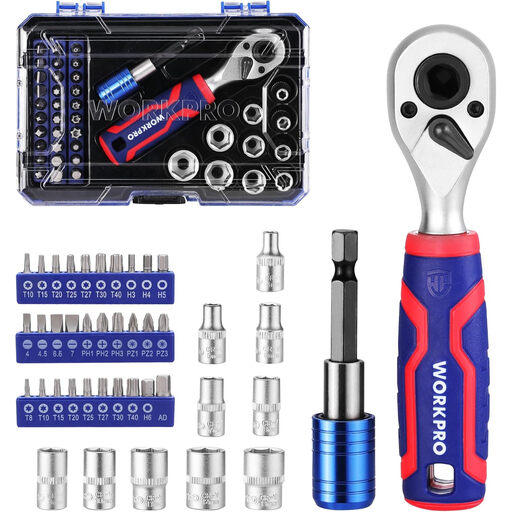
Product Feature Analysis: This set is distinguished by its dual functionality. The 1/4-inch ratchet serves as both a socket drive and a bit holder. Its 72-tooth mechanism, with a 5° swing arc, enables efficient work in the tightest of spaces. The magnetic bit holder with a quick-release function allows for rapid changes of attachments.
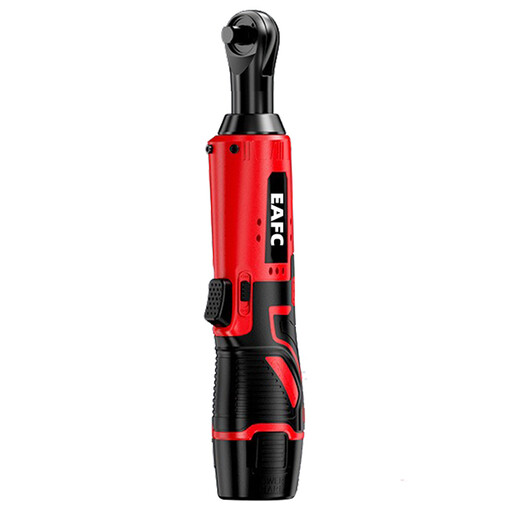
Product Feature Analysis: This cordless ratchet with a 3/8-inch drive is designed to accelerate fastening tasks. It delivers a maximum torque of 45 Nm. The variable speed control allows for precise regulation of the rotation speed. With a head diameter of just 3 cm and integrated LED lighting, it is optimised for use in poorly accessible and dark areas, such as an engine bay.
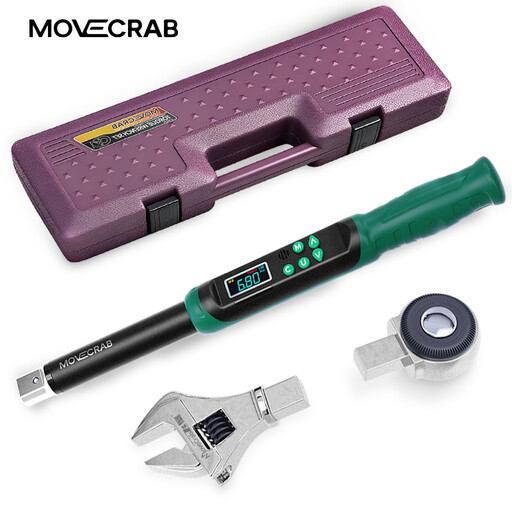
Product Feature Analysis: This digital torque wrench offers high precision of ±2% in the 6.8 to 135 Nm range. The system features interchangeable heads (ratchet and open-end wrench), which increases its application versatility. The digital display shows torque in real-time and allows conversion between four units (N.m, kg.cm, ft.lb, in.lb). Modes such as Peak and Track, along with audible and visual alerts, prevent over-tightening of fasteners.
Should the models presented here not fully meet your specific requirements, a broader selection of tool sets may offer suitable alternatives. You can find a comprehensive range of manual and electric tools in our Ratchet Set category.
1. What is the functional difference between a 1/4-inch and a 3/8-inch drive? The 1/4-inch drive is designed for delicate tasks with low torque where precision is paramount. The 3/8-inch drive is an all-rounder that offers a good balance between compactness and power transmission, making it suitable for most general repair and maintenance jobs, especially on cars.
2. When is a torque wrench absolutely necessary? A torque wrench is essential for all threaded connections where the manufacturer specifies an exact tightening torque. This applies to safety-critical components such as lug nuts, cylinder head bolts, or suspension parts. Incorrect torque can lead to material fatigue, component failure, or the loosening of the connection.
3. Can a cordless ratchet completely replace a manual ratchet? A cordless ratchet does not completely replace a manual ratchet but rather complements it. It is ideal for quickly driving and removing fasteners. The final tightening to a high torque or breaking loose a very tight fastener often requires the greater leverage and tactile feedback of a manual ratchet or a torque wrench.