
Lieferung heute & morgen

Qualitätsgarantie

Willkommens-Angebote freischalten: KOSTENLOSE Lieferung | Bis zu 80 % RABATT | Kostenlose 30-Tage-JoyPlus-Testphase
App herunterladen
A soda maker at home is a game-changer: fresh sparkling water on demand, less plastic waste, and no more lugging heavy crates. But to turn that water into a delicious soft drink, choosing the right syrup is key. The selection is vast, with significant differences in flavour, ingredients, and yield.
This guide is here to help. We'll introduce different types of syrups for soda makers and highlight the key criteria to consider when making your choice. Our goal is to provide you with a solid foundation for your purchasing decision.
Before you decide on a product, a few considerations can help you find the perfect drink concentrate for your needs.
A syrup's concentration determines how many litres of finished drink you can make from one bottle. A high mixing ratio, such as 1:80, means you only need a small amount of syrup for a lot of water. This is not only economical but also reduces packaging waste per litre of drink. Common ratios also include 1:19 or 1:23. Pay attention to the manufacturer's specifications to compare the actual yield and, consequently, the cost per litre.
The syrup's composition is a crucial factor, especially for health-conscious users, families, or athletes.
From classic cola syrup and various fruit flavours to exotic blends, the variety is immense. Whether you're looking for an authentic fruit syrup for water or a replica of your favourite soft drink, the selection is vast. Many brands, including SodaStream syrup, offer a wide range that brings variety to your daily routine.
Here, we present a selection of products that cater to different needs and flavour preferences.

Why it stands out: This drink concentrate is notable for its high yield. With a mixing ratio of 1:80, a 1-litre bottle produces up to 80 litres of finished drink, according to the manufacturer. The formula is sugar-free and contains added vitamins.
Pros:
Who is it for? For budget-conscious households and individuals looking for a sugar-free, high-yield syrup with added vitamins.
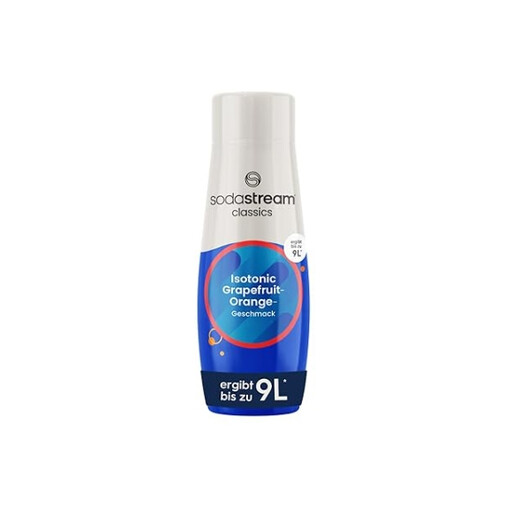
Why it stands out: This syrup is specially designed for the needs of active people. The isotonic formula with a grapefruit-orange flavour contains magnesium and vitamin C.
Pros:
Who is it for? For athletes and active individuals who prefer a drink for fluid and mineral replenishment during or after a workout.
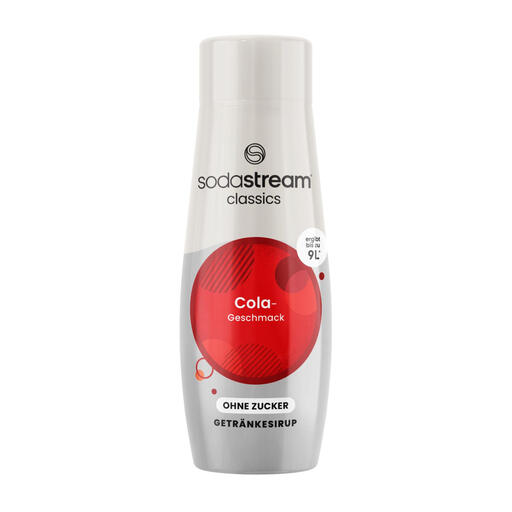
Why it stands out: This sugar-free syrup offers the classic cola taste for anyone wanting to avoid sugar and calories. It's a direct alternative for fans of the famous soft drink.
Pros:
Who is it for? For anyone who loves the taste of cola but is looking for a sugar-free, low-calorie alternative for their soda maker.
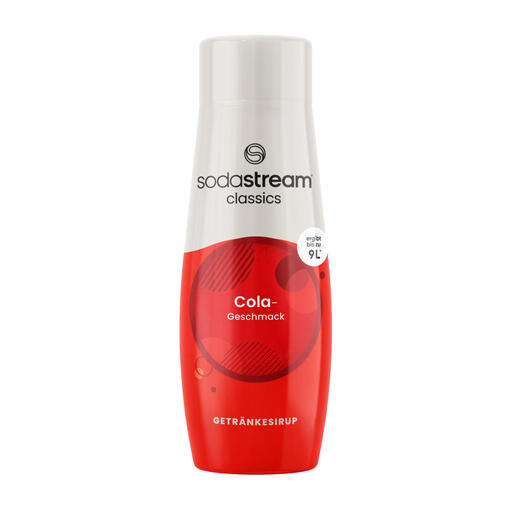
Why it stands out: This is the classic version of the Cola Syrup from SodaStream. It uses a blend of sugar and sweeteners to create the traditional taste.
Pros:
Who is it for? For users who prefer the original cola taste and for whom sugar content is not the primary decision-making factor.
The products featured here cover only a small part of the available range. If you want to discover more flavours or special syrup varieties, you'll find a wider selection in our broader category.
Discover our entire range of syrup drinks here
1. How long does an opened syrup for soda makers last? After opening, most syrups should be stored in a cool place, ideally in the refrigerator. The exact shelf life varies by manufacturer and product. As a general rule, it is recommended to use up the opened bottle within 4 to 8 weeks. Always refer to the information on the product label.
2. Can you use any syrup with a soda maker? In principle, many syrups can be used, but products specifically designed for soda makers are optimised in their consistency and concentration. They often mix better with carbonated water and are tailored to common dosage recommendations.
3. How do you correctly mix syrup into sparkling water? The correct order is crucial to prevent fizzing over. Always carbonate the plain tap water first. Only then, slowly add the syrup to the bottle, preferably by holding it at a slight angle. Afterwards, gently swirl the bottle to mix the syrup. Vigorous shaking is not necessary and can cause it to bubble over.