
Lieferung heute & morgen

Qualitätsgarantie

Willkommens-Angebote freischalten: KOSTENLOSE Lieferung | Bis zu 80 % RABATT | Kostenlose 30-Tage-JoyPlus-Testphase
App herunterladen
Solar lights promise an easy and cost-effective way to bathe gardens, balconies, and patios in atmospheric light. But the market is flooded with products whose performance often fails to live up to their packaging's promises. Before you invest, it's crucial to know the common pitfalls—problems that often don't surface until a few weeks of use or after the first heavy rain.
This guide will help you separate the wheat from the chaff. We focus on the critical technical features that define durable and reliable solar garden lighting and show you what to look for to avoid disappointment.
Many buyers find that their new lights lose performance or fail completely after just a short time. This is usually due to three common weaknesses that manufacturers often don't disclose.
To avoid a bad purchase, you shouldn't be guided by marketing promises, but by verifiable technical data. Three metrics are particularly important.
The IP (Ingress Protection) rating indicates how well a housing is protected against the ingress of foreign objects (first digit) and water (second digit).
outdoor solar lights that are exposed to the elements year-round. Products with this rating are significantly more robust and durable.The combination of battery and panel determines how long your light will shine.
The lighting effect is crucial for the atmosphere.
solar balcony lighting or patio lighting. Values around 4000 K (neutral white) or 6500 K (cool white) are better suited for functional lighting, such as with a solar garden spotlight for illuminating paths.Instead of making a one-size-fits-all recommendation, we have selected products for different use cases that meet the quality criteria mentioned above.
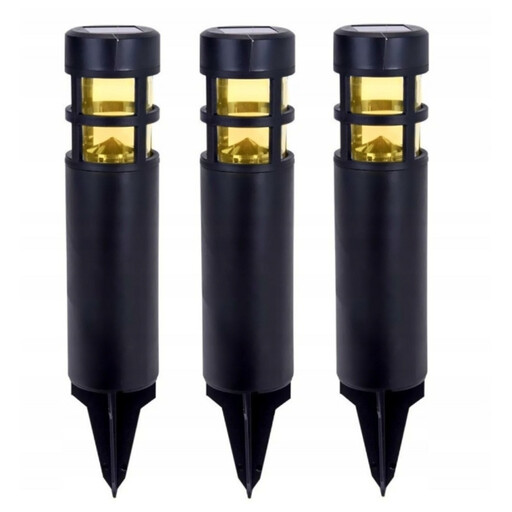
Why it's a good fit: Ideal for anyone looking to add initial accents to their garden or planters with minimal effort and a small budget. Installation is incredibly simple: just stake them into the ground.
This set doesn't make unrealistic promises. It's designed for simple, decorative ambient lighting, not for bright, all-night illumination. Expectations are correctly aligned with its intended use case.
Extremely easy to use thanks to ground stakes and an integrated dusk-to-dawn sensor that automatically activates the lights after dark.
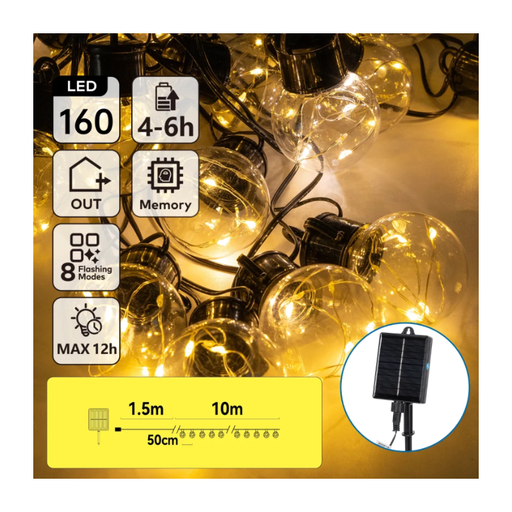
Why it's a good fit: Perfect for creating an ambient atmosphere on a patio, balcony, or for garden parties. The 10-metre long outdoor solar string light with warm white light and 8 different lighting modes offers plenty of creative freedom.
This product tackles the problem of poor weather resistance with an explicit IP65 certification. This makes it dust-tight and protected against water jets, allowing for year-round outdoor use and preventing weather-related failures.
The combination of a high protection rating (IP65), a solid 1200mAh lithium battery, and 8 lighting modes provides a flexible and durable decorative solution.
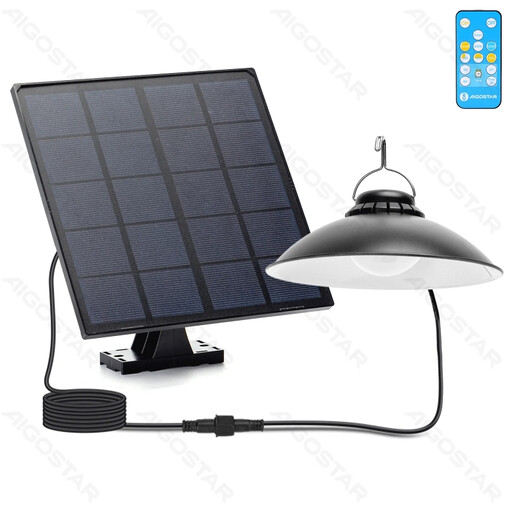
Why it's a good fit: The ideal solution for locations without a power outlet that require reliable and bright illumination, such as garden sheds, covered patios, or carports. The separate solar panel allows for optimal alignment with the sun, while the lamp hangs in the shade.
This model addresses the pitfall of short lifespans and insufficient charging. It uses a high-quality 5000mAh LiFePO4 battery, known for its longevity. The external panel maximises energy harvesting, even in sub-optimal light conditions.
Flexibility thanks to the 3-metre cable between the panel and the light, as well as the adjustable light colour (3000K/4000K/6500K) for customisable illumination.
For more specific needs, such as lighting a garden shed, we have compiled a selection of products suitable for DIY solutions that meet our strict criteria.
Yes, but with limitations. High-quality LED solar lights with efficient polycrystalline or monocrystalline panels will also charge on cloudy and short winter days. However, the runtime will be significantly shorter compared to the summer. Expect a few hours of light in winter, not the entire night.
The lifespan heavily depends on the quality of the components. The battery is the crucial factor. Cheap NiMH batteries often need to be replaced after 1-2 years. Models with permanently installed lithium-ion or LiFePO4 batteries generally last longer (3-5 years or more) but often cannot be easily replaced. A robust construction (e.g., with IP65) and high-quality materials significantly extend the life of the housing.
That depends on the IP rating. Lights with IP65 or higher are designed for year-round outdoor use and can be left outside. Models with a lower rating (e.g., IP44) should be brought indoors during heavy frost or snow to prevent damage to the electronics and battery. Regardless, it is advisable to occasionally wipe the solar panel clean of snow and dirt with a soft cloth to maintain charging efficiency.