
Lieferung heute & morgen

Qualitätsgarantie

Willkommens-Angebote freischalten: KOSTENLOSE Lieferung | Bis zu 80 % RABATT | Kostenlose 30-Tage-JoyPlus-Testphase
App herunterladen
Choosing a new electric toothbrush can be a challenge given the vast array of models and technologies available. A clear guide is especially helpful when you have specific needs, such as caring for sensitive gums, achieving visible teeth whitening, or ensuring thorough plaque removal.
This article serves as an objective guide to help you choose the right sonic toothbrush. We will present various models and their features impartially, enabling you to make an informed decision that meets your personal oral hygiene needs.
To find the perfect device, several technical features and functions should be considered. The following points will guide your purchasing decision.
Modern sonic toothbrushes offer more than just a standard cleaning mode. Look for models with various programmes tailored to specific needs.
The ability to also adjust the intensity within a mode offers an even greater degree of personalisation.
Intelligent features can lead to lasting improvements in your brushing habits and help protect your gums.
The brush head is the core component of the cleaning process. Its shape, bristle material, and arrangement are crucial for the final result. Models with small, rounded heads often reach the back molars more easily. Soft, rounded bristles are gentler on the gums.
A long battery life of several weeks is especially convenient for travel and reduces the need for frequent charging in daily life. Modern charging options like magnetic mounts or USB-C ports offer added convenience.
Based on the criteria mentioned above, we have compiled a selection of models that stand out for their specific features and technologies.
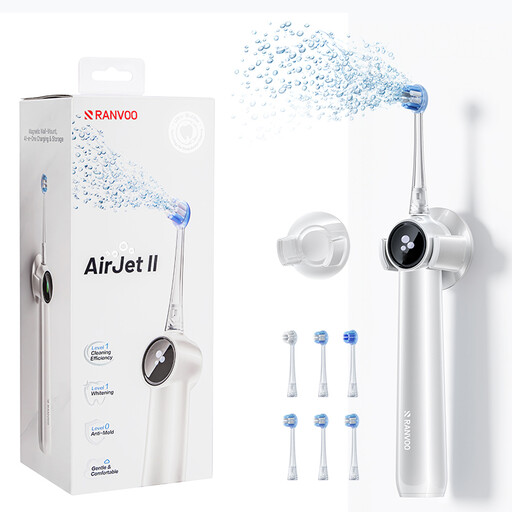
Why it stands out The RANVOO AirJet II features a patented micro-bubble technology. According to the manufacturer, it generates nanometre-sized bubbles that penetrate deep between the teeth to break up plaque. Its precise 12-degree oscillation angle, combined with ultra-soft DuPont bristles, is designed for a gentle yet effective clean.
Benefits
Who is it for? Users looking for innovative cleaning technology who also value hygienic storage and an exceptionally long battery life. The included set of brush heads with varying firmness levels allows for individual customisation.
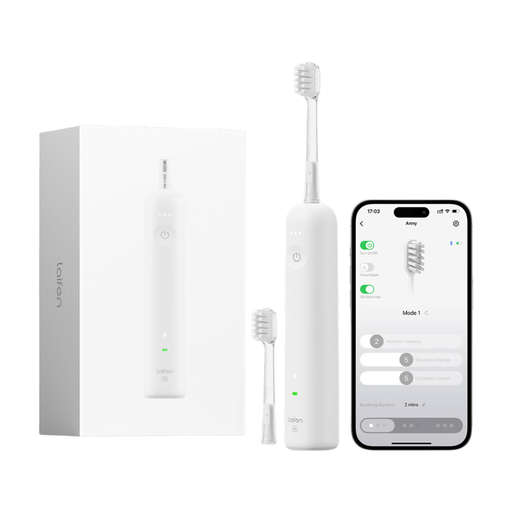
Why it stands out The Laifen Wave Special combines a 60-degree oscillation with high-frequency vibrations. This dual-motion action is designed to mimic the dentist-recommended modified Bass brushing technique to reach even the most difficult areas. Its standout feature is the high level of customisation available through the electric toothbrush with an app.
Benefits
Who is it for? Tech-savvy users who want to personalise their oral care down to the finest detail. The extensive customisation options via the app make this model a flexible tool for demanding users.
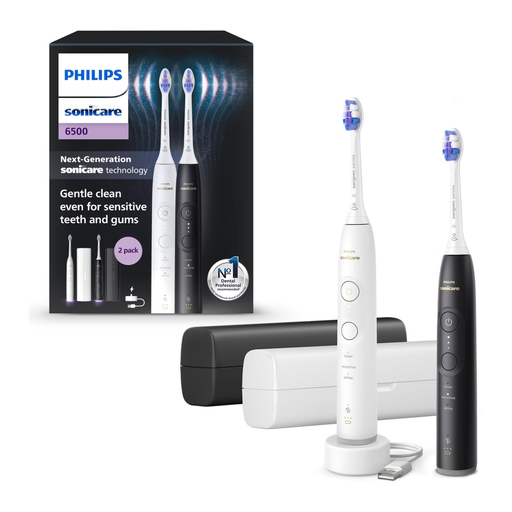
Why it stands out As a model from the established Philips Sonicare line, this device uses the brand's renowned sonic technology with up to 62,000 brush movements per minute. It combines proven performance with smart features like visual pressure control and app connectivity for guided cleaning.
Benefits
Who is it for? Users who trust an established brand and are looking for a balanced combination of cleaning performance, gum protection, and smart coaching features. It's ideal for individuals who want to actively improve their brushing technique.
If you haven't found the right model among these recommendations or are looking for compatible replacement brush heads, you can find a wider selection in our range.
? Discover more white brush heads and toothbrush models here
1. What is the difference between a sonic toothbrush and an oscillating-rotating toothbrush? A sonic toothbrush has an elongated brush head, similar to a manual toothbrush, that vibrates at a high frequency (tens of thousands of movements per minute). These vibrations create a hydrodynamic action that drives fluid and toothpaste into the spaces between teeth. Oscillating-rotating toothbrushes have a round brush head that rotates back and forth rapidly while also pulsating to mechanically loosen plaque.
2. How often should you replace the brush head on a sonic toothbrush? It is generally recommended to replace the brush head every three months. Many models feature indicator bristles that fade over time or an in-app reminder to signal when a change is due. Regular replacement is important, as worn-out bristles lose their cleaning effectiveness.
3. Can a sonic toothbrush help remove tartar? A sonic toothbrush is highly effective at removing plaque, the soft precursor to tartar. By thoroughly removing plaque daily, it can effectively prevent the new formation of hard tartar. However, existing, hardened tartar can only be completely removed by a dentist during a professional dental cleaning.