
Lieferung heute & morgen

Qualitätsgarantie

Willkommens-Angebote freischalten: KOSTENLOSE Lieferung | Bis zu 80 % RABATT | Kostenlose 30-Tage-JoyPlus-Testphase
App herunterladen
Choosing the right soy sauce can be a challenge given the sheer variety available. Whether for seasoning, marinating, or dipping, the right sauce can significantly define a dish's flavor. This guide is designed to help you make an informed decision by focusing on objective criteria like ingredients, production methods, and intended use. We will introduce a selection of products that stand out for their unique properties.
To find the perfect seasoning sauce for your kitchen, a little basic knowledge goes a long way. The following points will guide your purchase.
The production method is a crucial quality indicator. Naturally brewed soy sauce is created through a months-long fermentation process of soybeans, wheat, salt, and water. This traditional method develops complex aromas and the deep, savory flavor known as umami. In contrast, chemically produced soy sauces are often made in just a few days, which can result in a less nuanced and often saltier flavor profile. Checking the label for an indication of a natural brewing process is therefore highly recommended.
High-quality soy sauces are distinguished by a short and simple ingredient list. The four traditional main ingredients are water, soybeans, wheat, and salt. Additives like flavor enhancers, colorings, or excessive sweeteners can indicate an industrially accelerated production process. A clean and simple composition is often an indicator of an authentic product.
Japanese soy sauce (Shoyu) is known for its balanced, slightly sweet aroma, making it a versatile accompaniment to numerous dishes. It is excellent as a soy sauce for sushi, for enhancing soups, or as a base for marinades. Other Asian countries also have their own characteristic soy sauce styles, which can differ in taste, color, and consistency. The choice ultimately depends on the desired flavor profile and the specific dish you plan to prepare.
Based on the criteria above, we have curated a selection of soy sauces. These products represent different profiles and are suitable for various culinary applications.
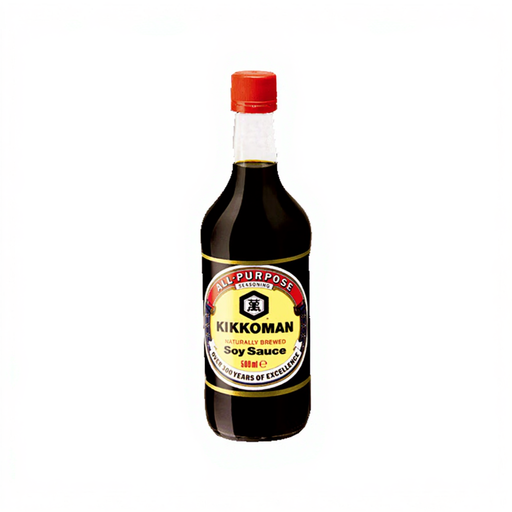
Why it stands out:Kikkoman Soy Sauce is naturally brewed according to a traditional recipe using just four ingredients: water, soybeans, wheat, and salt. Its globally recognized, rich umami flavor and mild aroma make it an all-purpose seasoning in the kitchen.
Pros:
Who it's for: This product is an excellent choice for home cooks and professional chefs looking for a reliable, all-purpose soy sauce for everyday cooking, from Asian to Western dishes.
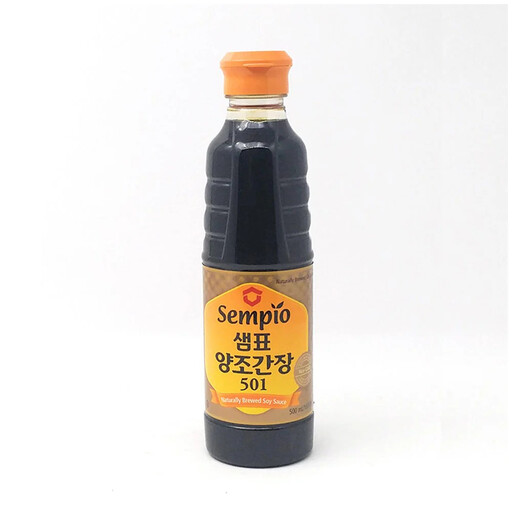
Why it stands out: Sempio is a renowned brand from Korea. This naturally brewed soy sauce is made from carefully selected soybeans and wheat, and refined through natural fermentation. It delivers an authentic, deep flavor characteristic of Korean cuisine.
Pros:
Who it's for: Ideal for lovers of Korean cuisine who want to achieve the authentic taste of dishes like Bulgogi, Japchae, or spicy stews (Jjigae). Also great for adventurous cooks looking to explore new depths of flavor.
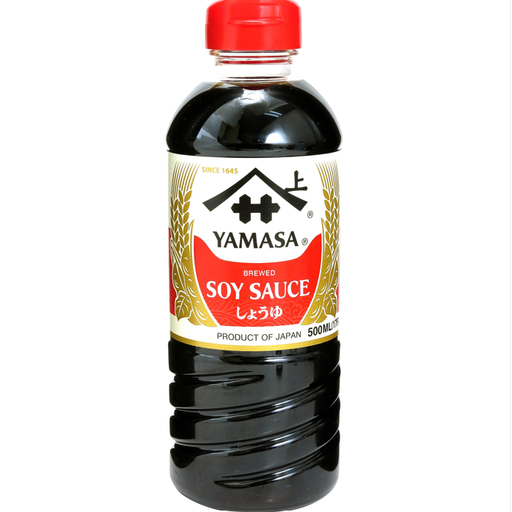
Why it stands out: Yamasa boasts a history of over 370 years in the production of Japanese soy sauce. This sauce is also naturally brewed from just the four basic ingredients. It is characterized by a distinctive reddish-brown color, a mild aroma, and an exceptionally rich umami flavor.
Pros:
Who it's for: This product is aimed at cooks who value tradition and an exceptionally refined flavor profile. It is an excellent choice for authentic Japanese cuisine and for anyone seeking a high-quality soy sauce for sushi.
Haven't found the right soy sauce for your needs, or want to explore other sizes and varieties? Our category features a wider selection of seasoning sauces for every taste and culinary application.
Discover more 500ml sauces here
Light soy sauce is thinner, saltier, and often used for seasoning during cooking, as it barely alters the color of the ingredients. Dark soy sauce is aged longer, often with the addition of molasses or caramel. It is thicker, less salty, but more intense in flavor, and is mainly used to add color to dishes and for braising.
After opening, soy sauce should be stored in the refrigerator. This slows down the oxidation process and helps preserve the sauce's aroma and quality for a longer period. Unopened, it can be stored in a cool, dark place.
Most all-purpose Japanese soy sauces (like the ones featured here) are excellent as a dip for sushi and sashimi. Their balanced profile of saltiness, sweetness, and umami complements the flavor of the fish and rice without overpowering it. Special sushi soy sauces are often slightly milder and less salty, but a good all-purpose soy sauce is an equally suitable choice.