
Lieferung heute & morgen

Qualitätsgarantie

Willkommens-Angebote freischalten: KOSTENLOSE Lieferung | Bis zu 80 % RABATT | Kostenlose 30-Tage-JoyPlus-Testphase
App herunterladen
Choosing the right soy sauce can be a challenge with the sheer variety on the shelf. Light, dark, Chinese, or Japanese varieties—each has a specific purpose in the kitchen. This guide will help you understand the differences and find the right Asian seasoning sauce for your dishes, whether you're preparing an authentic braised dish, mixing a dip, or simply looking to enhance your meals.
To make the right decision, it helps to have some basic knowledge about the different types and their uses.
The most fundamental distinction in Chinese soy sauce is between light and dark. Your choice depends on the desired result.
A traditionally brewed additive-free soy sauce consists of just a few ingredients: soybeans, wheat, water, and salt. However, many commercial products contain extra ingredients like sugar, colourings (e.g., caramel colour), preservatives, or flavour enhancers. If you prefer a pure and unadulterated taste, it's worth taking a close look at the label. Products marked "additive-free" or with a very short ingredient list are often a great choice for purists.
Define what you primarily want to use the soy sauce for.
Here is a selection of soy sauces that cover different culinary needs—from adding colour and seasoning to providing special flavours.
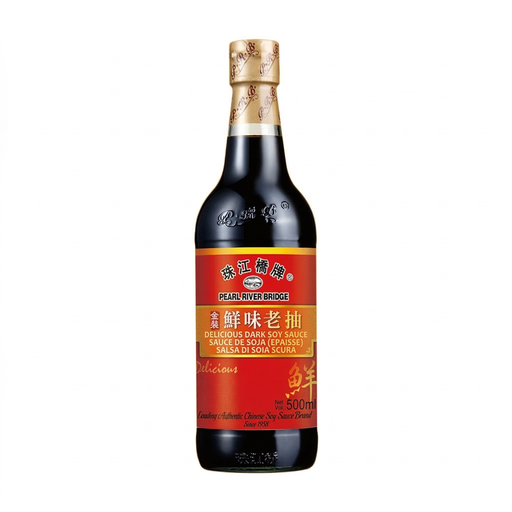
Why It Stands Out: This dark soy sauce from the Pearl River Bridge brand is a classic in Chinese cuisine. Its thick consistency and deep, dark colour are specifically designed to give dishes a rich, caramel-like gloss and a complex, savoury depth.
Pros:
Who It's For: Home cooks who want to prepare authentic Chinese braised dishes, such as braised pork belly or beef, and value an intense colour and deep flavour.
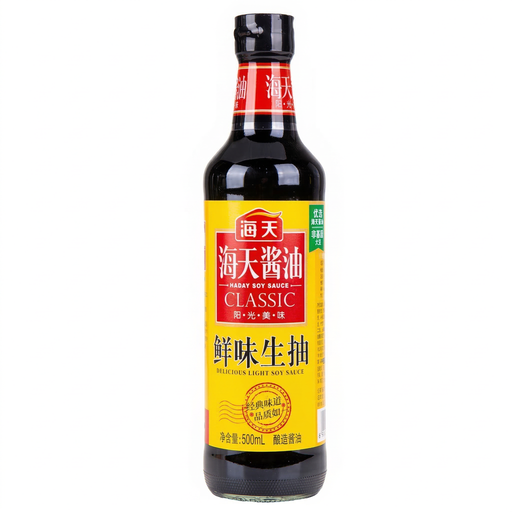
Why It Stands Out: Haday's light soy sauce is a versatile staple that belongs in every kitchen. It is characterised by its distinct umami taste and a clean, salty flavour that enhances dishes rather than overpowering them.
Pros:
Who It's For: Anyone looking for a universal light soy sauce for everyday use. It's the right choice for a quick weeknight stir-fry as well as for preparing marinades.
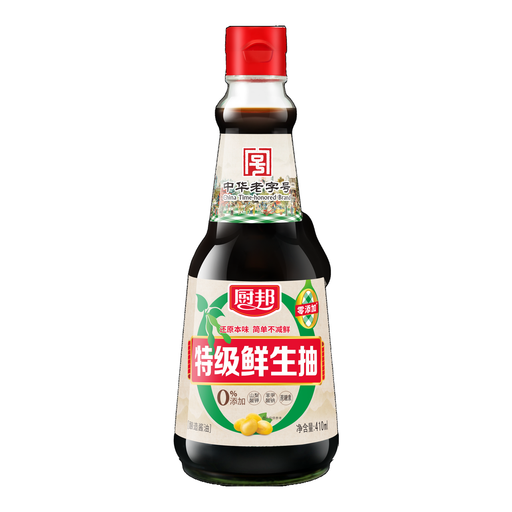
Why It Stands Out: This soy sauce from Chubang is aimed at health-conscious consumers. It is marketed as an additive-free soy sauce and, according to the manufacturer, contains no added preservatives, colourings, or flavour enhancers. Its ingredient list is short and back to basics.
Pros:
Who It's For: Health-conscious cooks and families looking for a high-quality, additive-free soy sauce for daily use, whether for cooking, dipping, or marinating.
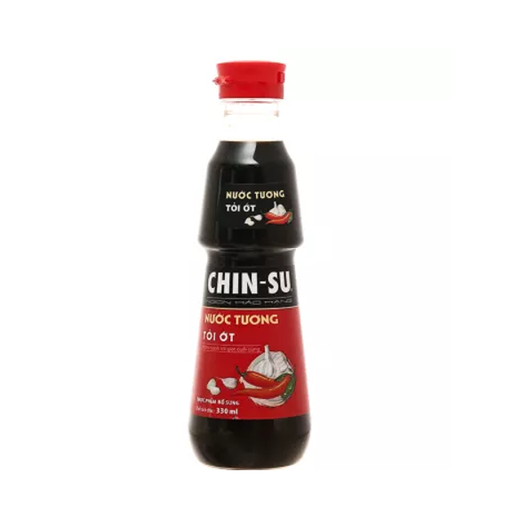
Why It Stands Out: This spicy soy sauce from Vietnam combines the salty taste of soy sauce with the aromatic heat of garlic and chilli. It's a convenient, ready-to-use sauce that instantly adds a piquant and complex note to dishes.
Pros:
Who It's For: Fans of Southeast Asian cuisine and anyone looking to effortlessly add a spicy and aromatic depth to their dishes. Perfect as a dip or for drizzling over noodle dishes and fried vegetables.
The world of soy sauce is vast and diverse. If you want to discover more varieties specifically tailored to the art of Chinese cooking, you can find a wider selection in our category.
Explore our full range of Chinese soy sauce and find the perfect seasoning for your kitchen.
1. What is the exact difference between light and dark soy sauce?Light soy sauce is thinner, saltier, and mainly used for seasoning to enhance the flavour of food. Dark soy sauce is thicker, less salty, often slightly sweet, and is primarily used to add colour to dishes, giving them a rich, brown hue.
2. How long does opened soy sauce last? Once opened, soy sauce should be stored in the refrigerator to preserve its quality and flavour. The exact shelf life varies depending on the product and its ingredients. Always check the instructions on the packaging. As a general rule, it will last for several months in the fridge.
3. Can you use any soy sauce for cooking? Generally, yes, but the result will vary. A light soy sauce adds saltiness and umami, while a dark soy sauce also contributes colour and a deeper, sweeter note. For an authentic result in braised dishes, dark soy sauce is the better choice. For light stir-fries or as a dip, a light soy sauce is often more suitable.