
Lieferung heute & morgen

Qualitätsgarantie

Willkommens-Angebote freischalten: KOSTENLOSE Lieferung | Bis zu 80 % RABATT | Kostenlose 30-Tage-JoyPlus-Testphase
App herunterladen
Standing in front of the soy sauce aisle, do you ever wonder which bottle is right for your recipe? The selection can seem overwhelming at first glance: light, dark, reduced-sodium, gluten-free. Each variety has its own unique characteristics and is suited for different culinary purposes.
This guide is designed to make your decision easier. We'll introduce different types of soy sauce and provide practical criteria to help you find the perfect option for your kitchen—whether you're preparing sushi, marinating meat, or finishing a stir-fry.
To make the right choice, it helps to understand a few fundamental differences. The following points will help you better assess product features.
The two most famous types of Japanese soy sauce are Shoyu and Tamari. The distinction is crucial for both flavour and use.
The salt in soy sauce serves not only for flavour but also as a preservative. Standard soy sauces often contain between 14 and 18 grams of salt per 100 ml. For a more health-conscious diet or to control a dish's saltiness more precisely, a reduced-sodium soy sauce is a smart alternative. These versions deliver the full umami flavour while giving you more control over the overall seasoning.
Traditionally brewed soy sauces undergo a natural fermentation process that lasts for months. This method, often indicated by "naturally brewed" on the label, develops complex and nuanced flavours. In contrast, chemically produced soy sauces are made using a rapid process, which often results in a flatter, saltier flavour profile. A look at the ingredients list is revealing: naturally brewed sauces typically consist of just water, soybeans, wheat (for shoyu), and salt.
Based on the criteria above, we've curated a selection of soy sauces that cater to different needs.
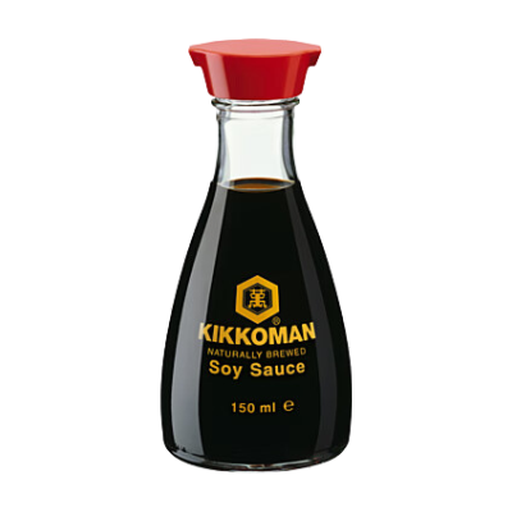
Why It Stands Out:Kikkoman Soy Sauce is a classic and the epitome of Japanese shoyu. It is naturally brewed according to a traditional recipe using only four ingredients: water, soybeans, wheat, and salt. The convenient 150ml tabletop dispenser allows for clean and precise pouring.
Pros:
Who It's For: Anyone looking for a reliable, all-purpose soy sauce for daily use. It's the ideal choice for beginners to Asian cuisine as well as experienced home cooks who value authentic flavour.
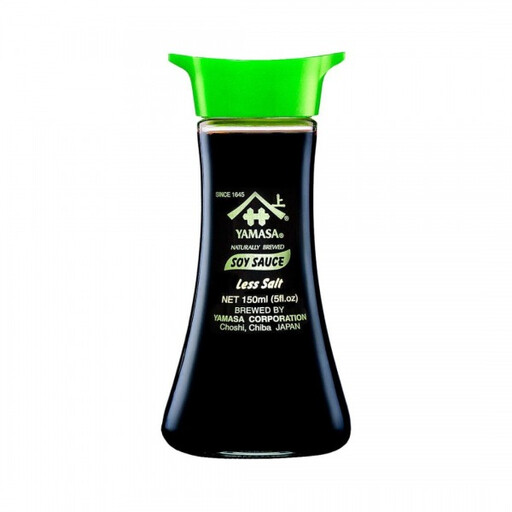
Why It Stands Out: This reduced-sodium soy sauce from Yamasa offers the rich umami flavour of a traditionally brewed sauce but with significantly less salt. According to the manufacturer, the salt content is 3.3g per 100ml, allowing for mindful seasoning without sacrificing its characteristic taste.
Pros:
Who It's For: Health-conscious consumers, families with children, and any cook who wants to precisely control the salt level in their dishes without compromising on taste.
View Yamasa Reduced-Sodium Soy Sauce Now
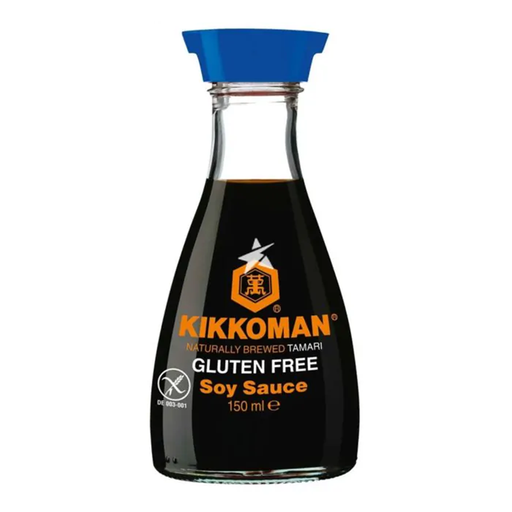
Why It Stands Out: This sauce is a gluten-free soy sauce of the Tamari type. It is made without wheat, making it an excellent choice for people with celiac disease or gluten intolerance. Its flavour is smooth yet rich and full-bodied.
Pros:
Who It's For: Individuals with gluten intolerance and anyone who prefers the more intense, complex flavour of tamari. It is an excellent cooking sauce that adds exceptional depth to dishes.
View Kikkoman Gluten-Free Tamari Now
The world of seasoning sauces is vast. If you're looking for different bottle sizes, special flavours, or other Asian sauces, you might find the right product in our broader selection.
Discover More 150ml Sauces Here
1. What is the difference between light and dark soy sauce? Light soy sauce has a thinner consistency, is saltier, and is often used for seasoning during cooking or as a dipping sauce, as it doesn't significantly alter the dish's colour. Dark soy sauce is thicker, less salty, and has a slightly sweet note from a longer aging process and often the addition of molasses. It is mainly used to add colour to dishes like braised meats or fried rice. The Japanese soy sauces presented here (shoyu, tamari) are all-rounders and are not directly comparable to this Chinese classification.
2. How do I store soy sauce correctly? Unopened bottles should be stored in a cool, dry, and dark place. After opening, it is recommended to keep soy sauce in the refrigerator. This slows down the oxidation process, which can darken the colour and affect the aroma over time.
3. Can you use any soy sauce for sushi? Generally, yes, but a light, not-too-overpowering Japanese soy sauce (shoyu) is traditionally preferred for sushi. Its balanced flavour complements the delicate taste of the fish without masking it. A strong tamari or a very salty sauce might be perceived as too intense.