
Lieferung heute & morgen

Qualitätsgarantie

Willkommens-Angebote freischalten: KOSTENLOSE Lieferung | Bis zu 80 % RABATT | Kostenlose 30-Tage-JoyPlus-Testphase
App herunterladen
When temperatures drop, whether during transitional seasons or in a poorly insulated room, a quick and flexible source of heat is essential. A central heating system isn't always the most efficient solution for spot-heating a chilly bathroom, home office, or a drafty corner of the living room. This is where the portable heater comes in.
As your Joybuy Product Recommendation Officer, my goal is to provide you with a clear and objective guide to the electric heater market. This article introduces various types of fan heaters and electric heaters, helping you make an informed decision based on your needs, such as room size, desired heat distribution, and safety requirements.
Before you decide on a model, a few basic considerations will help you find the right device for your needs.
The method of heat generation is crucial for the intended application:
The power of a heater, measured in watts, should match the size of the room to be heated. A general guideline for well-insulated rooms is:
For a 15 m? area, a device with around 1500 watts would be a good choice. However, if the device is only used as a supplemental heater to an existing heat source, a lower wattage may be sufficient. A model with a thermostat is particularly energy-efficient, as it automatically switches off once the desired room temperature is reached and turns back on when it gets cooler.
Safety is of the utmost priority with any electric heater. Look for two essential, standard safety mechanisms:
Here is a selection of different models that cover various requirements for a flexible electric heater.
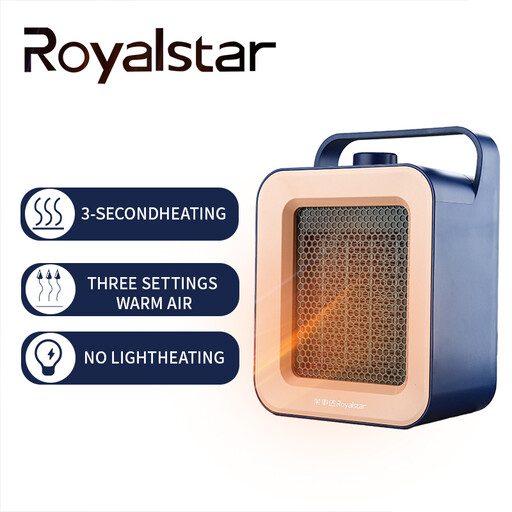
Why this model stands out: This ceramic fan heater is designed for rapid heat generation. According to the manufacturer, the PTC heating element reaches its operating temperature in just three seconds. With 1500W of power, it is capable of efficiently heating small to medium-sized rooms.
Advantages:
Who is it for? Ideal for users who need a straightforward and fast heat source for their home office, workshop, or as a supplemental heater in the living area.
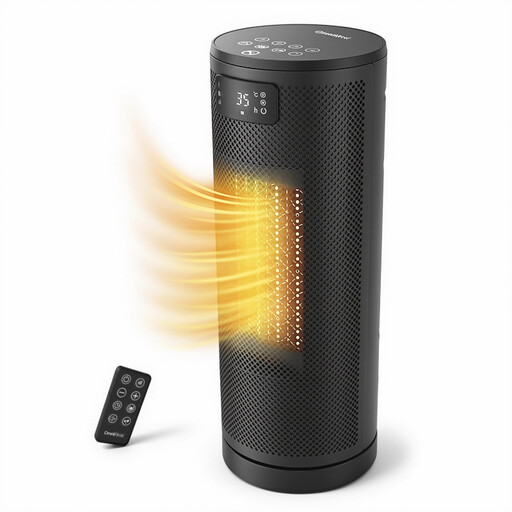
Why this model stands out: This model offers a high degree of control and convenience. It features an adjustable thermostat (5–35 °C), a remote control, and an ECO mode that automatically adjusts the heating output to the room temperature. The oscillation function ensures wider heat distribution in the room.
Advantages:
Who is it for? Suitable for users who value convenience features like a remote control, timer, and precise temperature control to heat rooms like living rooms or bedrooms according to their needs.
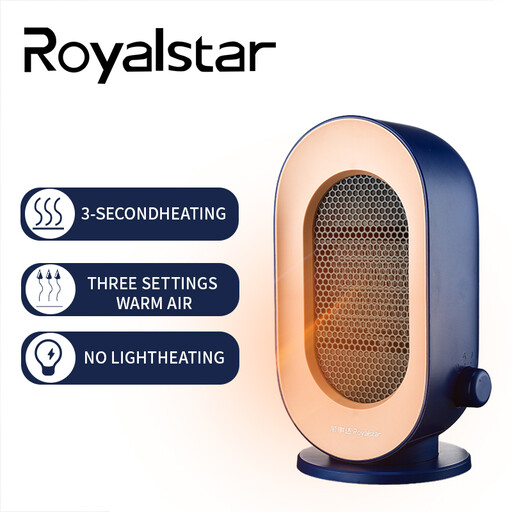
Why this model stands out: With a maximum output of 600W, this device is a very energy-saving option for your personal heating zone. Its compact size makes it perfect for a desk or footwell without having to heat the entire room.
Advantages:
Who is it for? Perfect for individuals looking for a targeted heat source directly at their workstation or on a side table, while aiming to keep power consumption low.
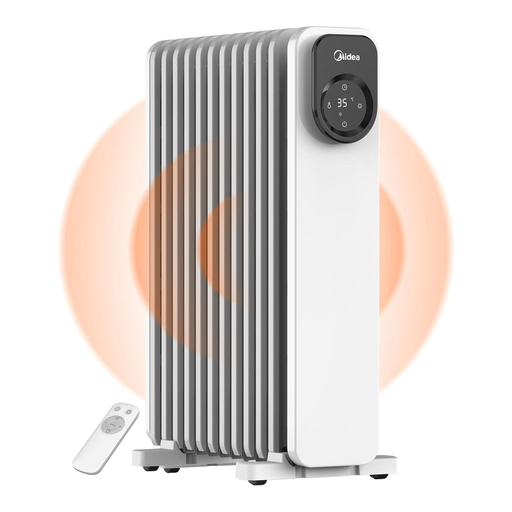
Why this model stands out: As a classic oil-filled radiator, this Midea model provides even and long-lasting warmth. With 2000W of power, it is also suitable for larger rooms. It can be operated conveniently via an LED touch panel or the included remote control.
Advantages:
Who is it for? An excellent choice for heating living rooms and bedrooms where constant, silent warmth is desired over a longer period.
If you are looking for a specialised heating solution that not only warms the room but also your towels, another device might be more suitable. Discover our selection of oil-filled electric towel warmers, which combine functionality and comfort in the bathroom.
1. How much electricity does a fan heater use? The power consumption depends directly on the wattage and the duration of use. A fan heater with 1500 watts (1.5 kilowatts) consumes 1.5 kilowatt-hours (kWh) of electricity in one hour of operation. Assuming an electricity price of 30 cents/kWh, this would result in a cost of 45 cents per hour. Models with a thermostat or ECO mode help to reduce consumption, as they only switch on when needed.
2. Is a ceramic heater better than one with a heating coil?Ceramic heaters use PTC heating elements that self-regulate their temperature and do not get as hot as traditional heating coils. This often results in a longer lifespan and more even heat output. Additionally, the air is dried out less, and fewer dust particles are burned, which can improve the air quality in the room.
3. Can you leave a fan heater running unattended? Although modern devices are equipped with important safety features like tip-over protection and overheat protection, most manufacturers advise against running such a device unattended for long periods, especially overnight. For nighttime use in bedrooms, an oil-filled radiator with a thermostat is often the more suitable choice due to its slower and more consistent heat distribution. Always read the manufacturer's safety instructions.