
Lieferung heute & morgen

Qualitätsgarantie

Willkommens-Angebote freischalten: KOSTENLOSE Lieferung | Bis zu 80 % RABATT | Kostenlose 30-Tage-JoyPlus-Testphase
App herunterladen
When temperatures drop, a portable space heater quickly becomes a welcome source of warmth for the home office, living room, or chilly workshop. The market offers an overwhelming selection, but not every device delivers on its promises. Many buyers invest in models that turn out to be power guzzlers, pose safety risks, or lose performance after a short time.
As your Joybuy Product Recommendation Officer, I'll help you recognise the common pitfalls and make an informed decision. We'll focus on the facts that truly matter, so you can find a suitable and safe device for your needs.
Before we dive into the technical details, let's look at the three most common mistakes that lead to dissatisfaction and unnecessary costs.
To avoid the pitfalls mentioned above, you should carefully examine three technical aspects. These determine the safety, efficiency, and comfort of your new heater.
The method of heat generation has a major impact on usability. The two most common types for portable use are:
For special use cases like workshops, large garages, or use in an RV, there is also the diesel air heater, which offers high heating output independent of the power grid.
A safe electric heater is essential. Look for the following non-negotiable features:
An energy-efficient heater not only protects the environment but also your wallet. Two features are crucial here:
Based on the criteria above, we have identified a few models that are well-suited for specific user profiles and their requirements.
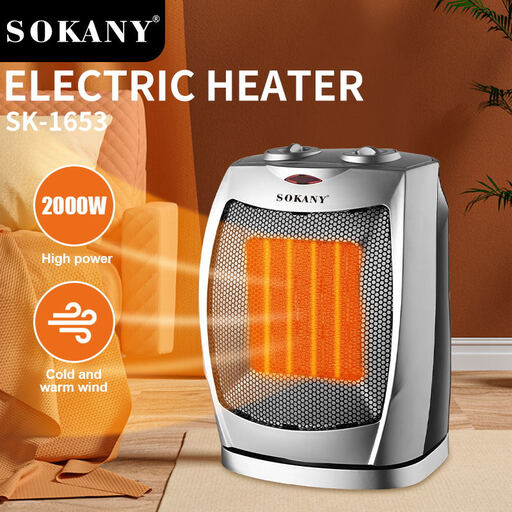
Why This Fits Their Persona: Ideal for users looking for a simple and affordable solution for occasional use. The 2-in-1 function as a heater and fan makes it a year-round device for small rooms or a desk.
This model features integrated overheat protection and a flame-retardant housing, meeting the most basic safety requirements and avoiding the pitfall of an unsafe budget device.
Combined heating and cooling function; compact and portable design for easy transport.
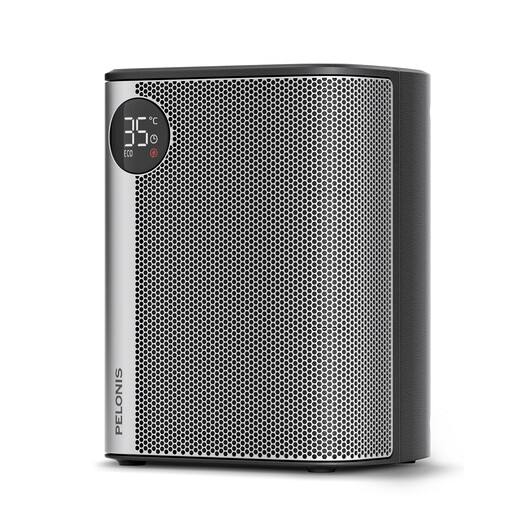
Why This Fits Their Persona: Perfect for the home office or living room where comfort, quiet operation, and energy efficiency are priorities. The comprehensive settings allow for precise adjustment to personal needs.
The intelligent ECO mode and precise thermostat actively counteract the high energy consumption trap. It also offers comprehensive safety with tip-over and overheat protection.
Energy-saving ECO mode; precise temperature control; 24-hour timer for automated operation.
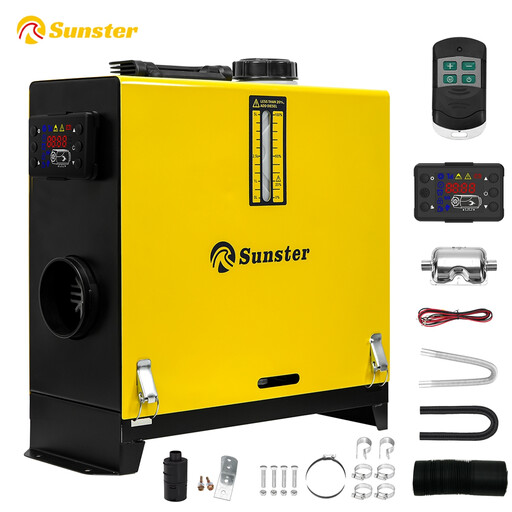
Why This Fits Their Persona: A powerful solution for users who need heat in places without direct access to the power grid, such as in RVs, boats, tents, or large, poorly insulated garages.
This device avoids the trap of insufficient power by using a completely different technology. A diesel air heater is specifically designed for high heating output with low fuel consumption in demanding environments.
Very high heating output (8KW); off-grid operation with 12V/24V; low fuel consumption for long-lasting warmth.
We've compiled a complete, up-to-date list of products that fully meet these strict selection criteria and comply with German safety regulations.
A space heater with a 2000-watt (or 2-kilowatt) rating consumes 2 kilowatt-hours (kWh) per hour at full power. Assuming an electricity price of €0.30 per kWh, the running cost would be approximately €0.60 per hour. However, devices with a thermostat and ECO mode do not run continuously at full power, which can significantly reduce actual costs.
Yes, ceramic heaters are generally considered safer. Their PTC heating elements self-regulate their temperature and do not overheat as much as the glowing coils of older models. This reduces the risk of fire. Nevertheless, basic safety features like tip-over and overheat protection are indispensable for any electric heater.
It is generally not recommended to leave a space heater running unattended overnight. However, modern devices with comprehensive safety features (overheat and tip-over protection) and a timer that automatically shuts the unit off after a preset time significantly minimise the risk. Ensure the device has clear space around it and that no flammable materials are nearby.