
Lieferung heute & morgen

Qualitätsgarantie

Willkommens-Angebote freischalten: KOSTENLOSE Lieferung | Bis zu 80 % RABATT | Kostenlose 30-Tage-JoyPlus-Testphase
App herunterladen
As your Joybuy Product Recommendation Officer, my mission is to provide you with clear, factual information. Daily sun protection is a fundamental cornerstone of skin health and the prevention of photoaging. However, the market is saturated with products whose marketing promises often create more confusion than clarity. This guide will help you understand the key criteria and find an SPF 30 sunscreen that truly fits your needs.
Many products end up gathering dust because they fail to meet expectations. This is often due to common misunderstandings and exaggerated marketing claims.
To make an informed decision, you should understand three technical aspects that determine a sunscreen's effectiveness and suitability for daily use.
The choice of filter system is one of the most fundamental decisions and depends heavily on your skin type and personal preferences.
The Sun Protection Factor (SPF) only indicates protection against UVB radiation, which is responsible for sunburn. For comprehensive protection, especially to prevent skin aging and cell damage, protection against UVA radiation is equally important. Look for the UVA logo (the letters "UVA" in a circle) on the packaging. This seal guarantees that the UVA protection is at least one-third of the stated UVB protection, in compliance with EU recommendations. A good facial sunscreen should always offer this broad-spectrum protection.
The product name—whether SPF 30 sun lotion, cream, or fluid—already gives a clue about the texture. A moisturising sunscreen can replace a daily moisturiser for dry skin, while a lightweight fluid may be better suited for oily skin types. Products like a day cream with SPF 30 are designed to integrate seamlessly into a morning skincare routine and serve as a makeup base. A tinted SPF 30 sunscreen can also provide an even complexion and achieve a light foundation effect.
Instead of making a one-size-fits-all recommendation, we have identified products that meet specific needs and avoid the pitfalls mentioned earlier.
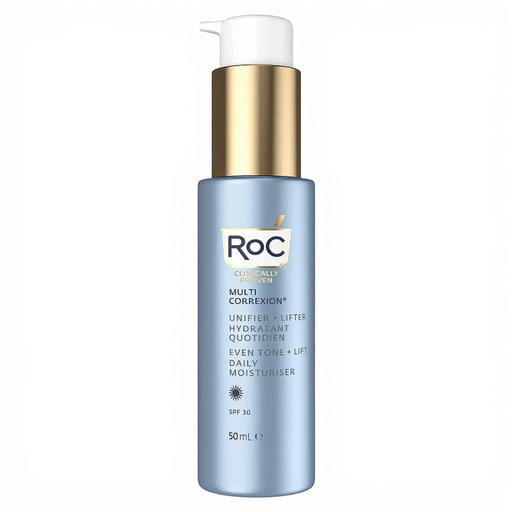
Why This Fits Their Persona: Ideal for users seeking a multi-functional day cream. It combines broad-spectrum SPF 30 with niacinamide, an active ingredient that can help improve skin tone and reduce the appearance of dark spots.
It avoids the empty "anti-aging" promise by pairing UV protection with a well-known skincare active (niacinamide). The lightweight texture bypasses the unpleasant formulation trap.
Combines moisturiser, targeted active ingredients, and sun protection in one step. It absorbs quickly and leaves no greasy feeling.
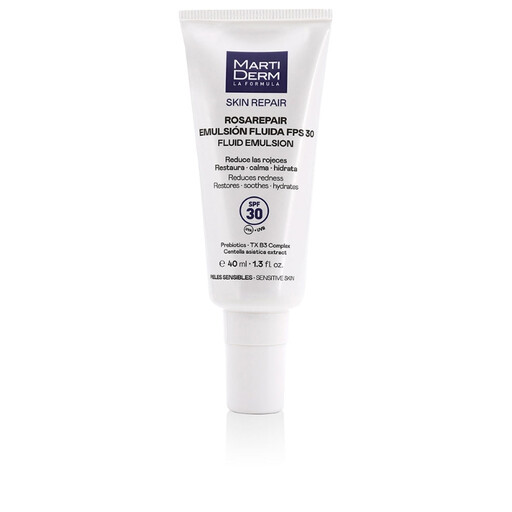
Why This Fits Their Persona: Suitable for individuals with sensitive, redness-prone skin. The formula contains ingredients like tranexamic acid and panthenol, which aim to soothe and strengthen the skin barrier.
The fluid emulsion is lightweight and specifically designed for sensitive skin conditions, thus avoiding the trap of a heavy, potentially irritating texture.
Offers a combination of sun protection and targeted care for skin prone to redness. The light texture absorbs well and is suitable for daily use.
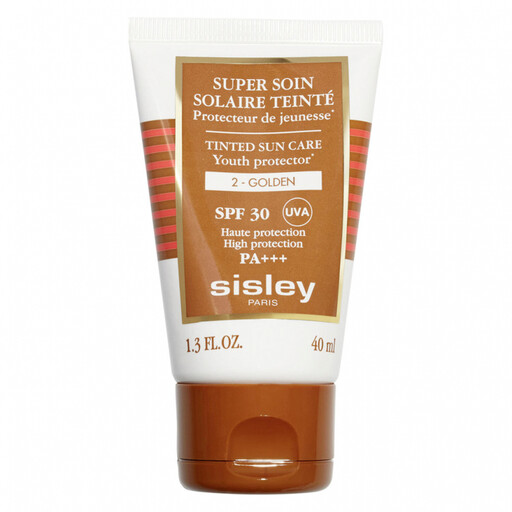
Why This Fits Their Persona: Perfect for users who want to combine sun protection with a light makeup effect in a single product. The tinted formula evens out the complexion and provides a fresh look.
The silky, non-greasy texture prevents the feeling of a heavy "mask" and encourages daily use. Its functional added benefit (the tint) makes it a practical everyday companion.
Provides broad-spectrum SPF 30 and a light tint for an even complexion. The formula is enriched with nourishing ingredients like shea butter and camellia oil.
We have compiled a complete, up-to-date list of products that fully meet these strict selection criteria and German regulations.
A common and practical guideline is the "two-finger rule." Apply two strips of sunscreen to your index and middle fingers. This amount is generally sufficient to adequately protect your face and neck. Applying too little significantly reduces the level of protection.
For a normal day with limited sun exposure, such as a day at the office, a day cream with SPF 30 is often sufficient. However, if you plan on spending extended time outdoors, engaging in sports, or visiting the beach, a dedicated, water-resistant sunscreen is preferable and should be reapplied regularly (about every two hours).
Yes, it is highly recommended. Up to 80% of UVA rays, which are a primary contributor to skin aging, penetrate cloud cover. They are present year-round and can also pass through window glass. Consistent daily protection is therefore a crucial step in maintaining long-term skin health.