
Lieferung heute & morgen

Qualitätsgarantie
App herunterladen
Kategorien
Daily UV protection is a fundamental part of any skincare routine, shielding the skin's structure from the effects of UVA and UVB radiation. While UVB rays are primarily responsible for sunburn, UVA rays penetrate deeper into the skin and can contribute to premature skin aging (photoaging). An SPF 50 face sunscreen offers a high level of protection, and modern formulations also integrate nourishing, repairing, or aesthetic functions.
Choosing the right product involves an analysis of technical specifications and individual skin needs. The following parameters should be considered when making your decision.
A high sun protection factor (SPF) of 50, by definition, blocks a significant portion of UVB radiation. However, broad-spectrum protection that also covers the UVA spectrum is crucial. In the EU, this is indicated by a circled UVA logo on the packaging, which signifies that the UVA protection is at least one-third of the stated SPF. Products may contain chemical (organic) filters that absorb UV radiation and convert it into heat, or mineral (inorganic) filters like titanium dioxide and zinc oxide that reflect and scatter the radiation.
The texture is a key factor for daily usability and the feel on the skin.
Modern sunscreen products are often multifunctional, containing ingredients that go beyond mere UV protection.
The following selection presents products with different focuses that meet the criteria mentioned above.
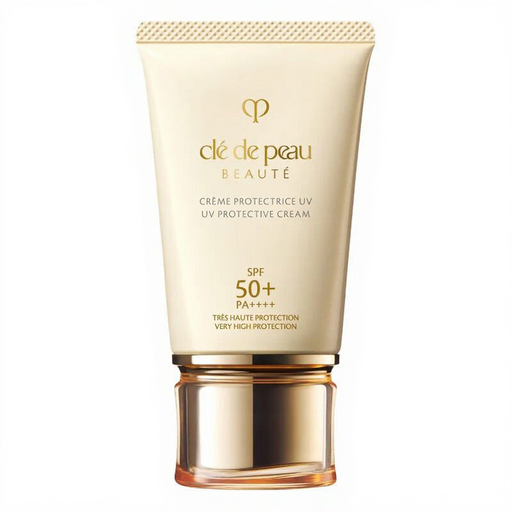
Why We Recommend This Product This cream combines very high broad-spectrum protection (SPF 50+ and PA++++) with a rich, nourishing formula. The formulation aims to hydrate the skin while protecting it from environmental stressors. Its creamy yet lightweight texture is designed for rapid absorption.
Benefits
Who It's For Users seeking a face sunscreen with significant anti-aging and skincare benefits who prefer a luxurious, creamy texture.
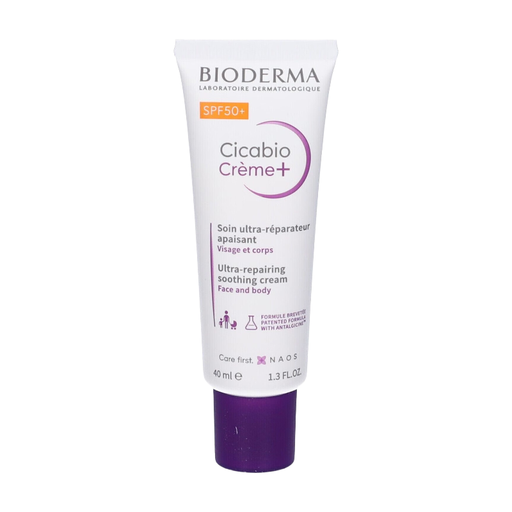
Why We Recommend This Product This product is designed as a repairing sunscreen for skin that needs regenerative support. The formula combines high UV protection with active ingredients that support the skin's healing process and aim to reduce the risk of hyperpigmentation (post-inflammatory hyperpigmentation) after skin injuries or dermatological procedures.
Benefits
Who It's For Individuals with weakened, irritated, or regenerating skin, for example after superficial injuries or cosmetic treatments, who need a combined protection and repair approach.
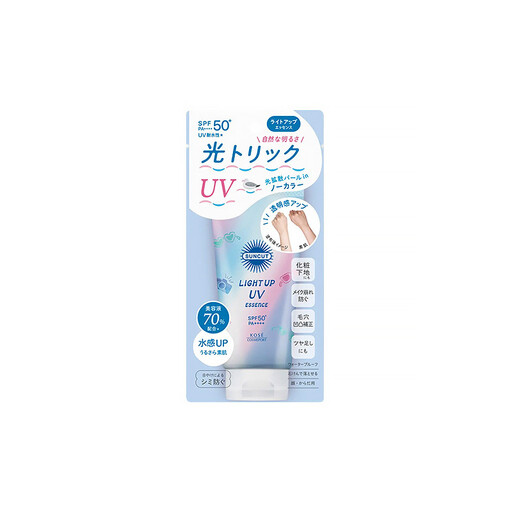
Why We Recommend This Product This cream acts as a multifunctional product, combining sun protection with a luminous makeup base. The formula contains light-reflecting particles (Mica) and a high concentration of silica to visually smooth the skin's appearance and create a radiant complexion.
Benefits
Who It's For Users looking for a sunscreen as a makeup base who want to achieve a radiant, "glowy" complexion while protecting their skin from UV rays.
The products featured cover specific use cases. If you are looking for other formulations, for instance for special skin types or with different textures, our main category offers a broader selection.
Discover our complete selection of UV protection creams
1. What does SPF 50 mean for a face sunscreen? The Sun Protection Factor (SPF) indicates the factor by which the skin's natural self-protection time against UVB-induced sunburn is extended. SPF 50 means that, theoretically, you can stay in the sun 50 times longer before skin reddening occurs than without protection. An SPF 50 filters out about 98% of UVB rays. For comprehensive protection, a UVA filter is also required.
2. Can I use face sunscreen daily? Yes, daily use of sunscreen is recommended by dermatological organizations, as the skin is exposed to UVA radiation even during everyday activities and on cloudy days. Modern formulations are designed for daily use and can be applied as the final step of the morning skincare routine before makeup.
3. How do I apply sunscreen under makeup? Apply the sunscreen to dry skin after your moisturizer. Use a sufficient amount (about half a teaspoon for the face and neck) to achieve the stated protection. Allow the sunscreen to absorb for a few minutes until it forms a dry, non-sticky surface. You can then apply foundation and other makeup products as usual.