
Lieferung heute & morgen

Qualitätsgarantie

Willkommens-Angebote freischalten: KOSTENLOSE Lieferung | Bis zu 80 % RABATT | Kostenlose 30-Tage-JoyPlus-Testphase
App herunterladen
Choosing an SPF 50 sunscreen seems straightforward at first glance. The shelves are packed, and the promises are bold. Yet, many products fail to live up to their claims, leading to disappointment—whether from skin irritation, a sticky residue, or inadequate protection. As your Joybuy Product Recommendation Officer, I'm here to help you see through the marketing hype and make an informed decision based on facts, not fads.
Before we dive into the key features, let's clear up two widespread misconceptions that often lead to a poor purchase.
To find the right SPF 50 sunscreen, focus on these three objective criteria.
The Sun Protection Factor (SPF) indicates how much longer you can stay in the sun with sunscreen before getting a sunburn, compared to your skin's natural protection time. SPF 50 blocks about 98% of UVB rays, which are responsible for sunburn.
Just as important is protection against UVA rays. These penetrate deeper into the skin and are a primary cause of premature skin ageing and an increased risk of skin cancer. Always look for the UVA seal (the letters "UVA" inside a circle) on the packaging. It guarantees that the UVA protection is at least one-third of the stated UVB protection (the SPF), thus complying with European Commission recommendations.
The texture of a sunscreen affects not only how it feels on the skin but also how willingly and regularly you apply it.
A modern SPF 50 sunscreen can do more than just protect. Depending on your needs, certain ingredients can offer real added value.
Here are three products that represent a considered choice for different user profiles, based on objective criteria.
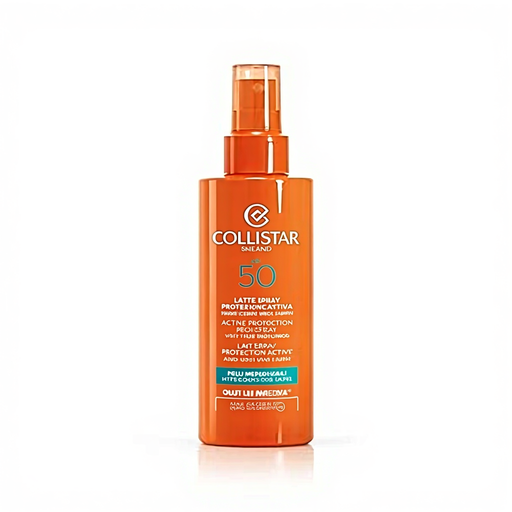
Why This Fits Their Persona: Ideal for families and individuals with sensitive skin who need high, gentle protection for the body and face. The practical spray format makes application on children easier.
It sidesteps the pitfall of potential skin irritation by being free of fragrances, dyes, silicones, alcohol, and known allergens. The formula is designed for high tolerance.
According to the manufacturer, its hypoallergenic formula is also suitable for children under 3. The lightweight milk texture absorbs quickly and is water-resistant.
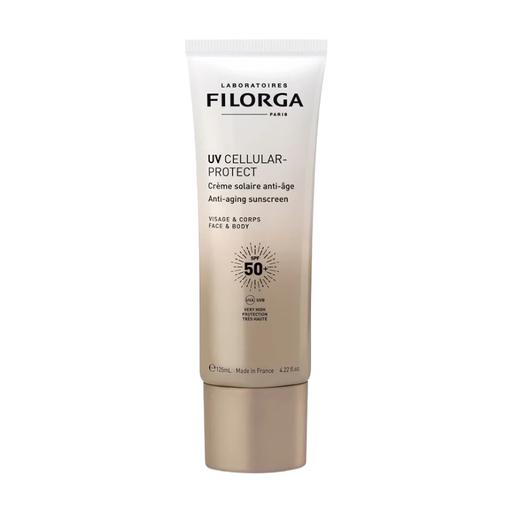
Why This Fits Their Persona: For users seeking daily, invisible protection for the face while also combating the signs of photoaging.
Instead of vague anti-aging promises, the formula relies on specific active ingredients like niacinamide and peptides, which are known to support skin regeneration and collagen production.
The lightweight, non-greasy formula absorbs quickly without leaving a white cast and provides intense hydration. It is suitable for all skin types.
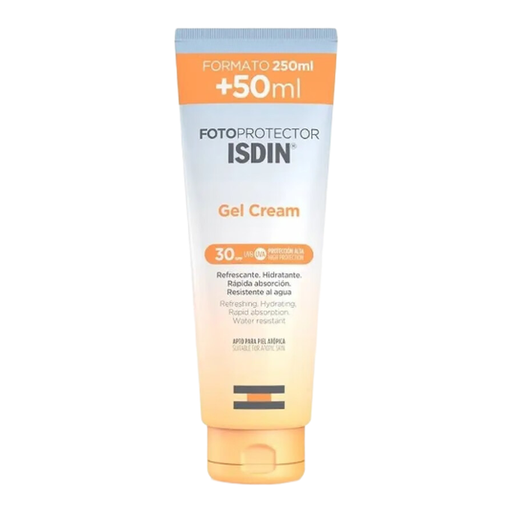
Why This Fits Their Persona: Perfect for active individuals who need reliable, non-sticky sun protection that holds up during exercise and sweating and feels comfortable on the skin.
The gel-cream texture solves the problem of heavy, greasy sunscreens that feel unpleasant during physical activity. It absorbs rapidly and leaves no sticky residue.
Offers high broad-spectrum protection in a lightweight formula suitable for all skin types. The texture moisturises without feeling heavy.
We've compiled a complete, up-to-date list of products that fully meet these strict selection criteria and European regulations.
To achieve the protection level stated on the packaging, the rule of thumb is about 2 milligrams per square centimetre of skin. For an average adult, this equates to roughly 30 to 40 millilitres for the entire body—about six teaspoons. For the face and neck, a finger-length amount is recommended. Applying too thin a layer significantly reduces the protection factor.
Check the packaging for the open jar symbol. The number inside (e.g., "12M") indicates how many months the product is good for after opening. Unopened, sunscreens are typically stable for about 30 months. However, if the product's colour, smell, or consistency has changed, or if the expiration date has passed, you should discard it, as the effectiveness of the UV filters is no longer guaranteed.
This is a common concern. However, studies show that the typical, real-world application of sunscreen does not completely block vitamin D synthesis in the skin. Since most people do not apply enough sunscreen or do so inconsistently, enough UVB radiation usually reaches the skin to stimulate vitamin D production. For most people, the benefits of skin cancer prevention far outweigh the low risk of deficiency from using sunscreen.