
Lieferung heute & morgen

Qualitätsgarantie

Willkommens-Angebote freischalten: KOSTENLOSE Lieferung | Bis zu 80 % RABATT | Kostenlose 30-Tage-JoyPlus-Testphase
App herunterladen
A day cream with a Sun Protection Factor (SPF) is a fundamental cornerstone of any skincare routine. It promises to moisturise the skin while simultaneously protecting it from UV radiation. However, the market is saturated, and many products don't live up to their marketing claims. Before you make a decision, it's crucial to understand the most common pitfalls that lead to unsuitable purchases.
To make an informed decision based on facts, not marketing hype, you should examine three core parameters.
Effective daily protection must shield the skin from the entire UV spectrum. Look for products that explicitly offer broad-spectrum protection. In Europe, this is indicated by the UVA symbol (a circle with "UVA" inside). This seal guarantees that the UVA protection is at least one-third of the stated UVB protection (SPF). Products like a facial sunscreen with face sun protection 50+ should always meet this criterion to ensure adequate protection against photoageing.
The foundation of any moisturiser with sun protection is its texture and composition.
Modern formulations offer more than just moisture and sun protection.
Here are some products tailored to specific needs and lifestyles that avoid the pitfalls mentioned.
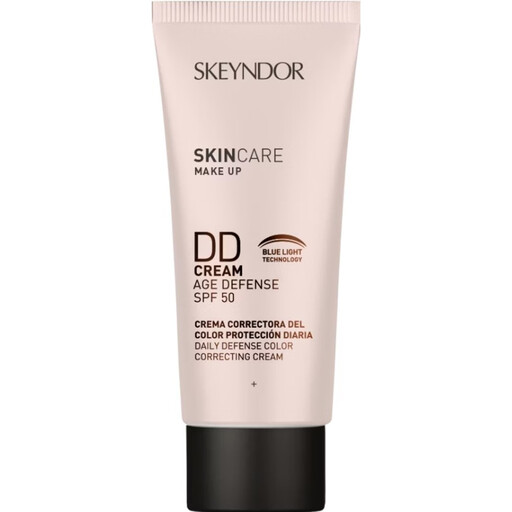
Why it's a great fit: Perfect for those who prefer a quick morning routine. This DD cream combines moisturiser, anti-ageing ingredients, high sun protection, and a light tint in a single step.
The product bypasses the trap of inadequate protection by offering high, broad-spectrum SPF 50 coverage against both UVA and UVB rays.
A multifunctional formula that consolidates multiple skincare steps into one product, saving time and effort.
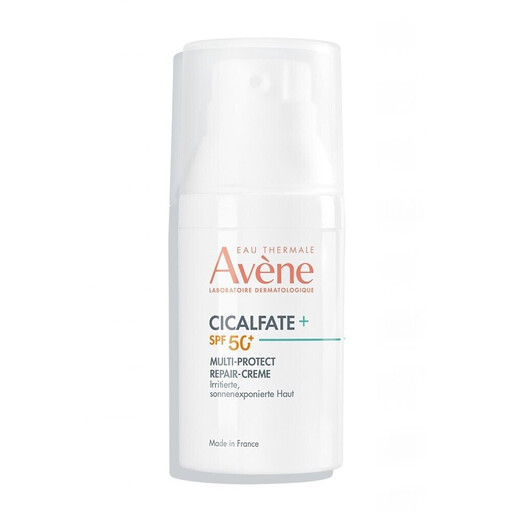
Why it's a great fit: Designed for weakened and sensitive skin that needs both restorative care and high sun protection. The formula supports the regeneration of the skin barrier.
This product avoids the "one-size-fits-all" trap with a high-tolerance formula free from fragrance, alcohol, and silicones, specifically tailored to the needs of sensitive skin.
Offers protection not only from UVA/UVB but also from high-energy visible blue light (HEV Blue Light). The formula is suitable for use on already re-epithelialised skin.
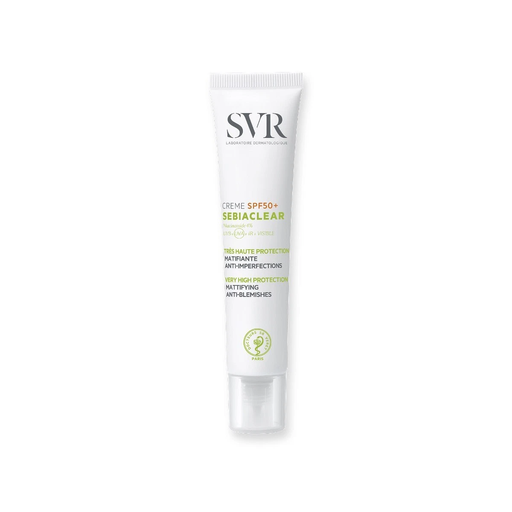
Why it's a great fit: Specifically formulated for oily and acne-prone skin. The formula regulates sebum production, reduces shine, and counteracts blemishes while providing high sun protection.
The non-comedogenic formula does not clog pores and leaves a matte finish, instead of creating the greasy film often found in unsuitable creams for this skin type.
Contains Niacinamide and Azelaic Acid, two active ingredients known for their sebum-regulating and anti-inflammatory properties, which actively improve the skin's appearance.
We've compiled a complete, real-time updated list of products that fully meet these strict selection criteria and UK/EU safety regulations.
1. How much SPF day cream should I apply for effective protection? For reliable facial protection, an amount equivalent to two finger lengths (index and middle finger) is recommended. Applying too little significantly reduces the level of protection. The product should be applied evenly to the face, neck, and ears.
2. Does an SPF day cream replace a traditional sunscreen? For everyday use, such as commuting to work or short periods outdoors, a day cream with high broad-spectrum protection (SPF 30 or 50+) is generally sufficient. However, for prolonged and intense sun exposure, such as at the beach, during sports, or on holiday, a dedicated, water-resistant sunscreen should be used and reapplied every two hours.
3. Do I need to use an SPF day cream in winter or on cloudy days? Yes, year-round application is beneficial. UVA rays, which are responsible for skin ageing, can penetrate clouds and window glass. Therefore, consistent daily protection is one of the most effective measures to prevent premature skin ageing and cell damage.