
Lieferung heute & morgen

Qualitätsgarantie

Willkommens-Angebote freischalten: KOSTENLOSE Lieferung | Bis zu 80 % RABATT | Kostenlose 30-Tage-JoyPlus-Testphase
App herunterladen
The search for spicy snacks often takes you beyond the selection at your local supermarket. Chinese cuisine, in particular, offers a complex variety of heat profiles that go far beyond the simple capsaicin burn of chillies. A core concept here is the Mala flavour, a combination of numbing spice (麻, má) from Sichuan pepper and fiery heat (辣, là) from chilli. This guide analyses the criteria for selecting such snacks and presents a curated selection of products based on specific flavour profiles and ingredients.
The right Asian snacks should be chosen based on objective characteristics. The following criteria can help guide your decision:
The perceived heat of a product is caused by different chemical compounds.
The combination of these types of heat, particularly capsaicin and sanshool, results in the characteristic Mala flavour.
The base of the snack is crucial in determining the mouthfeel and how the spice is delivered.
Analysing the ingredient list reveals the product's composition. Note the position of chilli, pepper, and other spices in the list to gauge the flavour intensity. Additives like flavour enhancers (e.g., monosodium glutamate) will also be listed. The nutrition facts table provides quantitative data on energy, fat, carbohydrates, protein, and salt per 100 grams.
Based on the criteria above, we have compiled a selection of products that represent different facets of spicy Chinese snacks.
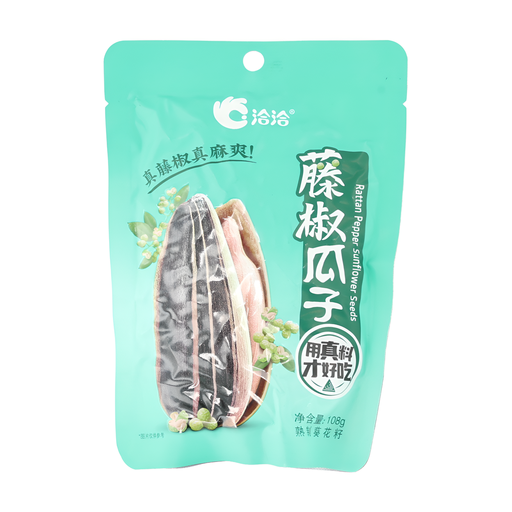
Why we recommend this product: This product combines roasted peanuts with the aroma of vine pepper, a variety of Sichuan pepper. It offers an accessible introduction to the Málà flavour, where the numbing tingle is prominent, complemented by a mild, piquant heat. The Qiaqia brand is well-known in China for its nut and seed products.
Pros:
Who it's for: Those curious about Sichuan pepper snacks who are looking for a product with moderate heat and a focus on the signature tingle. Ideal as an accompaniment to drinks or for social gatherings.
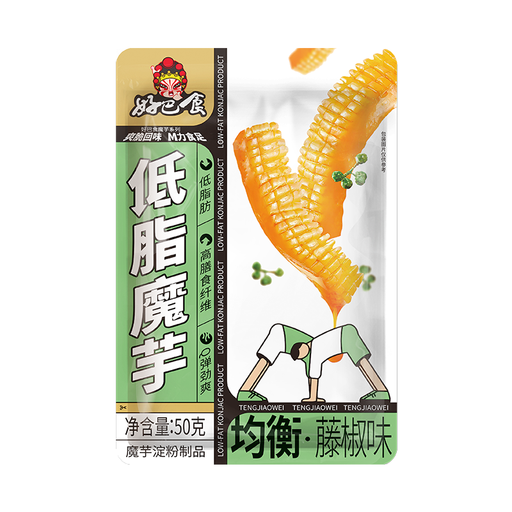
Why we recommend this product: The spicy konjac snack from HAO BA SHI stands out for its unique texture and low-calorie profile. The konjac flour base has a firm, chewy consistency that is generously coated in an intense sauce of Sichuan pepper, chilli, and other spices. The individual packaging makes it convenient for on-the-go snacking.
Pros:
Who it's for: Snack lovers looking for an alternative to traditional crisps or nuts who appreciate a unique texture. Also suitable for calorie-conscious consumers who don't want to compromise on intense flavour.
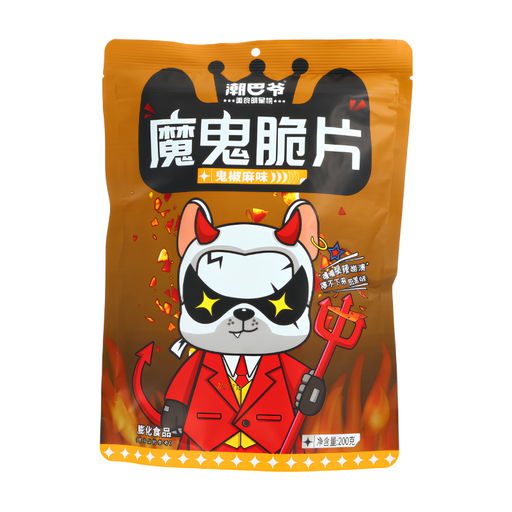
Why we recommend this product: These snacks are aimed at consumers seeking a high level of heat. The "Ghost Pepper" designation indicates the use of Bhut Jolokia, one of the world's hottest chilli varieties. This intense heat is combined with the tingling effect of Sichuan pepper, leading to a complex and extremely spicy flavour experience. The wheat and corn flour base provides a light, crispy texture.
Pros:
Who it's for: Experienced lovers of spicy food who are looking for a challenge and appreciate the complexity of high capsaicin concentration combined with Sichuan pepper. Due to its intensity, this product is not recommended for individuals with a low tolerance for heat.
While pre-made snacks offer a balanced flavour profile, some prefer complete control over seasoning their food. The foundation for this is the precise measurement of base ingredients. For functional and stylish storage of fundamental spices like salt and pepper, you can find suitable solutions to equip your own kitchen in our Salt & Pepper Shakers category.
1. What exactly is the Mala flavour? Mala (麻辣) is a signature flavour profile from Sichuan cuisine in China. It is composed of two elements: "Má," the numbing, tingling sensation caused by Sichuan pepper, and "Là," the burning heat from chilli peppers. The combination creates a multi-layered mouthfeel that goes beyond simple spiciness.
2. Are all Chinese snacks extremely spicy? No. Chinese snack culture is incredibly diverse. There is a wide range of flavours, from sweet and salty to umami and mildly savoury. While spicy snacks, especially those with a Mala flavour, are popular, they represent only a fraction of the total offering. Even within the spicy category, there are significant differences in intensity.
3. What is konjac and what is its texture like? Konjac is a plant corm native to Asia. The flour derived from it (konjac flour or glucomannan) is processed with water into a gel-like mass that has a firm, slightly elastic, and chewy texture. In food processing, it is used for low-calorie noodles (shirataki) and snacks. Since konjac itself is virtually flavourless and calorie-free, it serves as an excellent carrier for intense sauces and spices.