
Lieferung heute & morgen

Qualitätsgarantie

Willkommens-Angebote freischalten: KOSTENLOSE Lieferung | Bis zu 80 % RABATT | Kostenlose 30-Tage-JoyPlus-Testphase
App herunterladen
By the Joybuy Product Recommendation Officer, July 19, 2026
A functional sports backpack is more than just a bag—it's an essential piece of gear. Anyone who exercises regularly knows the problem: where do you put sweaty towels, bulky shoes, and your water bottle? A conventional backpack quickly reaches its limits. This guide will help you understand the key features of a quality sports backpack and make an informed decision tailored to your specific needs.
Choosing the right model depends heavily on its intended use. Three central criteria will help you narrow down the options and find a backpack that simplifies your active lifestyle.
One of the most important features of a good training backpack is its thoughtful compartment layout. A backpack with a wet compartment is particularly noteworthy here. This separate, often water-resistant pocket is designed to hygienically separate used clothing, wet towels, or swimwear from clean clothes, electronics, and snacks. For team sports athletes who need a soccer backpack, additional compartments for shoes or a ball are a major advantage. A clear internal structure prevents endless searching and ensures your gear is always within reach.
The required volume is determined by the specific sport.
A sports backpack must be durable. Materials like polyester or ripstop nylon are resilient and easy to clean. Look for padded and adjustable shoulder straps as well as a breathable back panel. These elements distribute weight evenly and ensure comfortable carrying even when fully loaded, which is particularly relevant for men's sports backpacks and women's sports backpacks with different anatomical needs.
Based on the criteria mentioned, we have compiled a selection of models that stand out for their specific features, making them suitable for various applications.
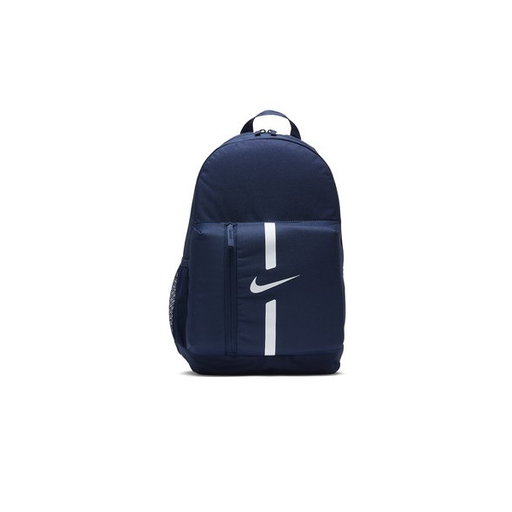
Why It Stands Out: The Nike Academy Backpack is a versatile all-rounder that excels with its clean design and high functionality. The integrated wet/dry compartment makes it a practical choice for heading straight from the office to the gym or soccer practice.
Advantages:
Who It's For: This model is a solid choice for students, team athletes, and regular gym-goers looking for a reliable and straightforward training backpack for daily use.
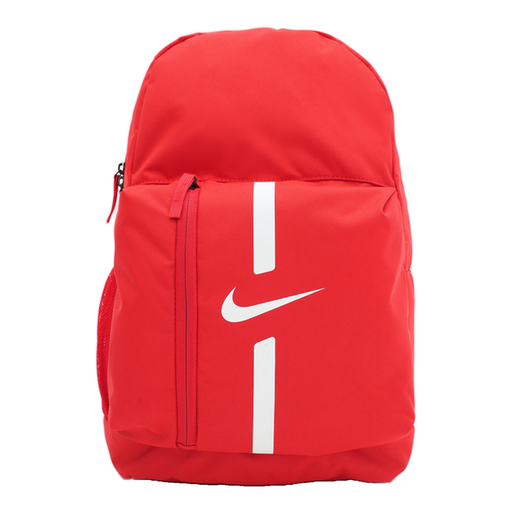
Why It Stands Out: This backpack offers the identical functional benefits as the navy version but in a striking red color. It proves that functionality and personal style can go hand in hand.
Advantages:
Who It's For: Ideal for athletes who appreciate the proven functionality of the Nike Academy model but prefer a design with a bolder color statement. It is equally suited for the gym, the sports field, and school.
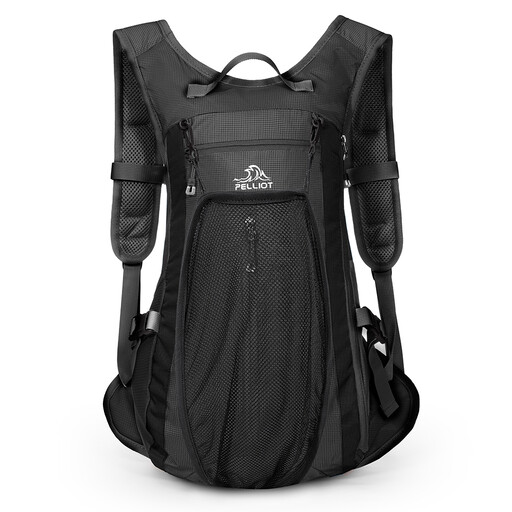
Why It Stands Out: This lightweight sports backpack from PELLIOT is specifically designed for endurance sports like trail running and cycling. Its focus is on minimal weight, stability, and quick access to gear. The ergonomic harness system is engineered to reduce strain.
Vorteile:
Who It's For: This running backpack or cycling backpack is aimed at ambitious endurance athletes. It is the right choice for anyone who values a stable fit, low weight, and smart organization over long distances.
Haven't found the right model for your needs yet? A sports backpack has to meet many different requirements. For a wider selection of backpacks designed specifically for gym training, check out our Gym Backpack category.
A sports backpack differs from an everyday backpack through specific features. These typically include separate compartments for wet clothes or shoes (a wet compartment), more robust and often water-resistant materials, and an ergonomic carrying system that provides stability and comfort even during movement and with heavier loads.
The ideal size depends on the sport. For the gym or team sports, 20-30 liters are usually sufficient. For endurance sports like running or cycling, where only the essentials are carried, a smaller backpack of 10-20 liters is often enough. For weekend trips or sports with extensive equipment, models with 30 liters or more may be practical.
Most manufacturers recommend not machine washing the backpack, as this can damage coatings and padding. Cleaning with a damp cloth and mild soap is usually sufficient. Stubborn stains can be gently brushed out. It is important to let the backpack air dry completely afterward to prevent mildew. Always follow the manufacturer's care instructions on the label.