
Lieferung heute & morgen

Qualitätsgarantie

Willkommens-Angebote freischalten: KOSTENLOSE Lieferung | Bis zu 80 % RABATT | Kostenlose 30-Tage-JoyPlus-Testphase
App herunterladen
The search for the right pair of sports sunglasses can quickly become overwhelming. Countless models advertise technical terms and design features. However, not every pair of glasses marketed as "sports glasses" meets the fundamental requirements for active use. Many buyers only realise after a short time that their new model pinches, slips during movement, or actually worsens visibility rather than improving it. This guide will help you identify the crucial features and avoid common purchasing pitfalls.
Before we dive into the technical details, it's important to know the most common mistakes that lead to an unsatisfying purchase.
To make an informed decision, you should examine three core areas: lens technology, frame material, and fit.
The choice of lenses is critical to the functionality of your glasses.
Some models combine both technologies, offering a comprehensive solution for various conditions.
A good pair of sports sunglasses should be barely noticeable. The material plays a central role here.
Two aspects allow for no compromise:
Based on the criteria above, we have put together a few models for different user profiles.
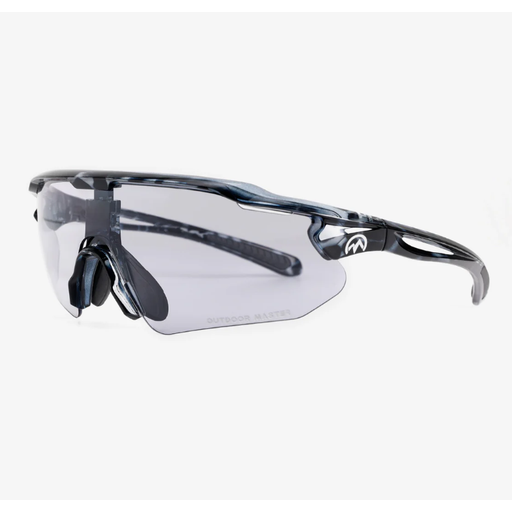
Why This Fits Their Persona: Ideal for athletes who switch between different disciplines like cycling and running. The combination of photochromic and polarised technology offers maximum flexibility in all light and weather conditions.
Solves the "wrong lens technology" problem by combining both key functions (polarisation and photochromic) in a lightweight TR90 frame.
Very lightweight (26-29g), adjustable nose pads for a secure fit, UV400 protection.
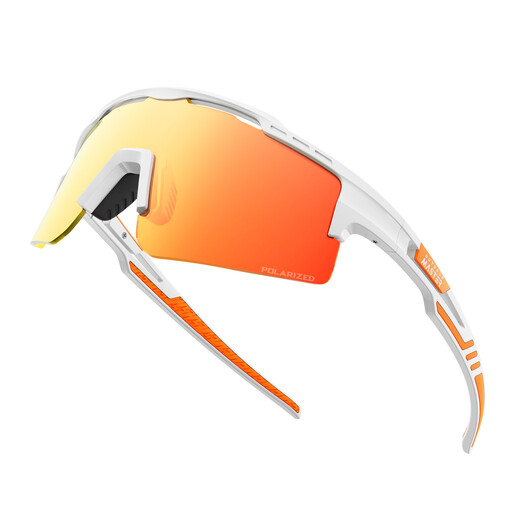
Why This Fits Their Persona: Perfect for sports beginners or casual users looking for reliable sunglasses for men and women without a large budget. They offer all the necessary core features for use in cycling, running, or driving.
Offers a lightweight yet durable TR90 frame and polarised TAC lenses with certified UV400 protection. This bypasses the pitfalls of inadequate protection and uncomfortable materials.
Solid core features with polarised lenses, a durable frame, and a full accessory kit (case, pouch, strap).
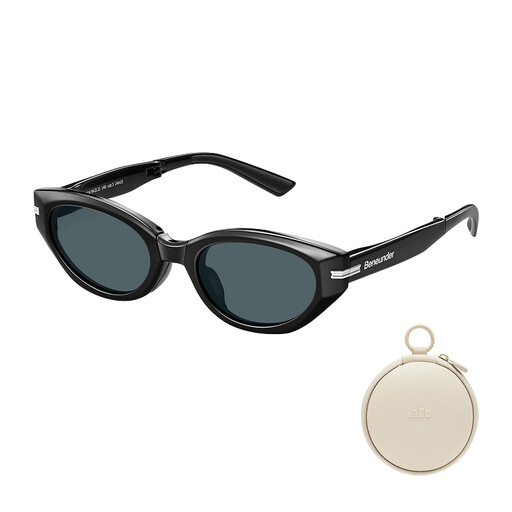
Why This Fits Their Persona: For users who want stylish glasses for daily use, driving, or light activities and who value portability. The patented folding design makes them extremely compact and easy to store.
Combines fashionable design with functional materials. The TR90 frame is lightweight and durable, while the nylon lenses provide full UV400 protection. The air-cushion nose pads prevent pressure points.
Patented, ultra-slim folding design; HD nylon lenses with an anti-reflective coating; high level of comfort.
We've compiled a complete, up-to-date list of products that fully meet these strict selection criteria and safety standards.
1. Can I use photochromic sunglasses in the car? In most cases, the function of photochromic sunglasses is limited inside a car. Since the lenses react to UV light to darken, and modern car windscreens already block most UV radiation, the tinting reaction will be minimal or non-existent. For driving, polarised sunglasses are often the more suitable choice as they reduce glare from the road and other vehicles.
2. What exactly does UV400 protection mean? The UV400 label means that the lenses filter UV rays up to a wavelength of 400 nanometres. This includes both UVA and UVB rays and corresponds to 99 to 100 percent protection. This standard is essential for effectively protecting your eyes from sun damage.
3. How do I properly care for my sports sunglasses to extend their lifespan? Clean the lenses regularly with the provided microfibre cloth to avoid scratches. Do not use harsh cleaning agents or paper towels. Always store the glasses in their protective case when not in use to shield them from impacts and scratches. After contact with salt water or sweat, rinse the glasses with clear water to preserve the lens coatings.