
Lieferung heute & morgen

Qualitätsgarantie

Willkommens-Angebote freischalten: KOSTENLOSE Lieferung | Bis zu 80 % RABATT | Kostenlose 30-Tage-JoyPlus-Testphase
App herunterladen
A good pair of sports sunglasses is more than just a fashion accessory. It's a functional piece of gear that improves vision, protects your eyes, and enhances comfort during outdoor athletic activities. However, the market is crowded and full of marketing promises that often confuse more than they help. Many athletes invest in a model that looks great at first glance but proves unsuitable in practice.
Before you make a decision, you should know the most common pitfalls that can lead to a bad purchase:
To make an informed choice, you should focus on the technical parameters that determine a pair of sunglasses' performance.
The lenses are the heart of any pair of sports sunglasses. Two technologies are particularly relevant here:
A lightweight yet robust frame is essential for wearing comfort. Many high-quality models use TR90.
While UV400 protection, which blocks all harmful UVA and UVB rays, is a basic requirement, there are other important safety aspects.
Here are some recommendations tailored to specific requirement profiles that take the above criteria into account.
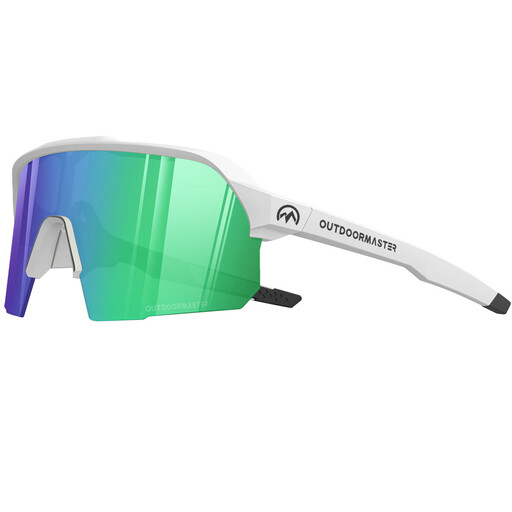
Why this model is a great fit: Ideal for athletes who need a versatile pair of glasses for various activities like cycling, running, or driving. It combines essential performance features at an accessible price point.
This model goes beyond basic UV protection by offering HD polarized lenses for glare-free vision and a lightweight TR90 frame for comfort. The included interchangeable lenses for low-light conditions provide real added value.
The combination of polarized HD lenses, a lightweight TR90 frame, and interchangeable clear lenses makes them a flexible companion for varying conditions.
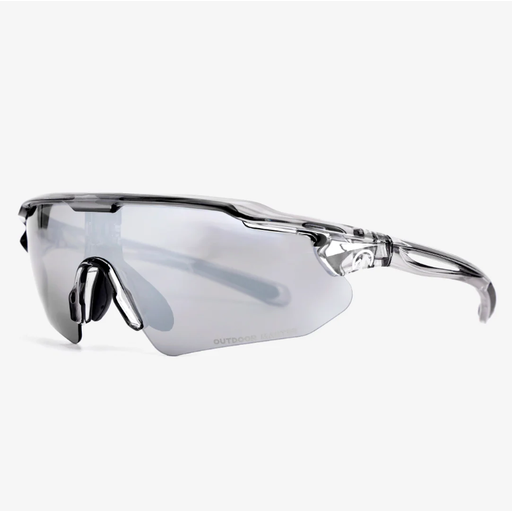
Why this model is a great fit: Perfect for mountain bikers and road cyclists whose routes take them through sunny stretches and shaded forest paths. The glasses adapt automatically, ensuring consistently optimal vision.
This model solves the problem of static tints. The photochromic technology reacts to the environment, making manual lens changes unnecessary. It combines this with polarization to also minimize glare.
The combination of photochromic and polarized technology in one lens offers a comprehensive solution for dynamic light conditions, packaged in a lightweight frame with an adjustable fit.
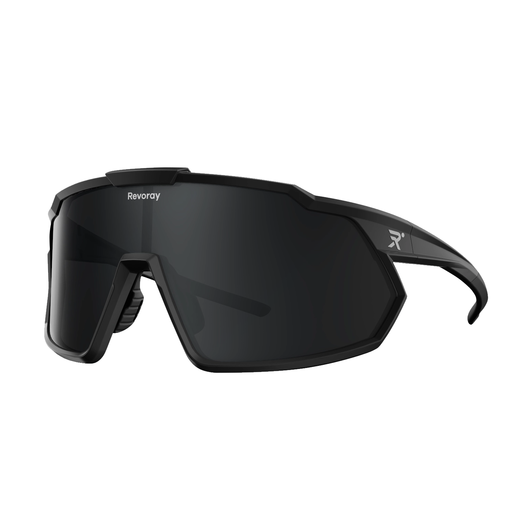
Why this model is a great fit: Designed for athletes who are on the move for hours and value minimal weight, maximum stability, and certified protection.
This model focuses on verifiable performance data. The ANSI Z87.1 certification for impact resistance is objective proof of quality. The extremely low weight of approx. 33g and the adjustable silicone pads actively counter the "one-size-fits-all" problem.
The combination of certified impact resistance, HD TAC polarized lenses with a water- and oil-repellent coating, and an ultra-lightweight design offers a high level of safety and comfort for demanding use.
A good pair of sports sunglasses is an investment in your performance and safety. If you're looking for more models specifically designed for glare-free vision during water sports, we've put together a suitable selection for you.
What is the difference between polarized and photochromic lenses? Polarized lenses reduce glare from reflective surfaces like water or wet roads. Their tint is fixed. Photochromic (self-tinting) lenses adjust their tint to the brightness of the surroundings, becoming darker in the sun and lighter in the shade. Some models combine both technologies.
How important is the frame material in sports sunglasses? The frame material is crucial for comfort and durability. Materials like TR90 are very popular because they are extremely lightweight, flexible, and shatterproof. A light frame prevents pressure points during long wear, while flexibility ensures a good fit and high resistance.
Can I use sports sunglasses if I wear prescription glasses? Yes, there are several options. Some sports sunglasses are large enough to be worn over regular prescription glasses (so-called OTG or "over-the-glasses" models). Other models, like the OutdoorMaster HAWK LT, come with a clip-in insert frame that an optician can fit with prescription lenses. This is often a stable and comfortable solution.