
Lieferung heute & morgen

Qualitätsgarantie

Willkommens-Angebote freischalten: KOSTENLOSE Lieferung | Bis zu 80 % RABATT | Kostenlose 30-Tage-JoyPlus-Testphase
App herunterladen
A double-sided stainless steel cutting board promises a hygienic, durable, and versatile solution for the modern kitchen. However, selecting one comes with several pitfalls that often only become apparent after a few weeks of use. Certain product features highlighted in marketing can prove inadequate in practice. This guide will help you identify the crucial characteristics and avoid making a bad purchase.
The most common problems with seemingly high-quality cutting boards are:
To make an informed decision, you should check three core technical parameters. These are the primary determinants of your kitchen board's durability, safety, and functionality.
The most important feature is the quality of the steel used. Look for the specification 304 stainless steel (also known as 18/8 or 18/10). This material is food-grade, corrosion-resistant, and stands up to fruit acids. It is the standard for high-quality kitchen utensils and a clear quality indicator for a hygienic cutting board.
The second side is often made of polypropylene (PP) or a wheat straw composite. It is crucial that the material is declared BPA-free and has a high density. This prevents the board from absorbing odours or colours. A key advantage is if the entire cutting board is dishwasher-safe, which significantly simplifies cleaning.
A well-thought-out design primarily serves to prevent cross-contamination. The clear separation—one side for raw meat and fish, the other for vegetables and fruit—is the main benefit of a double-sided board. A good cutting board for meat and vegetables should also have the following features:
The size of the board should suit your workspace and your habits. A large cutting board offers plenty of space for preparing multiple ingredients at once. However, remember that it must also fit into your sink and, if applicable, your dishwasher. Common sizes range from 35 x 25 cm for smaller jobs to over 40 x 30 cm for more demanding tasks. An integrated handle can make handling and storage easier.
Based on the criteria mentioned, we have compiled a selection of products suitable for different user profiles and their specific requirements.
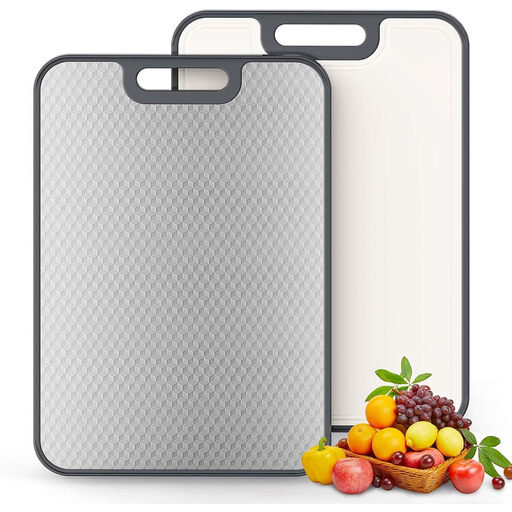
Why This Fits Their Persona: Ideal for families where hygiene is the top priority. The clear separation of meat (stainless steel side) and vegetables (PP side) minimises the risk of cross-contamination during daily meal prep.
The use of food-grade stainless steel and a warp-resistant wheat straw PP side prevents rust and deformation in the dishwasher.
Dishwasher-safe for effortless cleaning; the textured surface reduces scratches and is water- and odour-resistant.
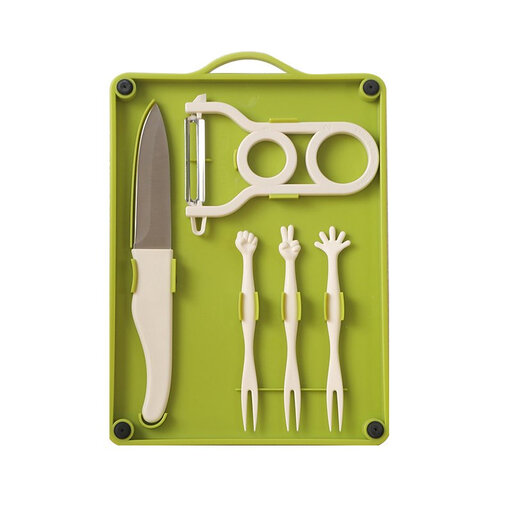
Why This Fits Their Persona: Perfect for users seeking a compact and straightforward solution for quick tasks like cutting fruit or preparing snacks. The set, complete with a matching knife, is practical for small kitchens or mobile use.
The material is treated with a special antibacterial and mildew-resistant coating that tackles hygiene problems at the source. The smooth edges prevent dirt buildup.
Compact set design including a knife; double-sided use for separating food types; non-slip design for safe handling.
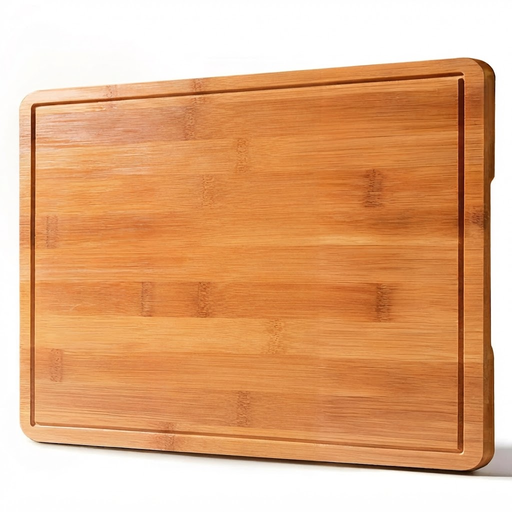
Why This Fits Their Persona: An alternative for users who value natural materials. Carbonised bamboo is a robust and resource-efficient choice that brings a warm aesthetic to the kitchen without compromising on functionality.
By being carbonised at high temperatures, the board becomes more resistant to warping and absorbs less moisture than untreated bamboo or wood.
Made from 100% bamboo; deep juice grooves catch liquids; integrated handles make lifting and serving easier.
Explore our range of practical and durable kitchen tools, carefully selected for functionality and material quality.
Yes, the hardness of stainless steel causes faster wear on a knife blade compared to wood or plastic. It is advisable to use robust chef's knives on the stainless steel side and to sharpen them regularly with a honing steel. For delicate or very high-quality knives, it is recommended to use the softer plastic or wheat straw side of the board.
Most models are designated as dishwasher-safe, which is the easiest and most hygienic cleaning method. For hand washing, use warm water, dish soap, and a soft sponge. Abrasive cleaners should be avoided to prevent unnecessarily scratching the surface. Dry the board thoroughly after cleaning to avoid water spots on the stainless steel side.
Unlike porous materials like wood or soft plastic, bacteria can hardly penetrate the non-porous surface of stainless steel, even if there are light scratches. Thorough cleaning after each use is sufficient to ensure a hygienic surface. Many boards feature a slightly textured surface that minimises the appearance of scratches from the outset.