
Lieferung heute & morgen

Qualitätsgarantie

Willkommens-Angebote freischalten: KOSTENLOSE Lieferung | Bis zu 80 % RABATT | Kostenlose 30-Tage-JoyPlus-Testphase
App herunterladen
A steam cleaner promises deep, hygienic cleaning without the use of any chemicals. Yet, the market is flooded with devices whose performance claims often don't hold up in practice. Many buyers quickly discover their new device dispenses more water than steam or is simply unsuitable for the intended task. This guide shows you which technical details truly matter and how to avoid the typical pitfalls when making a purchase.
Before we delve into the crucial performance features, it's important to recognise the most common marketing traps that often lead to a poor purchasing decision.
To avoid a bad purchase, you should base your decision on objective technical data. The following three criteria are decisive for the performance and longevity of a steam cleaner.
An effective steam cleaner requires a balanced combination of pressure and temperature. The pressure, measured in bar, determines the force with which the steam hits the surface.
The heating power, measured in watts, is just as important. A higher wattage (e.g., 1500 W or more) not only ensures a faster heat-up time but also a constant steam temperature and volume during operation. This prevents the device from losing power during prolonged use and merely emitting hot water.
The choice of the right device type depends on your primary use case.
A 2-in-1 steam cleaner is often the most economical choice, as it eliminates the need to buy two separate devices and enables comprehensive, chemical-free cleaning throughout the house.
These two factors significantly determine the ease of use.
Here are some models that represent a considered choice for different user profiles based on their technical specifications.
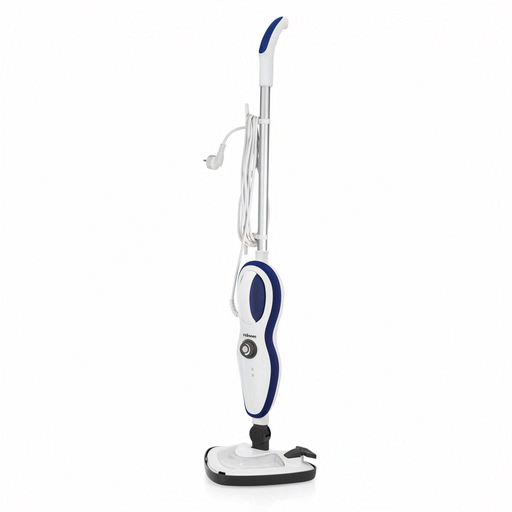
Why This Fits Their Persona: Ideal for users in apartments or for quick floor and surface cleaning. The 2-in-1 design offers flexibility for floors and hard-to-reach places without needing a large, heavy appliance.
The 0.4-litre tank is adequately sized for its intended purpose (quick clean-ups) and isn't marketed as a solution for large areas. The 2-in-1 function prevents the purchase of an inflexible, single-purpose device.
A rapid 30-second heat-up time and its ability to convert from a stick to a handheld unit make it a versatile tool for daily use.
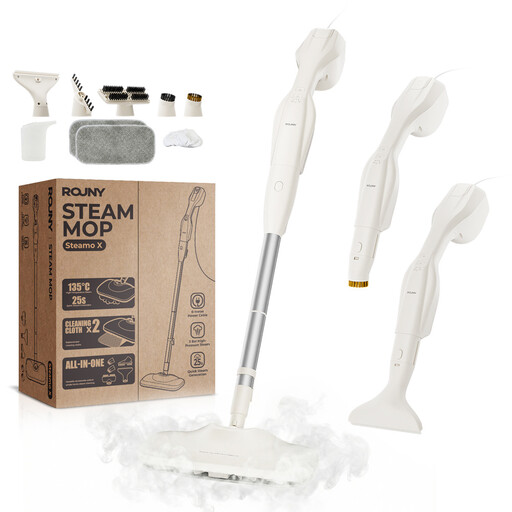
Why This Fits Their Persona: Suitable for users looking for an all-round device for various cleaning tasks throughout the house, from floors and kitchen surfaces to windows.
With a steam pressure of 2.5–3 bar, it offers solid performance that goes beyond basic models. The two steam levels allow for adjustment to the surface, thus preventing overly wet cleaning.
Very fast 25-second heat-up time and a 6-metre-long cable for a wide operating radius. The included attachments are designed for specific applications like windows and grout.
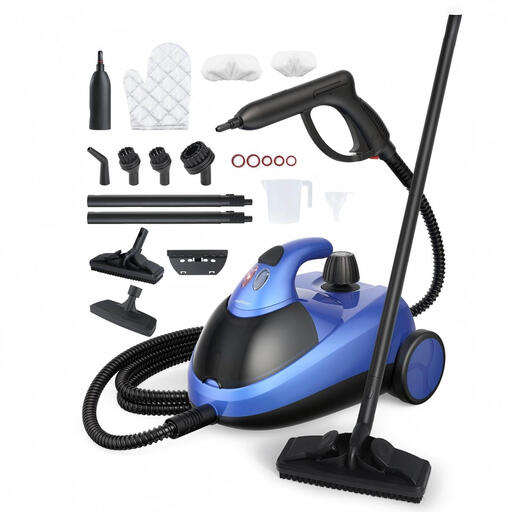
Why This Fits Their Persona: Perfect for homeowners or users who regularly need to deep-clean large areas, heavily soiled spots, or upholstery and carpets. Ideal for intensive use.
This model bypasses all three traps: the high pressure of 4 bar delivers real cleaning power, the 1.5-litre tank allows for long work sessions, and the 13-piece accessory kit is designed for diverse, demanding tasks.
The combination of 4 bar pressure, 145°C steam temperature, and a large water tank enables continuous and thorough deep cleaning that is unachievable with smaller devices.
We've compiled a complete, up-to-date list of products that fully meet these strict selection criteria and German safety regulations.
Yes, that is the core principle. The high temperature of the steam (often over 100°C) effectively dissolves grease and dirt and, according to many manufacturers, eliminates a large portion of common household bacteria and germs. This makes the chemical-free steam cleaner a great choice for households with allergy sufferers, as well as families with children and pets.
The frequency depends on the water hardness in your area. With hard water, descaling is recommended every 3 to 6 months to maintain heating performance and steam output. Using distilled water can significantly reduce the need for descaling. Always follow the specific instructions from the manufacturer in the user manual.
Caution is advised here. Steam cleaners should only be used on fully sealed wooden floors. On unsealed or oiled wood, the moisture can penetrate the material and lead to swelling or discolouration. It is strongly recommended to first test the device on an inconspicuous area using the lowest steam setting.