
Lieferung heute & morgen

Qualitätsgarantie

Willkommens-Angebote freischalten: KOSTENLOSE Lieferung | Bis zu 80 % RABATT | Kostenlose 30-Tage-JoyPlus-Testphase
App herunterladen
A hygienically clean home is a top priority for many, especially in households with children, pets, or allergy sufferers. Stubborn dirt on floors, in grout lines, or on upholstery often requires intensive cleaning. An effective and eco-conscious method is cleaning with hot steam. A steam cleaner harnesses the power of highly heated water to dissolve dirt, grease, and bacteria—all without chemicals.
This article serves as a guide. We will introduce different types of appliances, explain important buying criteria, and present a selection of models to help you decide on the right device for your needs.
The selection of appliances is vast. To find the right model for your requirements, you should consider a few fundamental aspects.
Steam cleaners come in various designs, each optimised for different areas of use:
The effectiveness of a steam cleaner largely depends on its technical features:
The versatility of a steam cleaner is determined by the included accessories. Floor nozzles, jet nozzles, small brushes for grout, or window squeegees significantly expand the range of applications. Pay attention to which accessories for your planned cleaning tasks are included.
Furthermore, there is the question of mobility. A cordless steam cleaner offers maximum flexibility without a cumbersome cable, while corded models provide a constant power supply and often higher performance for longer cleaning sessions.
Here is a selection of devices that are compelling for different applications due to their specific features and functions.
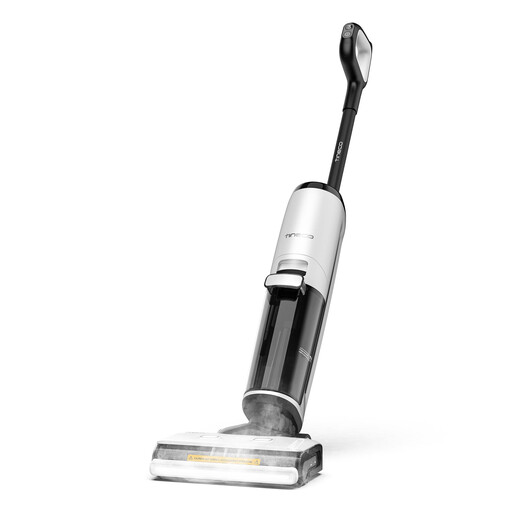
Why it stands out: The Tineco Floor One S7 Steam combines the functions of a steam vacuum with the freedom of a cordless device. It cleans and sanitises hard floors in a single step with 140°C hot steam, while simultaneously vacuuming up dirt and water. The self-cleaning function of the brush roller in the charging station ensures easy maintenance.
Pros:
Who it's for: This model is a great choice for households with predominantly sealed hard floors who are looking for a fast, convenient, and thorough all-in-one solution for daily floor care.
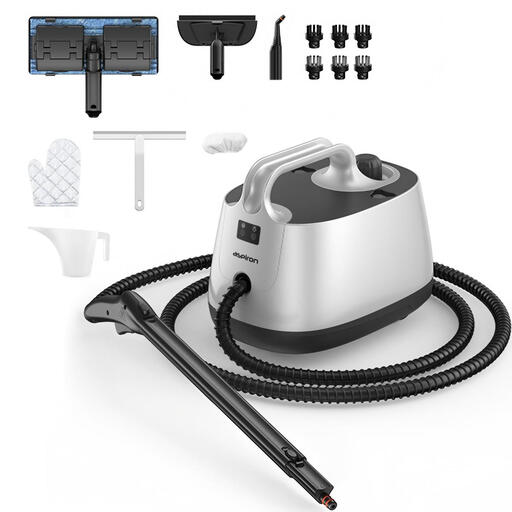
Why it stands out: The ASPIRON CA019 is a classic canister model that impresses with a high steam pressure of 4 bar and a steam temperature of up to 145°C. With its large 1.5-litre water tank and an extensive 21-piece accessory kit, it is equipped for almost any cleaning task around the house.
Pros:
Who it's for: Ideal for users seeking a powerful and versatile appliance for deep cleaning the entire home, including demanding tasks like cleaning grout, upholstery, or car interiors.

Why it stands out: This model from Monsga is distinguished by its extremely short heat-up time of just 15 seconds. The large 1.6-litre water tank allows for a cleaning duration of up to 48 minutes, which is sufficient for areas up to 120 m?. A special feature is the 6-level steam control directly on the handle, which allows for precise adjustment of the steam output to the respective surface.
Pros:
Who it's for: This appliance is suitable for users who value speed and efficiency. The adjustable steam output makes it a flexible solution for households with different types of flooring and cleaning needs.
The models presented here already cover a wide range of needs. However, if you are looking for more specialised devices or alternative models, you can find a more comprehensive selection in our Steam Floor Cleaners category.
1. Can you really clean without chemicals using a steam cleaner? Yes, the operating principle is based on the physical effect of hot water vapour. The high temperature (often over 100°C) effectively dissolves grease and dirt while also having a sanitising effect, reducing the majority of common household bacteria and germs. The use of chemical cleaning agents is therefore not necessary.
2. What surfaces are not suitable for a steam cleaner? Caution is advised on unsealed surfaces. This includes untreated wood, unsealed cork, or laminate with open gaps, as moisture can penetrate and cause the material to swell. Heat-sensitive materials such as velvet, some plastics, or walls treated with water-soluble paints should also not be cleaned with hot steam. When in doubt, it is advisable to test the device on an inconspicuous area.
3. How do I descale a steam cleaner correctly? Limescale deposits can impair the device's performance. To descale, you should follow the manufacturer's instructions. The use of a special descaling agent is often recommended. Alternatively, a mixture of water and white vinegar can be used. After letting the solution sit, the device must be thoroughly rinsed with clean water to remove all residue. Using distilled water can reduce limescale build-up from the start.