
Lieferung heute & morgen

Qualitätsgarantie

Willkommens-Angebote freischalten: KOSTENLOSE Lieferung | Bis zu 80 % RABATT | Kostenlose 30-Tage-JoyPlus-Testphase
App herunterladen
Steam cooking is a gentle method for preparing foods like vegetables, fish, or baby food. It preserves more vitamins and nutrients than boiling in water. However, when it comes to buying a steam cooker, many people face an overwhelming selection. Not every appliance delivers on its promises. Certain design flaws and exaggerated marketing claims often lead to disappointment and unnecessary expense. This guide will help you identify the crucial features and make an informed choice.
Before you decide on a model, you should be aware of the typical weaknesses that often only become apparent in everyday use.
To find the right steam cooker for your needs, focus on three objective criteria: material, design, and capacity.
The material has a direct impact on durability, food safety, and taste.
The right design depends on your cooking habits and the available space in your kitchen.
The size of the steam cooker should match your household size. For one or two people, a volume of 2 to 4 litres is often sufficient. Families will likely need models with 5 litres or more. Appliances with multiple stackable tiers allow you to prepare a complete meal at once, for example, a steamer for vegetables on the bottom tier and fish on the top.
Instead of making a one-size-fits-all recommendation, we have identified products that are tailored to specific use cases.
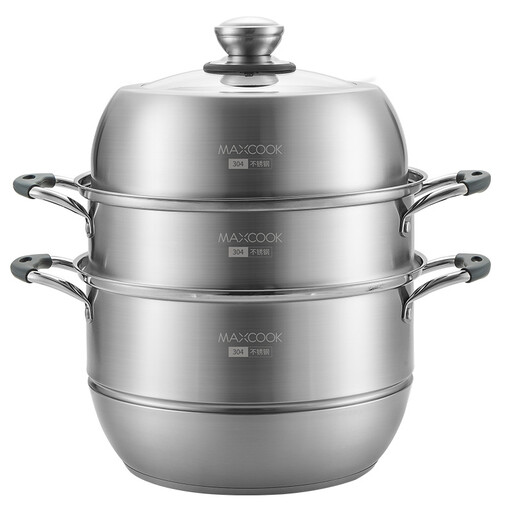
Why It's a Great Fit: Ideal for families who regularly prepare larger quantities. The three tiers and large 30 cm diameter allow for cooking entire meals in one go.
The model is made of durable 304 stainless steel, which prevents warping and material fatigue. As a pot system without electronics, it avoids the pitfall of superfluous and failure-prone features.
Large capacity with three tiers. Compatible with all hob types, including induction. Easy to clean.
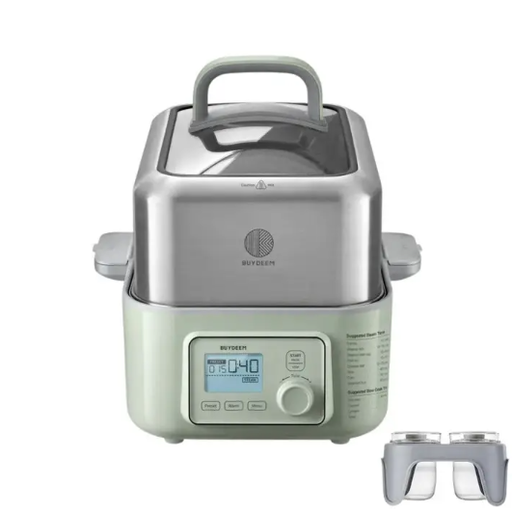
Why It's a Great Fit: For users seeking a versatile, standalone appliance. It combines steaming with functions like stewing, yoghurt making, and defrosting in one device.
Although it's a multi-cooker, its functions are practical and thoughtfully integrated rather than just being gimmicks. The operation remains clear and simple thanks to digital controls. The steamer insert is made of stainless steel.
Multifunctionality (steamer, stew pot, yoghurt maker in one). Fast steam generation in 60 seconds, according to the manufacturer.
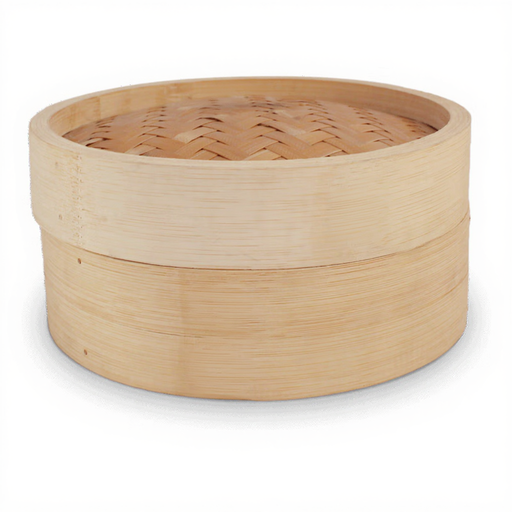
Why It's a Great Fit: For enthusiasts of authentic Asian cuisine who value traditional preparation methods. Perfect for dim sum, vegetables, or fish cooked in a wok or pot.
This product deliberately forgoes all technology and plastics. It focuses on the pure function of steaming with a natural, time-tested material, thus bypassing the pitfalls of modern appliances.
Authentic cooking experience and aroma. The bamboo material absorbs excess steam, preventing condensation from dripping onto the food.
We have compiled a complete, up-to-date list of products that fully meet these strict selection criteria and UK safety regulations.
1. How do you clean a steam cooker properly? Cleaning depends on the material. Stainless steel inserts and pots are usually dishwasher-safe or can be easily cleaned with washing-up liquid. For plastic parts, you should check the manufacturer's instructions regarding dishwasher suitability. Bamboo steamers must not be put in the dishwasher. They should be rinsed with hot water after use and left to air dry. To prevent food from sticking, you can line them with baking paper or lettuce leaves.
2. Which material is better for a steam cooker: stainless steel or plastic? Both materials have their merits. 304 stainless steel is more durable, heat-resistant, and hygienic, as it does not absorb odours or stains. It is often the choice for longevity. BPA-free plastic is lighter, often cheaper, and its transparency allows you to see the food as it cooks. For intensive and long-term use, stainless steel is often preferred.
3. Can you cook entire meals in a steam cooker? Yes, especially in appliances with multiple tiers. For example, you can cook potatoes or rice in the bottom basket, vegetables in the middle, and fish or chicken on top. The cooking times of the individual components must be coordinated by placing the ingredients with the longest cooking time into the steamer first.