
Lieferung heute & morgen

Qualitätsgarantie

Willkommens-Angebote freischalten: KOSTENLOSE Lieferung | Bis zu 80 % RABATT | Kostenlose 30-Tage-JoyPlus-Testphase
App herunterladen
A pile of un-ironed laundry can be a daunting task. Choosing the right tool is crucial not only for getting the job done but also for making it efficient and simple. However, the market for irons is diverse: from classic models and powerful steam generator irons to flexible cordless devices.
This guide is here to help. We will introduce different types of appliances, explain key performance features, and present a selection of models suited for various needs and households. Our goal is to provide you with a factual basis for your decision when you're looking to buy a new steam iron.
Before you decide on a model, several fundamental criteria should be considered. These will help you identify the features most relevant to your needs.
The first fundamental decision concerns the type of appliance. Both have specific advantages and disadvantages.
The effectiveness of an iron depends on several technical factors.
A cordless steam iron offers maximum freedom of movement, which is especially advantageous when ironing large items like bedding or curtains. However, these models must be regularly returned to their base station to reheat. Corded devices provide an uninterrupted power and steam supply, which can be beneficial for long ironing sessions.
Here is a selection of three appliances that cover different needs—from large families to tech-savvy users.
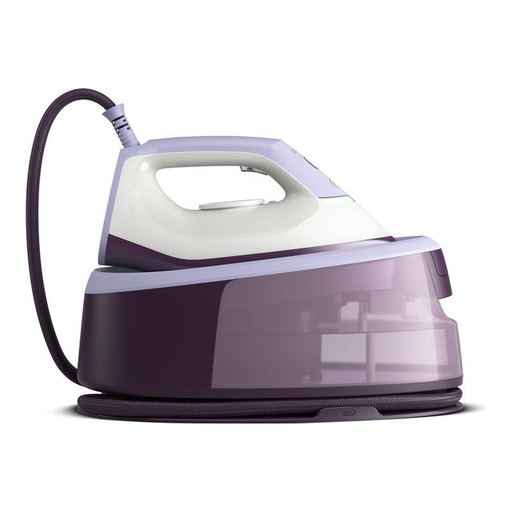
Why it stands out: This steam generator iron from Philips is designed for high performance and efficiency. With a very high steam output and a large water tank, it's built to smooth large quantities of laundry quickly and effortlessly.
Advantages:
Who is it for? Ideal for families and households that regularly face large piles of laundry and prioritise efficiency.
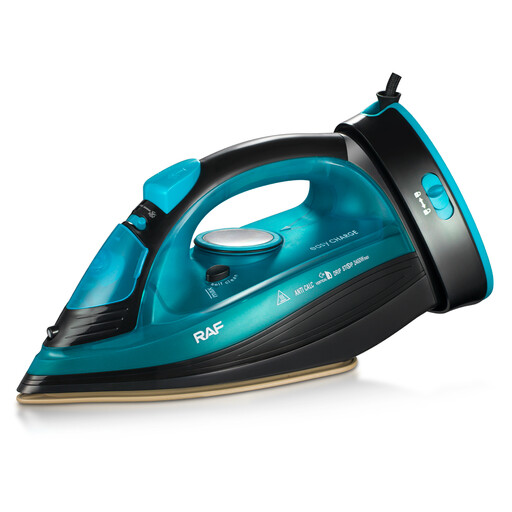
Why it stands out: The cordless steam iron from RAF offers unrestricted freedom of movement. The absence of a cord makes handling significantly easier, especially with bulky textiles.
Advantages:
Who is it for? For users who value maximum flexibility, often iron large textiles like curtains, or are looking for a compact and easy-to-store solution.
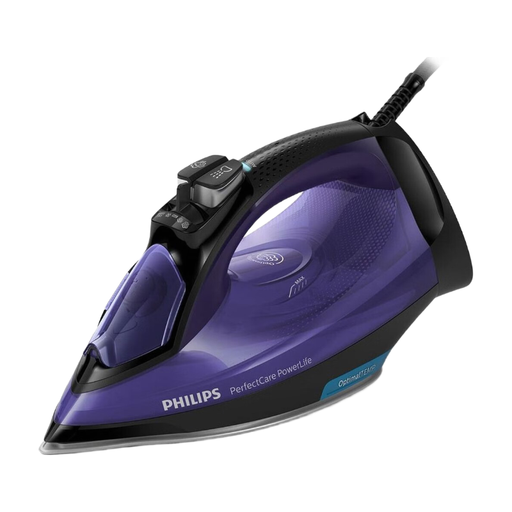
Why it stands out: This classic Philips iron is distinguished by its OptimalTEMP technology. It is an iron with no temperature setting that automatically adjusts the temperature to the respective fabric.
Advantages:
Who is it for? Perfect for anyone looking for a simple, safe, yet powerful ironing solution for everyday use who doesn't want to bother with sorting laundry or temperature settings.
Didn't find the right model for your needs yet? Every ironing task is different, and the selection of appliances is vast. Perhaps you're looking for an especially compact travel iron or a model with specific features.
Discover more appliances and find the perfect solution in our Top-Rated Irons category.
1. How much steam should a good steam iron have? For general household use, a continuous steam output of 30–50 g/min is usually sufficient to remove most wrinkles. For heavy fabrics like linen or denim, or for high volumes of laundry, a steam generator iron with a continuous steam output of over 100 g/min can significantly speed up the job.
2. What is the advantage of a ceramic soleplate on an iron? A ceramic soleplate offers several advantages. It is characterized by excellent glide, which makes ironing less strenuous. It also distributes heat very evenly across the entire surface, reducing the risk of heat damage to delicate fabrics. Ceramic soleplates are also scratch-resistant and easy to clean.
3. How does an anti-calc system work in a steam iron? An anti-calc system prevents the buildup of limescale deposits caused by minerals in tap water. There are various mechanisms: some devices use a permanent calc collector that is simply emptied and rinsed. Others use replaceable cartridges or a self-cleaning function (Calc-Clean), where limescale particles are flushed out of the device with hot steam. This ensures consistently high steam performance and extends the life of the iron.