
Lieferung heute & morgen

Qualitätsgarantie

Willkommens-Angebote freischalten: KOSTENLOSE Lieferung | Bis zu 80 % RABATT | Kostenlose 30-Tage-JoyPlus-Testphase
App herunterladen
The selection of strawberry spreads on the market is vast. From fruit spreads with a high fruit content and organic varieties to products developed specifically for children, making a choice can be difficult. This guide provides orientation and presents objective criteria to help you find the right strawberry spread for your needs. We also feature a selection of products with different characteristics.
To make an informed decision, a few basic product features are key. The following points will help you recognise the differences between the various options available.
The terms on the label provide the first clues about the composition. Within the EU, there are clear regulations on what can be called "marmalade" or "jam" (Konfitüre).
Texture is a key distinguishing feature. Whether you prefer a spread with whole fruit pieces or a finely sieved variety is a matter of personal taste.
The ingredients list provides information about the product's quality. Shorter lists often indicate a less processed recipe.
Here is a selection of products that cater to different consumer preferences—from organic quality and an extra-smooth texture to a high fruit content.
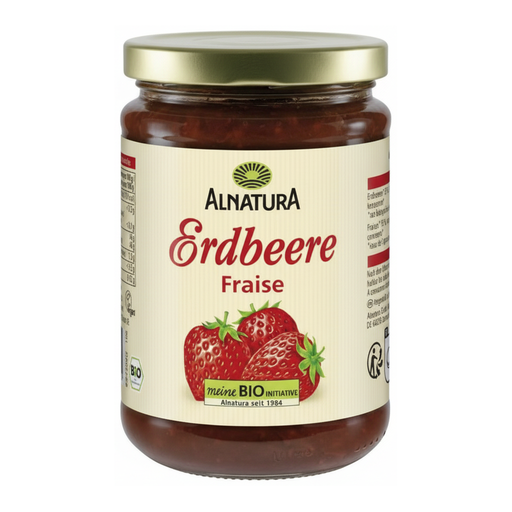
Why it stands out: This spread combines a high fruit content with certified organic quality. The chunky consistency ensures an intense fruit experience.
Benefits:
Best for: Consumers who value organic farming and a spread with noticeable fruit pieces.
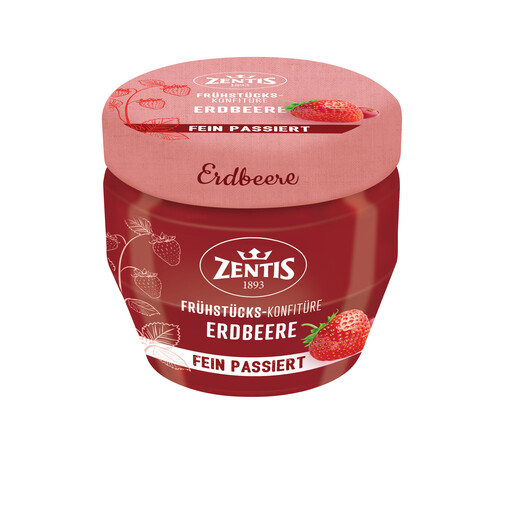
Why it stands out: As its name suggests, this jam from Zentis is distinguished by its completely strained, smooth texture without any fruit pieces or seeds.
Benefits:
Best for: Anyone who prefers a strawberry jam without pieces, as well as for use in yoghurt, quark desserts, or as a filling for pastries.
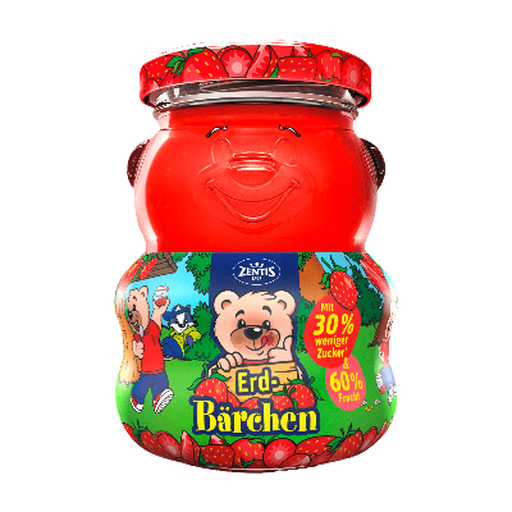
Why it stands out: This fruit spread was developed specifically with children's preferences in mind. It combines a very high fruit content with a fine, puréed consistency.
Benefits:
Best for: A great choice as a jam for children and for families looking for an especially fruity yet smooth spread.
Haven't found the right spread for your taste yet, or are you looking for other fruit varieties? In our comprehensive category, you'll find a wider selection of products for every breakfast table.
? Discover more jams & spreads here
In the EU, the term "marmalade" is reserved for products made from citrus fruits. "Jam" (Konfitüre) is made from other fruits and has a legally defined minimum fruit content. "Fruit spread" is not a protected designation but often characterises products with a particularly high fruit content that exceeds the legal requirements for jam.
Once opened, the fruit spread should always be stored in the refrigerator. To maximise its shelf life and prevent contamination, it is recommended to always use a clean spoon. Follow the manufacturer's storage instructions on the label.
The fruit content must be declared in the ingredients list. It is usually stated as a percentage (%) or as "g per 100 g". A fruit spread with a high fruit content often contains 50% or more fruit. A look at the nutrition facts table and the order of the ingredients also provides clues.