
Lieferung heute & morgen

Qualitätsgarantie
App herunterladen
Kategorien
The demand for protein-rich snacks with low sugar content is steadily increasing. For active and health-conscious individuals, these protein bars offer a convenient way to meet daily protein requirements without unnecessarily increasing sugar intake. This article analyses the key criteria for selecting a low-sugar protein bar and presents a selection of products based on their technical specifications.
The evaluation of a low-carb bar should be based on objective parameters. The following criteria will help you find a product that meets your individual needs.
Protein content is a key indicator of a bar's effectiveness. Values typically range from 15 to 25 grams per serving. The protein source is also relevant:
A bar is considered low-sugar if it typically contains less than 5 grams of sugar per 100 grams. To achieve a sweet taste, sugar alcohols (polyols) like maltitol, xylitol, or erythritol are often used. These have fewer calories than sugar and have a smaller impact on blood sugar levels. For products with a high polyol content, a warning on the packaging about potential laxative effects from excessive consumption is common and legally required.
Fibre contributes to a feeling of fullness and supports normal digestive function. A high fibre content, often achieved with ingredients like fructo-oligosaccharides or polydextrose, can be a hallmark of a well-designed high-protein snack.
For individuals following a ketogenic or low-carb diet, the net carbohydrate content (total carbs minus polyols) is crucial. The type of fat should also be considered; some bars use cocoa butter or nut oils as high-quality fat sources. If you're looking to buy keto bars, you should pay close attention to the nutrition facts panel.
A transparent and short ingredient list is often an indicator of a high-quality product. Check for the labelling of allergens such as milk, soy, gluten, nuts, or eggs to avoid intolerances.
The following products were analysed based on their nutritional profiles and compositions.
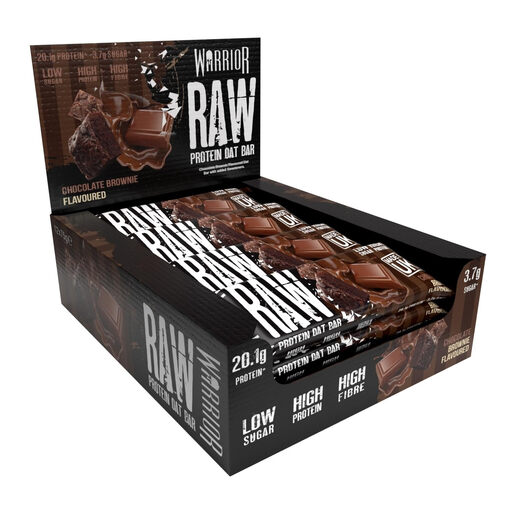
Why we're considering this product: This bar combines the texture of a traditional oat flapjack with the nutritional benefits of a modern fitness bar. The oat base provides high satiety and delivers complex carbohydrates, making it a good source of energy pre-workout or as a filling snack.
Benefits (based on manufacturer's claims):
Who it's for: Individuals who prefer a substantial, filling high-protein snack with a classic oat texture and are looking for an energy source for before or after a workout.
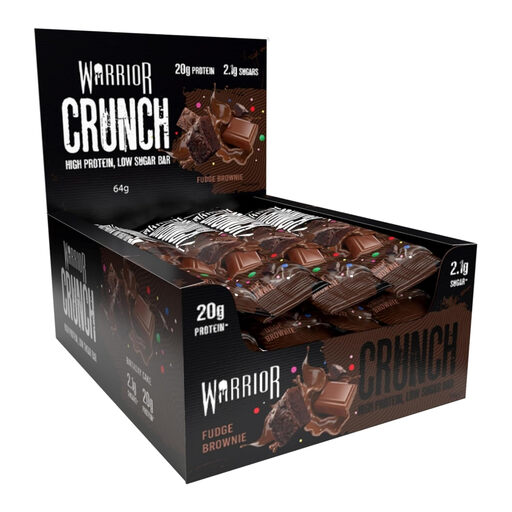
Why we're considering this product: The Warrior Crunch bar stands out for its extremely low sugar content and multi-layered texture, reminiscent of a conventional chocolate bar. This makes it an appealing option for users looking for a candy bar alternative that fits strictly into a low-carb or keto diet.
Benefits (based on manufacturer's claims):
Who it's for: Users on a low-carb or keto diet, and anyone looking for a chocolate protein bar with minimal sugar and a crispy, varied texture.
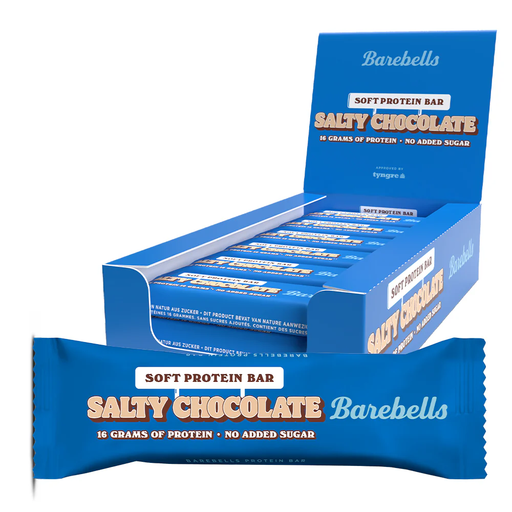
Why we're considering this product: The Barebells Soft Protein Bar sets itself apart from many other, often chewy, protein bars with its exceptionally soft consistency. The combination of salty and chocolatey notes appeals to users who prefer a balanced flavour experience without excessive sweetness.
Benefits (based on manufacturer's claims):
Who it's for: Individuals who prefer a soft, almost cake-like texture and are looking for a flavour-balanced bar for weight management or as a protein-rich treat.
The products presented here represent a selection covering different preferences in texture and nutritional profile. The market offers a wide variety of other products that differ in protein sources, sweeteners, and flavours. For a more comprehensive overview and other specialised products, you can explore our healthy protein bars category.
1. Can sugar-free protein bars help with weight loss? Sugar-free protein bars can play a supportive role in a calorie-controlled diet. Protein has a high satiating effect, which can help control overall calorie intake. However, they do not replace a balanced meal and should be considered part of a holistic diet and exercise plan.
2. When is the best time to eat a protein bar? A protein bar can be used flexibly. Common times include:
3. What does "no added sugar" mean on protein bars? The "no added sugar" claim means that no table sugar (sucrose) or other mono- and disaccharides were added to the product during manufacturing. However, the bar may contain naturally occurring sugars (e.g., lactose from milk protein) as well as sugar alcohols (polyols) as sweeteners. The total sugar content is declared in the nutrition facts panel on the packaging.