
Lieferung heute & morgen

Qualitätsgarantie

Willkommens-Angebote freischalten: KOSTENLOSE Lieferung | Bis zu 80 % RABATT | Kostenlose 30-Tage-JoyPlus-Testphase
App herunterladen
Choosing the right sun lounger requires a careful analysis of its material properties, functionality, and intended use. Whether for the garden, patio, or balcony, the technical specifications of the materials and construction are crucial for durability and comfort. This guide breaks down the key parameters to consider when selecting a garden lounger or reclining lounger.
The choice of material directly impacts the lounger's weather resistance, weight, maintenance requirements, and aesthetic. The most common materials are aluminium, wood, and steel, often combined with textile slings.
Aluminium is a lightweight metal known for its high resistance to corrosion. Anodised or powder-coated aluminium forms a protective layer, making the material impervious to moisture and UV radiation.
Wood, particularly hardwoods like acacia or teak, is valued for its natural aesthetic and robustness. A wooden sun lounger blends harmoniously into a natural garden setting.
Due to its high strength, steel is a frequently used material for garden furniture frames. To prevent rust, steel frames are typically powder-coated.
Beyond the material, functional aspects are crucial for a lounger's practical usability.
The following models have been selected based on their technical specifications and functional features.
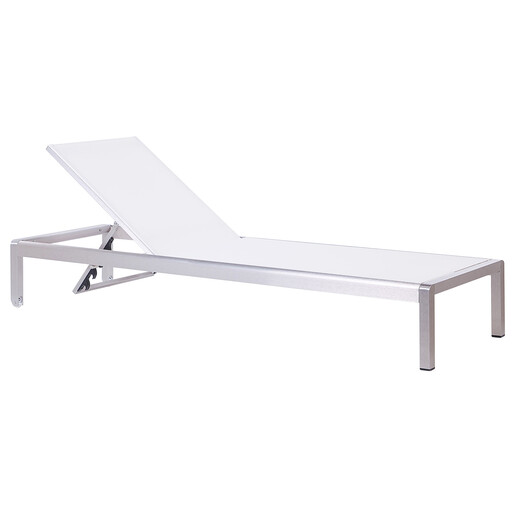
Why We Recommend This Product This model combines a lightweight, rustproof aluminium frame with a low-maintenance mesh sling. The integrated wheels and adjustable backrest offer a high degree of functionality and comfort for daily use.
Pros
Who It's For This model is suitable for users seeking a modern, durable, and mobile weatherproof sun lounger for the patio or pool area, who also value minimal maintenance.
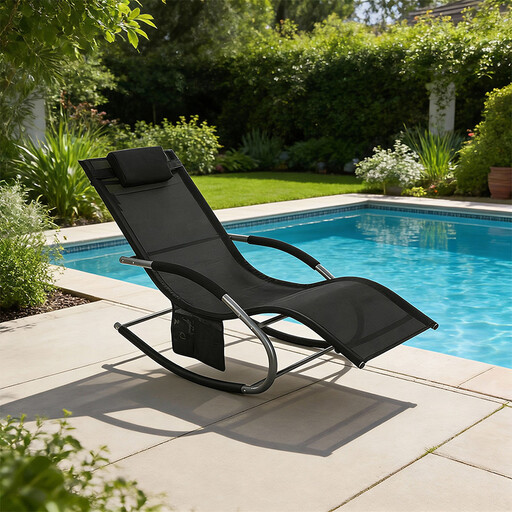
Why We Recommend This Product The design of this lounger is focused on ergonomics and portability. Its low weight, folding function, and high load capacity make it a versatile solution for various locations.
Pros
Who It's For Ideal for individuals who need a lightweight and portable lounger for the patio and balcony. Its folding feature also makes it suitable for camping trips or smaller outdoor spaces.
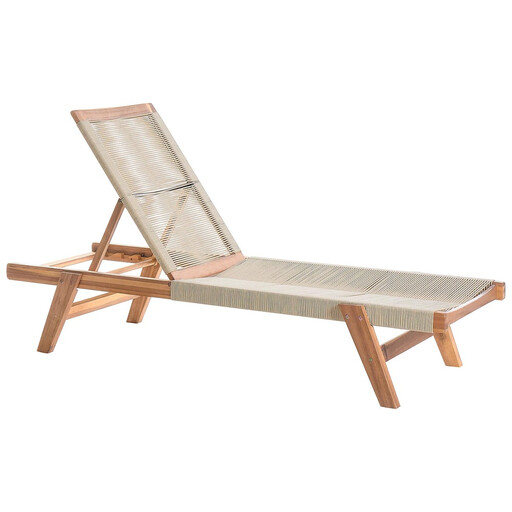
Why We Recommend This Product This model stands out for its use of solid acacia wood and classic design. The 5-position adjustable backrest and robust construction offer a durable and aesthetic addition to any garden.
Pros
Who It's For This model is aimed at enthusiasts of natural materials who are looking for a stationary and distinguished wooden sun lounger for their garden and are prepared for the maintenance typically required for wooden furniture.
The models presented here cover specific use cases and material preferences. For a broader overview of designs, materials, and features that cater to different requirements and space constraints, comparing additional products is recommended.
Visit our Outdoor Loungers category to compare more options.
1. What does "weatherproof" mean for a sun lounger? The term weatherproof describes the material's resistance to environmental factors such as UV radiation, rain, and temperature fluctuations. For metals like aluminium or powder-coated steel, this means rust resistance. For wood, it refers to resistance against rot and warping, which is maintained through proper treatment (e.g., oiling). Textile slings should be UV-stabilised and water-repellent.
2. How do I properly maintain a wooden sun lounger? The maintenance of a wooden sun lounger, such as one made from acacia, involves several steps. First, the surface should be cleaned with a soft brush and a mild soap solution. After it has dried completely, a thin layer of conditioning oil suitable for the specific type of wood should be applied to protect it from moisture and UV radiation. This treatment should be performed once or twice a year, depending on weather exposure, especially before winter storage.
3. Is a folding garden lounger stable enough? The stability of a folding garden lounger depends on the quality of its construction and materials. Models with a robust steel or aluminium frame and secure locking mechanisms offer excellent stability. A key indicator is the maximum load capacity specified by the manufacturer. For example, the SoBuy model has a load capacity of 150 kg, which is sufficient for most adults.