
Lieferung heute & morgen

Qualitätsgarantie

Willkommens-Angebote freischalten: KOSTENLOSE Lieferung | Bis zu 80 % RABATT | Kostenlose 30-Tage-JoyPlus-Testphase
App herunterladen
Choosing the right sun lounger seems simple, yet subtle flaws or exaggerated marketing claims often lead to a purchase you quickly regret. A lounger that rusts after one summer, has a jamming adjustment mechanism, or is simply uncomfortable can significantly diminish the enjoyment of your own garden or balcony. As your Joybuy Product Recommendation Officer, I'll help you recognise the common pitfalls and make an informed decision.
Before we turn to the important features, let's look at the three most common mistakes that lead to disappointment and unnecessary expense.
To avoid these traps, you should check three crucial parameters before buying. These define the quality, durability, and user comfort of your future sun lounger or relaxing lounger for the balcony.
The material largely determines how well your lounger withstands the elements and how much maintenance it requires.
A good garden lounger adapts to your needs, not the other way around.
Here are three models tailored to different needs that meet the quality criteria mentioned.
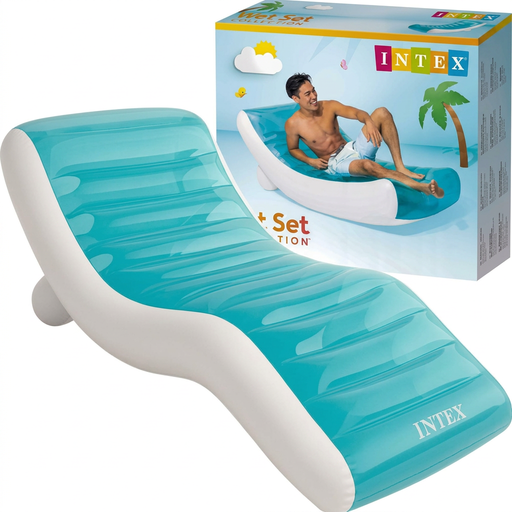
Why this model is a great fit: Ideal for anyone looking for a straightforward and portable solution for the pool, the lake, or as a spontaneous lounging spot in the garden. Easy to transport and store compactly.
This model doesn't pretend to be a permanent, weather-resistant garden lounger. It perfectly fulfils its purpose as a robust air mattress, thus avoiding the trap of buying a cheap, non-durable piece of garden furniture.
Made from 0.35 mm thick, puncture-resistant vinyl and equipped with a two-chamber system for added safety in the water.
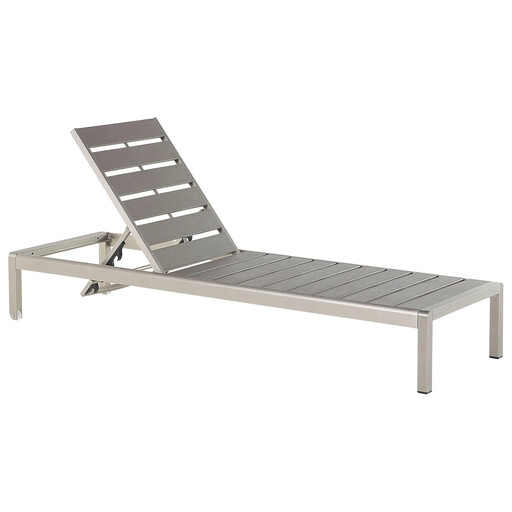
Why this model is a great fit: For homeowners seeking a stylish and durable solution for their patio or balcony. The modern design blends seamlessly into sophisticated outdoor spaces.
The material trap is bypassed by combining a rust-proof aluminium frame with weather-resistant composite wood. The functionality trap is avoided with the 4-way adjustable backrest and smooth-running wheels.
UV-resistant materials and a sturdy, rust-proof frame ensure a long lifespan with low maintenance.
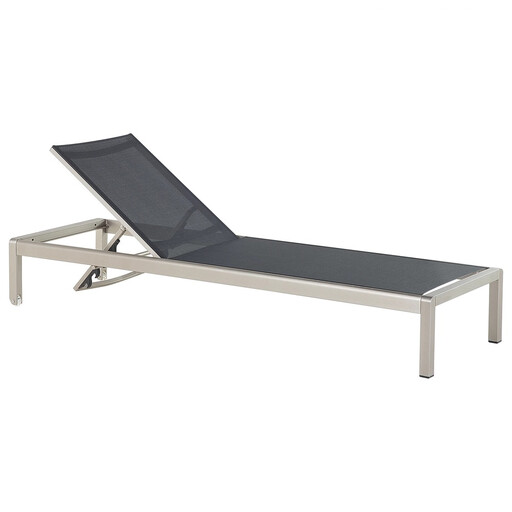
Why this model is a great fit: Perfect for users who value minimal maintenance, low weight, and a clean, functional design. A classic aluminium garden lounger for straightforward use.
The combination of an aluminium frame and mesh fabric is extremely low-maintenance and weather-resistant. The 4-way adjustable backrest, which can be laid completely flat, meets all functional requirements without compromise.
Very low weight (14 kg) for easy repositioning and a high maximum weight capacity of 150 kg, which indicates a stable construction.
We have compiled a complete, up-to-date list of products that fully meet these strict selection criteria and safety regulations.
An aluminium garden lounger is very low-maintenance. A mild soap solution and a soft cloth are usually sufficient for cleaning. Avoid abrasive cleaners or hard brushes, as they can damage the surface. In winter, it is advisable to cover the lounger with a protective cover or store it in a dry, cool place to maximise its lifespan.
The term "weather-resistant" is not standardized. Ideally, it means that the material is resistant to UV radiation (no fading), moisture (no rust or mould), and temperature fluctuations. A truly weather-resistant garden lounger is made of materials like aluminium, high-quality stainless steel, poly-rattan, or composite wood. Caution is advised with powder-coated steel, as the protective layer can be damaged.
That depends on the size and material of the wheels. Models with large, rubberised wheels are much easier to move across lawns or uneven surfaces than those with small, hard plastic wheels. If you plan to move the lounger frequently on the lawn, pay close attention to this aspect in the product description.