
Lieferung heute & morgen

Qualitätsgarantie

Willkommens-Angebote freischalten: KOSTENLOSE Lieferung | Bis zu 80 % RABATT | Kostenlose 30-Tage-JoyPlus-Testphase
App herunterladen
Choosing the right sunscreen can be a challenge with countless products and marketing claims to navigate. Many formulations don't deliver on their promises, which can lead to inadequate protection or skin irritation. As your Joybuy Product Recommendation Officer, I'll help you identify the crucial features and avoid common pitfalls, so you can make an informed decision for your skin.
Before we dive into the selection criteria, it's important to understand the most widespread misconceptions and exaggerated advertising claims that often lead to poor product choices.
To find the right sunscreen, you should focus on objective and verifiable criteria. These three parameters are crucial.
An effective sunscreen must protect against both UVB and UVA rays.
Sunscreen products use different types of UV filters, each with specific properties.
The texture and additional nourishing properties determine the application experience and the added value for your skin.
Here are some product recommendations tailored to specific needs and lifestyles.
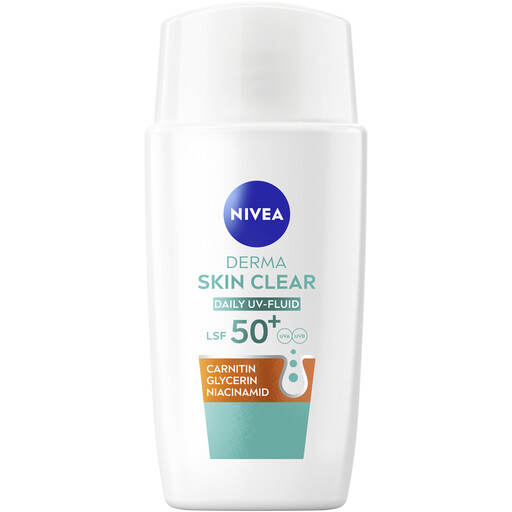
Why This Fits Their Persona: Ideal for those with oily or blemish-prone skin who are looking for a daily, lightweight sunscreen that doesn't shine or clog pores and works well under makeup.
This fluid solves the problem of unsuitable textures. The ultra-light, non-comedogenic formula was specifically developed for blemish-prone skin and prevents the greasy film that many other sunscreens leave behind.
Provides an 8-hour mattifying effect and contains salicylic acid and niacinamide to control blemishes. It absorbs instantly and leaves an invisible finish.
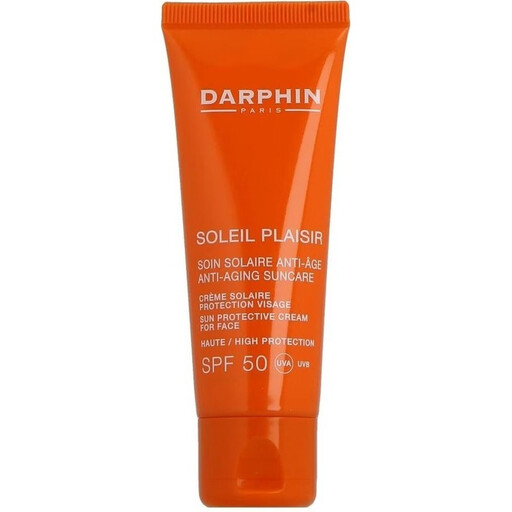
Why This Fits Their Persona: Perfect for users seeking not only high UV protection but also premium skincare to prevent photoaging. The luxurious texture appeals to skincare enthusiasts.
This product goes beyond a sole focus on SPF by combining high broad-spectrum protection (UVA/UVB) with targeted anti-aging ingredients. It directly addresses concerns about long-term damage from UVA rays.
The formula is enriched with hyaluronic acid and vitamin E to intensely moisturize the skin. Its silky, non-greasy texture absorbs quickly and is suitable as a makeup base.
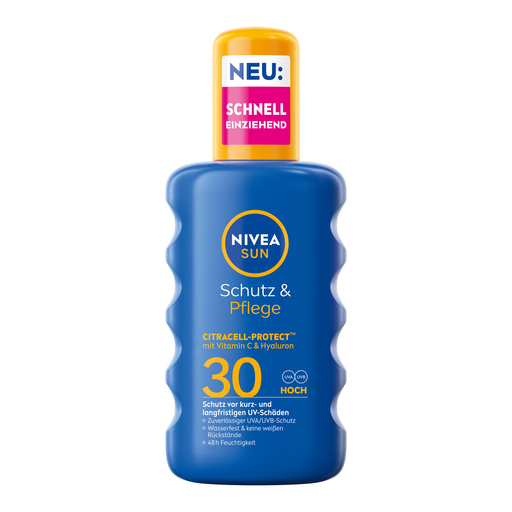
Why This Fits Their Persona: Suitable for families and active individuals who need a practical, quick-to-apply sunscreen for the body that is reliable during sports or at the beach.
This spray counters the "water-resistant" trap with an easy application that facilitates the necessary, regular reapplication. The spray format is much more convenient than a thick cream, especially after swimming.
According to the manufacturer, the water-resistant formula provides 48 hours of moisture and protects the skin from drying out. The spray absorbs quickly without being greasy and is easy to apply.
We've compiled a complete, up-to-date list of products that fully meet these strict selection criteria and European regulations.
1. How much sunscreen should you apply? A common recommendation for adults is the "two-finger rule" for the face and neck: draw two lines of sunscreen on your index and middle fingers. For the entire body, an amount of about 30–40 millilitres (about a full shot glass) is recommended. Applying too little significantly reduces the level of protection.
2. What is the difference between UVA and UVB rays? UVB rays (B for "Burning") are short-wave and penetrate the top layer of the skin (epidermis). They are primarily responsible for sunburn. UVA rays (A for "Aging") are long-wave and penetrate deeper into the dermis. There, they damage collagen and elastin, leading to premature skin aging and wrinkles. A good sunscreen protects against both.
3. Can I still use last year's sunscreen? Check the packaging for a period-after-opening symbol, often an open jar with a number (e.g., "12M"). This number indicates how many months the product is good for after opening. Unopened, sunscreens usually have a shelf life of about 30 months. If the color, smell, or consistency has changed, or if the expiration date has passed, you should discard the product, as its protective effect is no longer guaranteed.