
Lieferung heute & morgen

Qualitätsgarantie

Willkommens-Angebote freischalten: KOSTENLOSE Lieferung | Bis zu 80 % RABATT | Kostenlose 30-Tage-JoyPlus-Testphase
App herunterladen
By Joybuy Product Recommendation Officer, August 30, 2026
Choosing the right SPF 30 sunscreen is crucial for daily skin protection. However, the market is overwhelming, and marketing claims often create more confusion than clarity. Many products fail to deliver on their promises, leading to skin irritation or leaving an unpleasant feel on the skin. This guide will help you avoid the most common purchasing pitfalls and make an informed decision based on objective criteria.
Before making a decision, it's important to clear up common misunderstandings that often lead to poor product choices.
To find the right sun care product, you should check three technical features. This information can be found on the product packaging.
UV radiation consists of different wavelengths with varying effects on the skin:
Look for the UVA symbol (a circle with "UVA" inside) on the packaging. It guarantees that the UVA protection is at least one-third of the stated SPF, thus meeting the EU recommendation.
Sunscreen products use different filter mechanisms to protect the skin.
The product's base is crucial for how it feels on the skin and its suitability for different applications.
Based on the criteria above, we have identified products suited for specific needs and lifestyles.
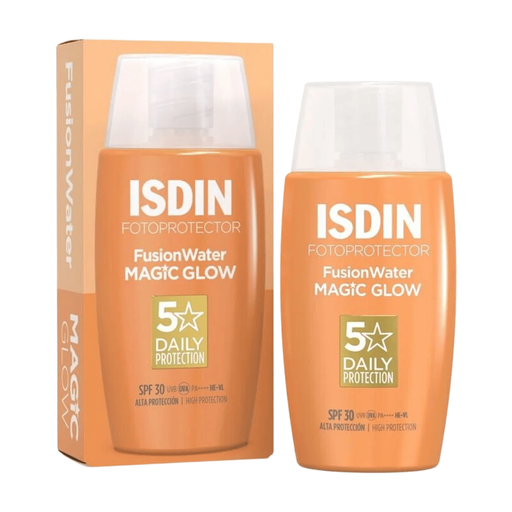
Why This Fits Their Persona: Ideal for users seeking an ultra-lightweight facial sunscreen for daily use. The water-based formula absorbs instantly, is non-greasy, and serves as a perfect makeup base while giving the skin a subtle glow.
The Fusion Water texture bypasses the trap of heavy, sticky sunscreens. Its lightness encourages daily application, the most critical factor for effective protection.
Offers broad-spectrum protection (UVA/UVB) and protection against visible light (HEVL). The formula is oil-free, non-comedogenic, and hypoallergenic.
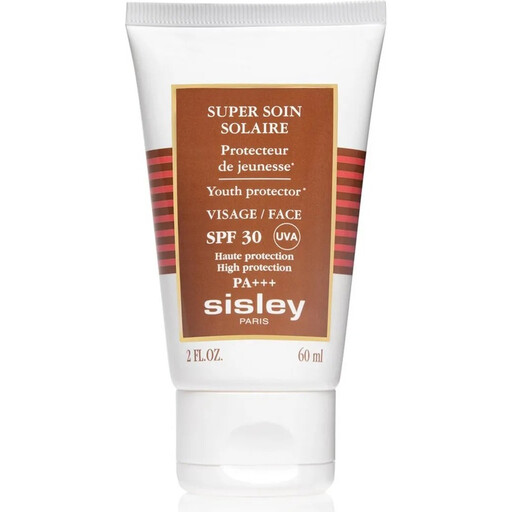
Why This Fits Their Persona: For users who see sunscreen as an integral part of their anti-ageing routine. This product combines protection with high-quality skincare to shield the skin from photo-ageing.
This product goes beyond the mere SPF value to specifically address UVA protection, which is responsible for skin ageing. It debunks the myth that sunscreen only prevents sunburn.
Contains nourishing ingredients like Camellia oil, Mango extract, and Shea butter. The formula moisturises, nourishes, and soothes the skin in addition to providing sun protection.
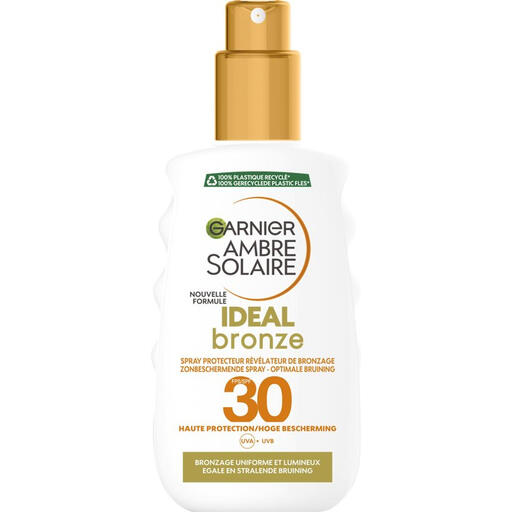
Why This Fits Their Persona: Perfect for active individuals and families who need a straightforward, quick-to-apply sunscreen for the body. The spray format and 200ml size are ideal for the beach or sports activities.
The product is declared as water-resistant, but the application instructions emphasize the need for regular reapplication. The spray format makes this repeated application much easier.
Non-greasy, water-resistant formula that absorbs quickly. According to the manufacturer, the bottle is made from 100% recycled plastic.
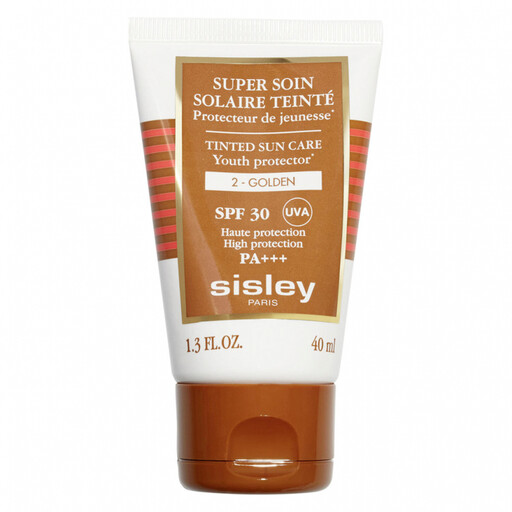
Why This Fits Their Persona: For anyone who wants a tinted SPF 30 sunscreen that evens out the complexion while providing protection. It combines the benefits of a lightweight foundation with those of a high-quality sun care product.
The tinted formula bypasses the white cast problem common with many mineral sunscreens. The result is a natural finish with no visible residue.
Offers broad-spectrum (UVA/UVB) protection and a light, silky texture. The formula is enriched with moisturising ingredients like Shea butter and Camellia oil.
We have compiled a complete, up-to-date list of products that fully meet these strict selection criteria and all relevant safety regulations.
As a rule of thumb, use the two-finger rule for the face and neck: dispense two strips of sunscreen onto your index and middle fingers. This amount ensures you achieve the protection factor stated on the packaging. For the entire body, an amount of about 30 to 40 millilitres (roughly a shot glass full) is recommended for an adult.
Check the period-after-opening (PAO) symbol on the packaging, usually a small open jar with a number (e.g., "12M"). This number indicates how many months the product is good for after opening. If this period has passed, or if the product's colour, smell, or consistency has changed, you should discard it, as its protective effect can no longer be guaranteed.
Yes, as long as it is applied correctly and in a sufficient amount. The pigments in a tinted sunscreen are primarily for cosmetic coverage and do not affect the efficacy of the UV filters. It is crucial to use the recommended amount to ensure you get the full SPF protection.