
Lieferung heute & morgen

Qualitätsgarantie

Willkommens-Angebote freischalten: KOSTENLOSE Lieferung | Bis zu 80 % RABATT | Kostenlose 30-Tage-JoyPlus-Testphase
App herunterladen
The selection of nutrient-dense foods is constantly growing, and superfood seeds have become a popular addition to a conscious diet. Whether in muesli, salads, or baked goods, they offer a simple way to enhance your meals. However, with the wide variety of flaxseed, chia seeds, and hemp seeds available, the choice can be overwhelming. This guide offers clear orientation, objectively presenting the properties of various seeds to help you make an informed choice for your dietary goals.
To find the right product for your needs, a few criteria can help guide your selection.
The form in which seeds are sold directly impacts how well your body can absorb their nutrients. With milled flaxseed, for example, the hard outer shell is broken down. This gives your body easier access to valuable components like omega-3 fatty acids. Whole seeds, on the other hand, often pass through the digestive tract undigested. Their advantage is a longer shelf life. Milled products should be stored in a cool place after opening and consumed quickly to preserve the quality of the fats.
Every seed has a unique nutrient profile. If you're looking for a vegan protein source, hulled hemp seeds are an excellent option due to their high protein content. Chia seeds and flaxseed are known for their high fibre content and absorbent properties, making them valuable high-fibre foods. Pay attention to the nutritional information when choosing, so you can find the product that best complements your diet.
For many consumers, the origin of their food is a crucial factor. Organic seeds come from organic farming, which avoids the use of synthetic chemical pesticides and fertilisers. Products with a recognised organic seal, such as the EU organic logo, meet strict legal standards. A look at the packaging will provide information about the certification and the country of origin of the raw materials. For instance, those looking to buy Alnatura seeds will find products sourced from organic agriculture.
Here, we present three products that stand out for their specific properties and uses.
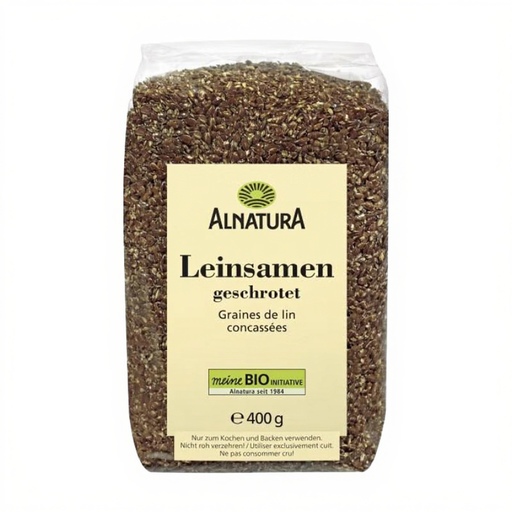
Why It Stands Out This milled flaxseed from Alnatura comes from organic farming and is already broken down, which aids nutrient absorption. Its nutty, aromatic flavour makes it a versatile ingredient in the kitchen.
Benefits
Who It's For This product is ideal for individuals looking to increase their fibre intake and enrich their meals with a plant-based ingredient. It fits well into the daily routine of home cooks and anyone who values organic quality.
View Product: Alnatura Milled Flaxseed 400g
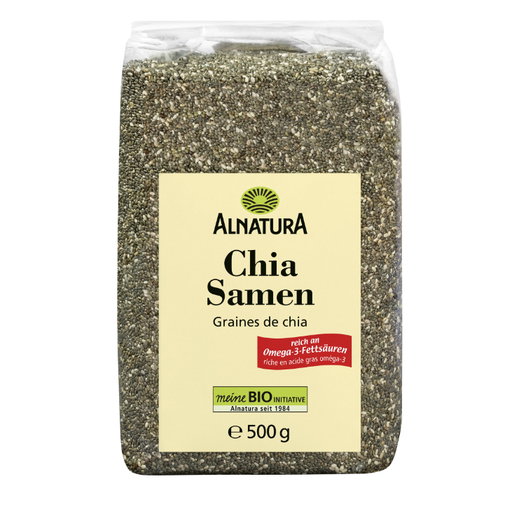
Why It Stands Out Alnatura's chia seeds are known for their neutral taste and high absorbency. They are rich in omega-3 fatty acids and fibre, and are also sourced from organic farming.
Benefits
Who It's For Ideal for health-conscious consumers looking for a simple way to boost their intake of fibre and omega-3 fatty acids. Their versatility makes them especially suitable for preparing puddings, smoothies, or as an egg substitute in baking. According to EU Regulation 2013/50/EU, daily intake should not exceed 15 g.
View Product: Alnatura Chia Seeds 500g
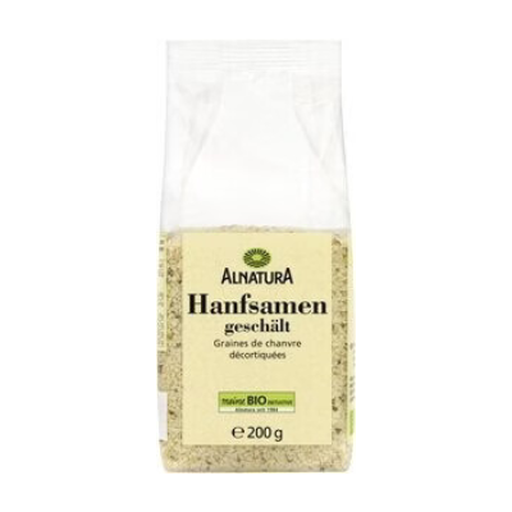
Why It Stands Out These hulled hemp seeds from Alnatura are a remarkable plant-based protein source. With their nutty flavour and crunchy texture, they enhance both sweet and savoury dishes. They come from organic farming and have no intoxicating effects.
Benefits
Who It's For This product is aimed at athletes, vegans, and anyone looking to increase their protein intake from plant-based sources. They are a simple addition for anyone wanting to add a nutritious and flavourful crunch to their meals.
View Product: Alnatura Organic Hulled Hemp Seeds 200g
The world of nutrient-rich seeds and kernels is vast. If you are looking for more alternatives beyond the products featured, or wish to expand your range of healthy snacks, you can find a wider selection of high-quality organic products in our Organic Dried Fruits category.
Discover More Organic Products Here
1. What is the best way to integrate superfood seeds into your daily diet? Seeds are very easy to incorporate into your daily routine. You can sprinkle them over muesli or yoghurt in the morning, blend them into smoothies, or use them as a topping for salads and soups. They can also be mixed into the dough when baking bread or rolls.
2. Do you have to mill flaxseed to benefit from its nutrients? Yes, it is recommended to consume flaxseed in a milled form. The hard shell of whole seeds can barely be broken down by the human digestive system, meaning the valuable omega-3 fatty acids and other nutrients are largely excreted without being absorbed.
3. What is the difference between chia seeds and flaxseed? Although both seeds are rich in fibre and omega-3 fatty acids, there are differences. Chia seeds are neutral in taste and can absorb many times their weight in liquid, making them ideal for puddings. Flaxseed has a much nuttier flavour. Additionally, the ratio of omega-3 to omega-6 fatty acids in flaxseed tends to be more favourable.