
Lieferung heute & morgen

Qualitätsgarantie

Willkommens-Angebote freischalten: KOSTENLOSE Lieferung | Bis zu 80 % RABATT | Kostenlose 30-Tage-JoyPlus-Testphase
App herunterladen
Crafting authentic sushi at home starts with one crucial ingredient: the right rice. Given the vast array of varieties, brands, and package sizes, choosing the perfect product can be a challenge. This guide is designed to help you understand the characteristics of high-quality sushi rice and make an informed purchasing decision that meets your needs—whether you're occasionally preparing onigiri or regularly rolling sushi for family and friends.
To find the right rice for your culinary projects, there are a few fundamental criteria to consider. These will help you objectively evaluate the product's features.
Sushi is traditionally made with Japanese rice of the short-grain variety (Jap. Uruchimai). Its grains are short, plump, and have a high starch content (amylopectin). During cooking, this starch causes the grains to stick together without becoming mushy. The result is a sticky rice for sushi that is shapeable while retaining its distinct grain texture—an essential characteristic for nigiri and maki rolls. A particularly well-known and prized variety in this category is Koshihikari rice, renowned for its balanced ratio of stickiness, texture, and subtly sweet flavour.
The origin can provide insight into the rice's characteristics. Rice from Japan, like the aforementioned Koshihikari, is often considered the benchmark for high quality. However, there are also high-quality alternatives from other growing regions such as Italy, the USA, or certain parts of Asia that can offer excellent value for money. Look for clear labelling of the variety and country of origin on the packaging.
When you buy sushi rice, you should match the package size to your consumption habits.
Here is a selection of products that are well-suited for different applications due to their specific properties.
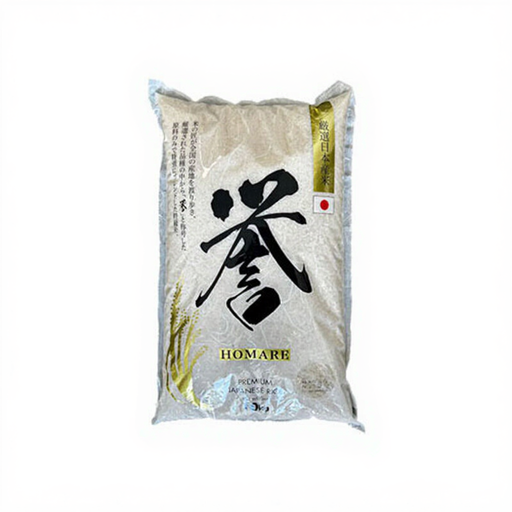
Why It Stands Out: This Koshihikari rice is grown in Japan and is considered a benchmark for high-quality Japanese table rice. The short, round grains are distinguished by their pearly white colour, a subtle sweetness, and a sticky yet firm texture. It is perfectly suited for preparing sushi and onigiri, where the quality of the rice is paramount.
Benefits:
Best For: Enthusiasts of Japanese cuisine who value authentic ingredients and premium quality for their rice dishes.
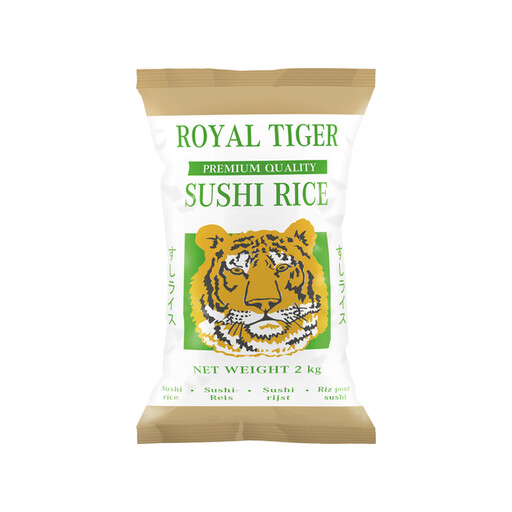
Why It Stands Out: Royal Tiger Sushi Rice is a medium-grain rice from Cambodia, known for its reliability and excellent value for money. The grains are a glossy white after cooking and provide the necessary stickiness for sushi preparation.
Benefits:
Best For: Budget-conscious home cooks and beginners looking for a reliable base rice for their first sushi attempts.
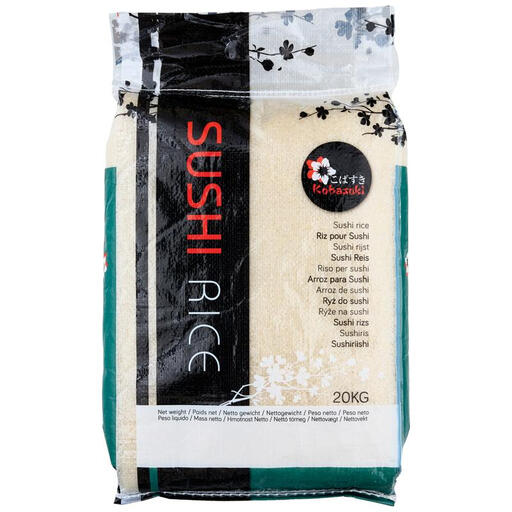
Why It Stands Out: With its 20 kg bulk package, this rice is specifically aimed at professional users and bulk consumers. It is described as a sticky rice that is distinguished by its excellent malleability, providing a solid foundation for the commercial preparation of sushi, nigiri, and maki.
Benefits:
Best For: Restaurants, sushi bars, and professional chefs who need a large quantity of reliable sushi rice for daily operations.
If these recommendations don't include the perfect product for your specific needs, there are more options to explore. Different brands offer various grain types, quality levels, and pack sizes.
? Browse our entire selection of Japanese rice to find more alternatives.
The main difference lies in the grain type and starch content. Sushi requires short-grain rice, which has a high percentage of amylopectin starch. This starch makes the grains stick together after cooking. Long-grain rice, such as basmati or jasmine, contains more amylose starch, which keeps the grains loose and fluffy, making them unsuitable for sushi.
Yes, washing the rice is a crucial step. It removes excess starch from the surface of the grains. Rinse the rice in cold water until the water runs mostly clear. This process prevents the rice from becoming too mushy and ensures a better texture and a cleaner flavour.
Not necessarily. The term sticky rice for sushi specifically refers to Japanese short-grain rice (Uruchimai). There are other types of sticky rice (e.g., Mochigome) that are used for desserts like mochi. This type of rice is extremely sticky and has a different texture that is unsuitable for sushi. Therefore, make sure to buy rice that is explicitly labelled as "sushi rice" or Japanese short-grain rice.