
Lieferung heute & morgen

Qualitätsgarantie

Willkommens-Angebote freischalten: KOSTENLOSE Lieferung | Bis zu 80 % RABATT | Kostenlose 30-Tage-JoyPlus-Testphase
App herunterladen
Deciding which tea to buy might seem simple at first. But the vast array of varieties, brands, and formats can quickly become overwhelming. From classic herbal tea to exotic Asian tea, the selection is enormous. Many consumers find that after their purchase, the product doesn't meet their expectations. This guide will help you avoid the most common pitfalls and make an informed decision.
As your Joybuy Product Recommendation Officer, I filter the relevant information for you, so you can find products that fit your needs without being swayed by marketing promises.
Before you choose your next tea, you should be aware of these three common issues that often lead to disappointment:
peppermint tea or chamomile tea with a pinch of other herbs.Tea bags, loose leaf tea, or tea concentrate? Each format has its place, but choosing the wrong one can spoil your tea experience. Someone looking for a quick tea for the office might find a concentrate too cumbersome, while a tea connoisseur could be disappointed by the limited infusion space in a standard tea bag.To ensure you find the right tea for you, you should focus on three fundamental parameters. These will help you objectively assess a product's quality and suitability.
The ingredient list is your most important tool. Look for clear and understandable information.
organic tea, identifiable by the EU organic logo (a stylised leaf made of stars on a green background), guarantees that the ingredients were grown without synthetic pesticides and fertilisers.The form of the tea should match your lifestyle.
ginger tea or Asian specialities, as it can also be used for cooking or as a spread.Each herb variety has characteristic properties. Without making any health claims, certain types of tea have become popular for specific moments of the day.
Chamomile tea and fennel tea are known for their mild, calming properties and are often enjoyed in the evening or to support well-being after a meal. Peppermint tea is prized for its refreshing taste.Yogi Tea offer complex blends based on Ayurvedic recipes, often designed for specific moods or times of day, such as a wellness tea for the evening.ginger tea (often as a concentrate) or Chinese herbal teas (e.g., with chrysanthemum or honeysuckle) offer a completely different taste experience and are an exciting alternative to European herbs.Here are some recommendations tailored to different preferences and use cases.
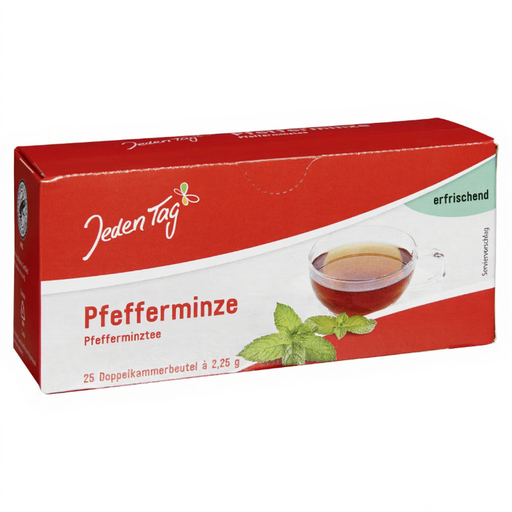
Why This Fits Their Persona: Ideal for anyone looking for an uncomplicated, refreshing, and budget-friendly tea for daily use. The practical tea bags make preparation quick and easy, perfect for a tea break at the office or at home.
This product avoids the "wellness" trap with a clear and honest declaration: it's pure peppermint tea without artificial flavourings or exaggerated promises.
Great value for money and the Rainforest Alliance certification, which supports more sustainable farming practices.
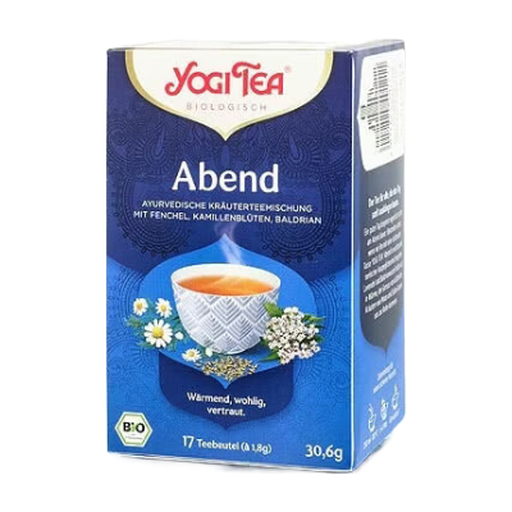
Why This Fits Their Persona: Perfect for tea drinkers who value organic quality and are looking for a special blend to wind down their day. The Ayurvedic-inspired recipe specifically appeals to consumers seeking a tea for a particular ritual.
This tea avoids the flavouring trap by using real, organically grown herbs and spices like fennel, chamomile, and lavender. The ingredient list is transparent and easy to understand.
Complex, harmonious flavour composition and its certification as an organic tea. The Yogi Tea brand is well-established in the wellness tea segment.
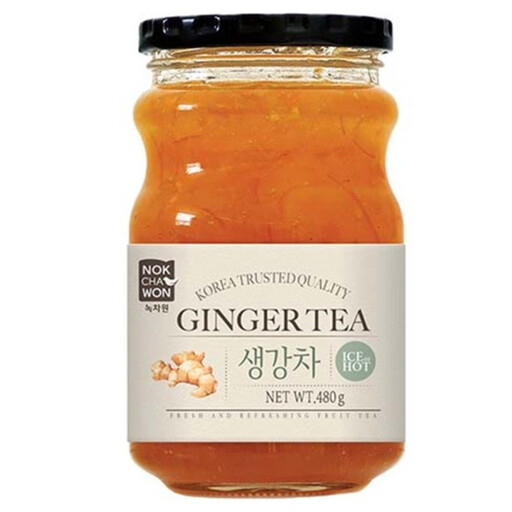
Why This Fits Their Persona: For adventurous tea drinkers looking for an authentic alternative to classic herbal teas. This Korean tea concentrate offers an intense, sweet-and-spicy flavour experience.
This product avoids the format trap because it is intentionally designed as a versatile concentrate. It is clearly declared as such and not disguised as a simple tea bag.
High versatility: Can be used as a hot or cold drink, a spread for bread, or a cooking ingredient. Contains real ginger pieces (35%) and honey.
We have compiled a complete, up-to-date list of products that meet these strict selection criteria.
Dry tea, especially in tea bags or as loose leaves, has a very long shelf life when stored correctly (cool, dry, and dark). The best-before date on the packaging indicates how long the manufacturer guarantees full flavour. Even after this date, the tea is usually still safe to drink but may lose some of its aroma. Tea concentrates should be refrigerated after opening and consumed quickly.
An organic tea must be certified according to EU regulations for organic farming. This means that no chemical-synthetic pesticides, artificial fertilisers, or genetic engineering are used in the cultivation of the herbs. Compliance with these standards is verified by independent control bodies and confirmed with the EU organic logo.
Many herbal teas like chamomile tea or peppermint tea can be safely consumed daily. For special blends, often marketed as cold relief tea or for other purposes, it's wise to check the ingredient list. Some herbs, such as liquorice root, should only be consumed in moderation if you have certain pre-existing conditions (e.g., high blood pressure). Relevant advice can usually be found on the product packaging, such as with the Yogi Tea Throat Comfort. These are food products, not medicinal products.